Published: 11 December 2025
Last updated: 12 December 2025
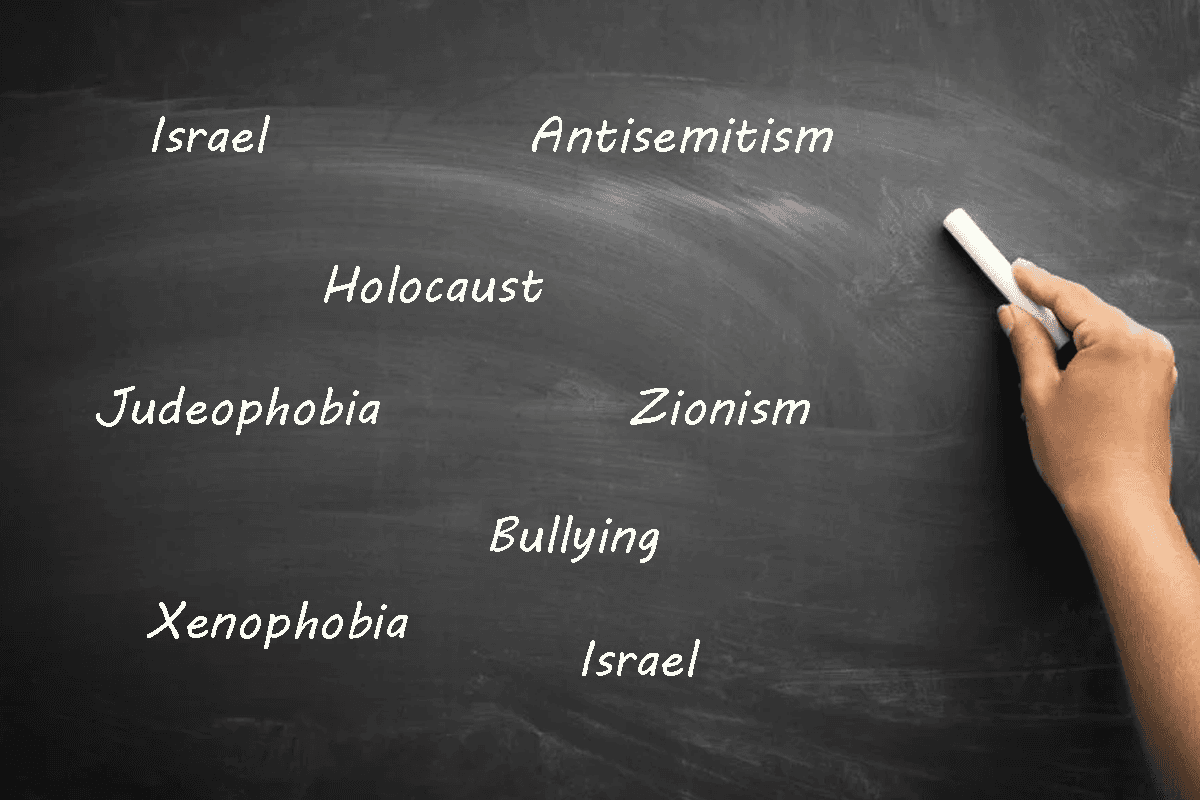
Everyone accepts that education is needed to combat the wave of antisemitism that has erupted since October 7 and the war in Gaza. But agreeing about what should be included in an education program is much more elusive.
The ASECA report by Jillian Segal stressed the centrality of the Holocaust. “A relatively consistent national approach to antisemitism education, including an understanding of the Holocaust as a major case study of where unchecked antisemitism can lead, should be adopted across all schools,” Segal wrote.
But the experience of the past two years and the results of the Crossroads25 survey on Australian attitudes to Jews and Israel have highlighted the need for a more nuanced approach than Segal’s emphasis, to address the diverse and often paradoxical factors that shape antisemitism.
These include the resistance of left-wing antisemitism to education, the long-term history of Israel’s connection to the land, and the need to train teachers better to ensure complex messages are not subverted.
Mishandled education, particularly focused on the Holocaust, can backfire. The judge in the Brighton Secondary College case found teaching a Holocaust text had led to increased antisemitism at the school. A study released this week found more than 30 antisemitic incidents in 2024 in Victorian schools.