Published: 5 August 2026
Last updated: 5 August 2026
I did not expect to lose friends for condemning a terrorist group. But that is what happened when I started to criticise Hamas.
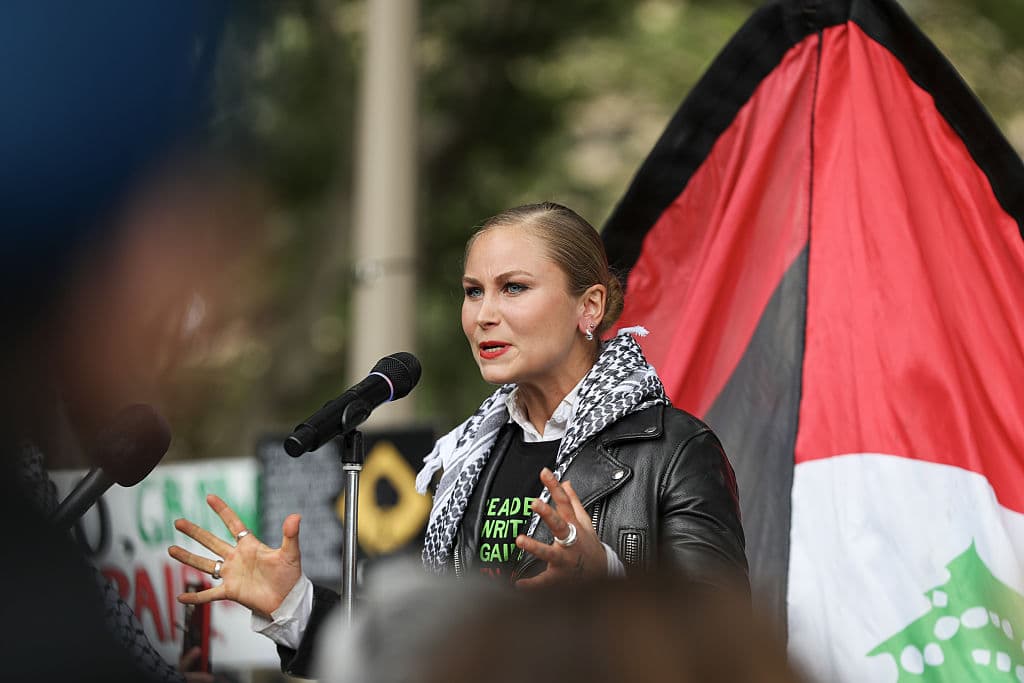
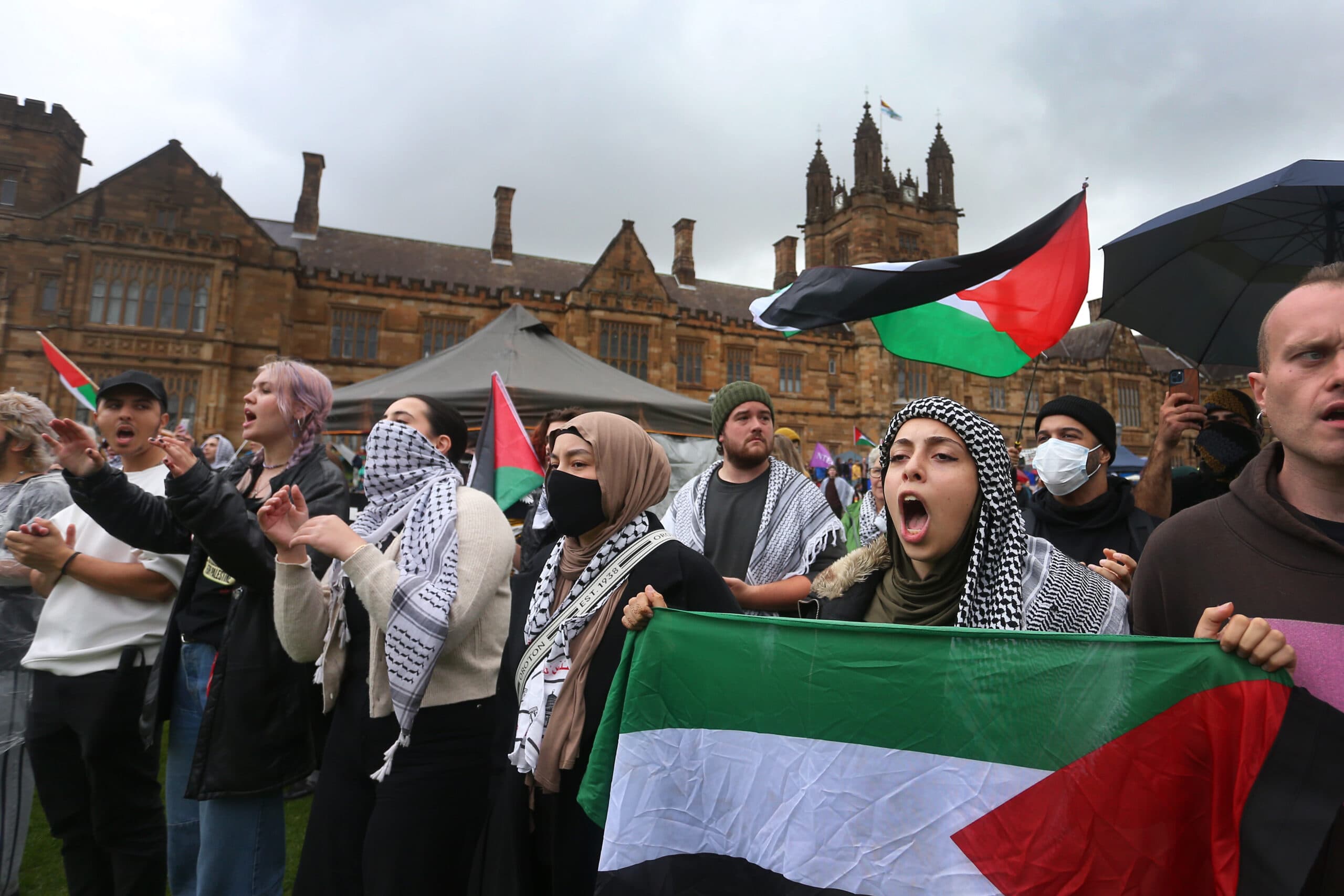
Two days after Hamas’s October 7 massacre in Israel, around 1,000 protesters gathered at a pro-Palestinian rally in Sydney, calling on the Australian government to end support for Israel.
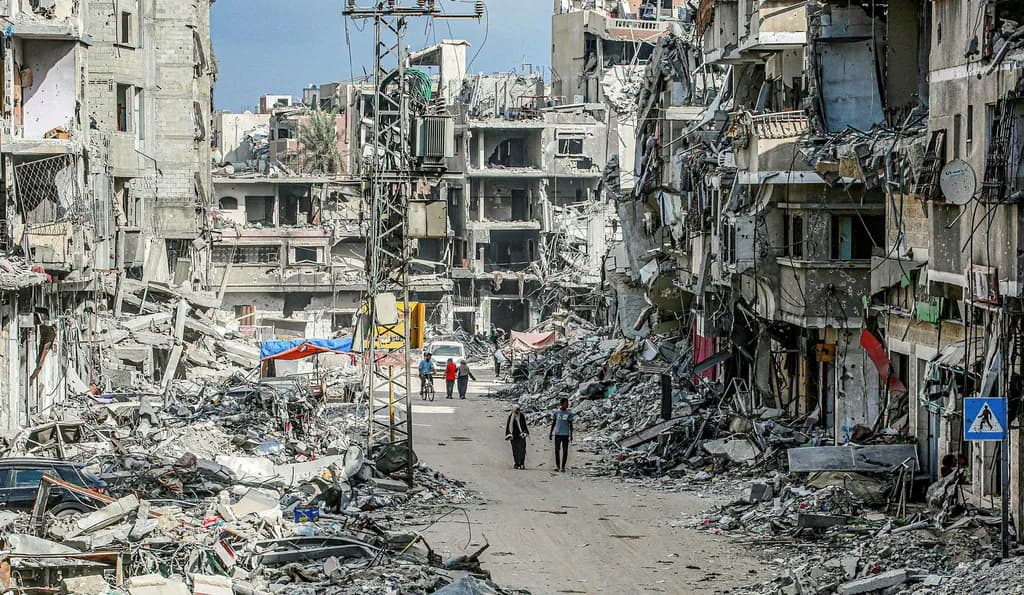
Israel responded swiftly and with overwhelming force to October 7. Night after night, television screens filled with images of airstrikes, rubble, smoke, wounded children and desperate civilians fleeing through the shattered streets of Gaza.
As the war escalated, thousands more joined marches across Australian cities. Slogans such as “Globalise the Intifada” and “From the River to the Sea” were chanted or screamed through city streets. Placards reading “Free Palestine” and “Stop the Genocide” were held aloft, some even by children. At some marches, the odd Hamas flag appeared.
Many people within my own friendship and literary circles joined the marches. One friend I’d known for years organised protests in northern New South Wales. A deeply caring doctor and writer whom I’d met at book events marched beneath banners accusing Israel of genocide.
Distressed by images from Gaza
I tried to switch off, ignore it all. It was all too complicated for me. I was deeply distressed by the images of what was happening in Gaza, as well as the hostage situation. How could I take sides?
Months later, I almost did. I attended a Zoom discussion featuring Canadian doctor and trauma expert Gabor Maté and found myself moved by his language of trauma, dispossession and historical suffering. I also read Antony Loewenstein, whose critiques of Israel, Zionism and Western power I initially found persuasive.