Published: 15 July 2025
Last updated: 15 July 2025
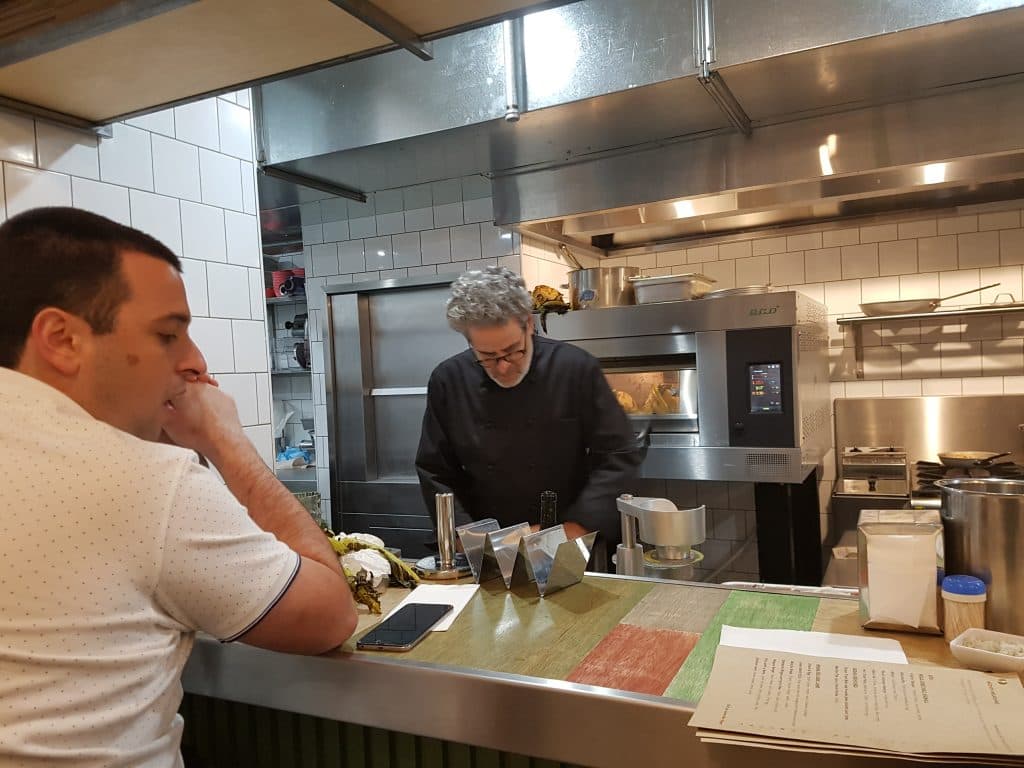
Back in June 2017, I got a phone call from Ron Lazarovits, the owner of the Miznon restaurant group. He invited me to interview Eyal Shani, the Israeli master chef, ahead of Miznon’s opening in Melbourne. At the time, I was the editor of Eton – Australia's Israeli newspaper – and I was thrilled.
Our conversation was everything you'd expect from two passionate Israelis — full of energy, ideas, and a shared love of food. I remember Eyal raving about long beans he’d just discovered at the Queen Victoria Market. He was absolutely fascinated by them. (Next time you’re at Miznon, grab the bag of greens.)
For us Israelis, food is never just about filling your stomach. It’s about connection. It brings comfort, evokes memories, ties generations together. We can spend entire evenings just debating hummus recipes — and love every minute of it.
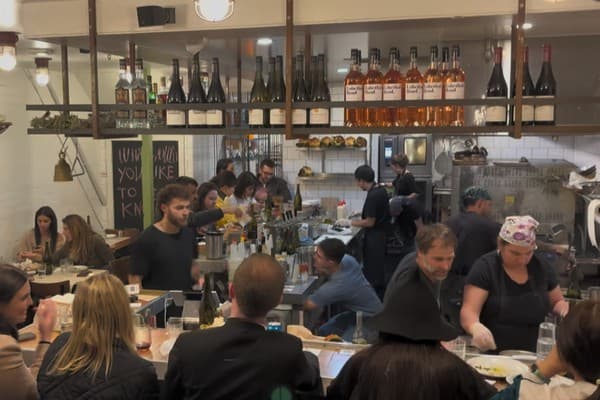
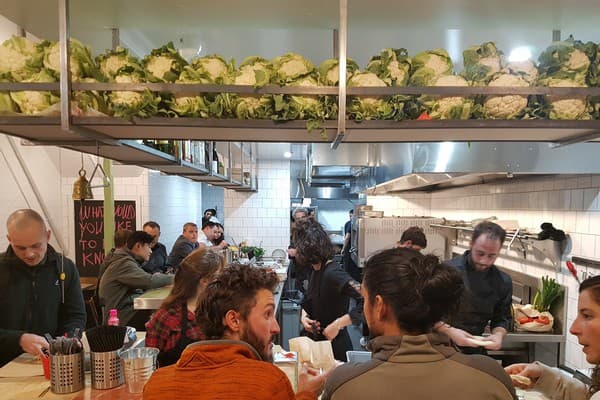
That night at Miznon’s launch, I felt proud. Proud to see Israeli cuisine land on the streets of Melbourne's CBD — far from the shtetl, yet deeply rooted in our culture. Watching people from all backgrounds line up to taste our food was powerful.
Yes, feeding our own is beautiful. But seeing people from around the world embrace our flavours? That’s something else. It was delicious, fresh, bold — just like Israelis. I felt like we’d made history.
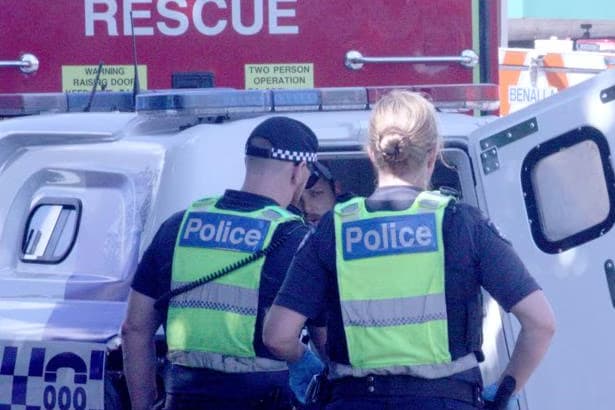
Fast forward to 2025, and the streets of Melbourne feel different. Antisemitism isn’t just a word anymore — it’s a shadow many of us live with. But for me, my relationship with antisemitism took a different path.
After October 7, I made a conscious decision not to share antisemitic incidents on my Facebook. Not because they didn’t matter, but because I didn’t want to give hate more oxygen. I felt that by constantly highlighting the darkness, I was helping it grow.