Published: 3 March 2025
Last updated: 4 March 2025
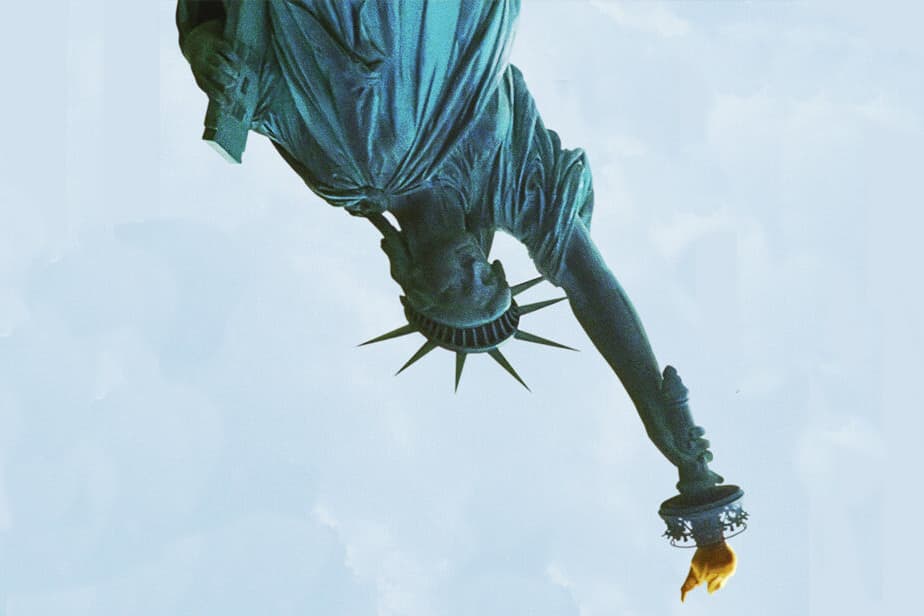
Holocaust movies are frequent flyers at the Academy Awards. This year The Brutalist, a film about a survivor's encounter with the American dream, was nominated for 10 Oscars and won Best Actor (Adrian Brody) and Best Cinematography.
The Brutalist is an epic account of the tragic travails of a fictional Hungarian Bauhaus architect, Laszlo Toth, who seeks refuge in America after his internment in the camps. The first half of the film seems to follow the familiar Hollywood trope of a (Jewish) immigrant desperately struggling to achieve the American Dream. The second half extends the mainstay capture/camp/escape stories of the Holocaust genre by showing the impact of such trauma not just on survivors but on their artistic vision and legacy.
Making a Holocaust-themed movie is a fraught endeavour. There are hidden rules governing filmic representations of the Shoah which surface the moment a filmmaker transgresses.
According to American Holocaust scholar, Terence Des Pres, the Shoah should be depicted as:
1. a unique event, a special case.
2. accurate, faithful to the facts and conditions of the event, without change or manipulation for any reason, including artistic licence.
3. a solemn, even sacred, event without obscuring its enormity or dishonouring its dead.
These criteria underscore what might be called the “Holocaust Veritas” approach - its apotheosis was Steven Spielberg’s, ‘Schindler’s List’. The Holocaust Veritas school objects to films about the Shoah, like Roberto Benigni’s Oscar winning tragi-comedy, Life is Beautiful.
My colleague Heinz Steinert and I discerned two additional criteria for acceptable representations of the Shoah:




Comments
No comments on this article yet. Be the first to add your thoughts.