Published: 12 March 2026
Last updated: 12 March 2026
Growing up in Brisbane’s tiny Jewish community, it sometimes felt like we were invisible. Most Australian Jews didn’t even know we existed, let alone other Queenslanders. For most of my non-Jewish friends, peers and co-workers, I was the first Jew they had ever met. And for a long time, that invisibility felt somewhat like security.
While antisemitism intensified in Sydney and Melbourne, I still felt relatively safe in Queensland, holding faith that our much less-visible community made us less of a target.
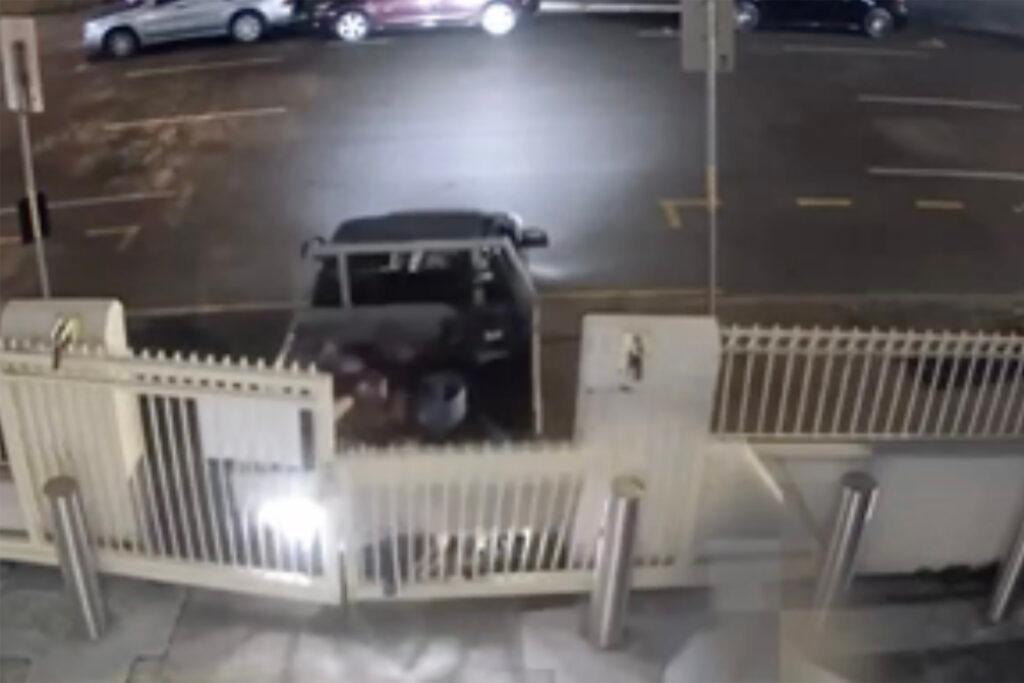
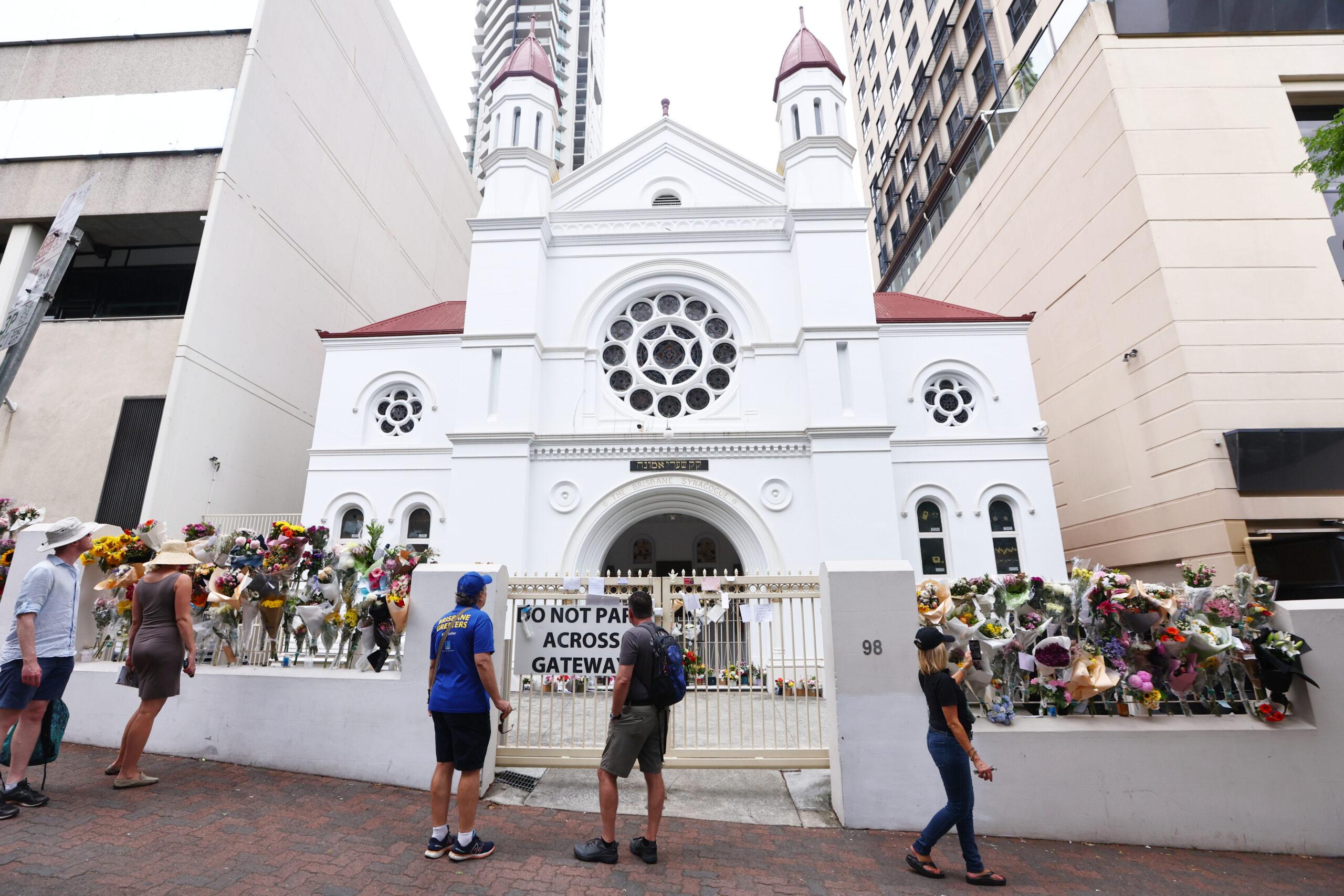
However, that all changed when Brisbane’s Margaret street synagogue was rammed on Friday 20 February. Horror and fear spread through our community. The attack felt like a clear message, we aren’t safe in Brisbane. This hate I naively thought could be contained, the hate I thought could never resurface after Bondi – this hate knows no boundaries.
Yet the Brisbane Jewish community quickly fell out of both mainstream and Australian Jewish media. After a few press conferences, the news cycle moved on, and like usual – antisemitism quickly faded from national attention. But for every time the Australian media moves on from antisemitism, smaller Jewish communities like mine suffer more.
My community, like many others, rely on volunteer security from community members who have been left with no other choice. But the Brisbane community doesn’t have the resources that Sydney or Melbourne do; we don’t have enough funding or people to support full-time security. While thankfully, no one was hurt, this incident shows just how vulnerable smaller Jewish communities are.