Published: 18 July 2024
Last updated: 18 July 2024
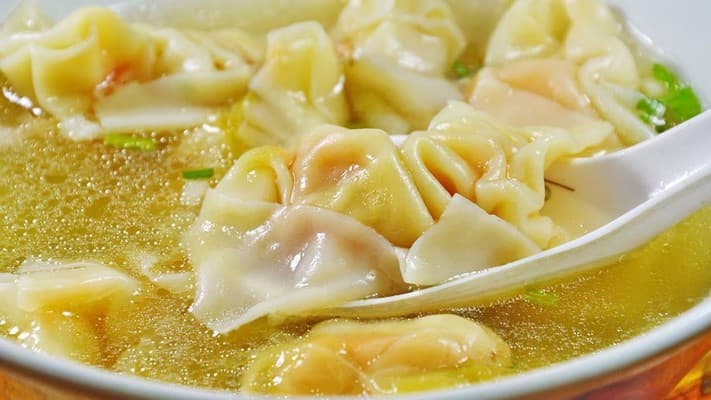
The other day I made kreplach. I needed to make kreplach. A huge pot of chicken soup had been simmering for a couple of hours and kreplach were calling. Jewish ravioli. Meaty soup dumplings. Small doughy parcels of salty, fork tender, shredded beef top rib. Time to reach back into my past, to soothe my soul, to still my frantic heart. There is something about food, about certain dishes, that connects us to our heritage, to our community, to life. Connects us to a peaceful time.
It was 1964. Melbourne, Australia. I was born into a world of fried onions and schmaltz. My Buba Sheindel had set the scene long before my arrival, in the 1920s, in Brest Litovsk, Poland. She passed away when I was four, so the scene I have in my head is the one often described to me by my late father.
I have definitely turned what I’m sure was a challenging and unromantic life into a sort of balaboosta fantasy. In my mind, Sheindel spent her days cooking for, and feeding, her family, and did so with absolute joy.
She baked the most delectable golden, shiny challahs on Friday and irresistible platzalleh - bread topped with fried onions - on Sunday. Sheindel visited the shochet to choose her chicken for the Shabbat meal and carried it home to then pluck and clean. She roasted the chicken, keeping the fat and some skin to later fry with onions into gribenes, that mouth-watering sweet, fatty shmear.
Her stone cellar was a treasure trove; vats of cucumbers at different stages of pickling alongside jars of pickled cabbage and salted herrings, stewed apples and preserved tomatoes, jams and preserved fruits. And Sheindel rolled the thinnest pastry for the most perfect apple strudel without a cookbook in sight.
My father’s never-ending stories, told with an unexpected (food-related, for him) enthusiasm, ensured that I dreamt of her cholent, fried fish and cabbage rolls, the likes of which I will never taste, and of her butter cakes, rolled biscuits and cheesecakes that I can only imagine.