Published: 11 April 2023
Last updated: 12 May 2025
These days not many people ask what our lives might look like today had the Oslo Accords led to genuine peace between Israelis and Palestinians.
But it’s something I often ask myself as education director of Kids4Peace Jerusalem, an interfaith youth movement that brings Israeli and Palestinian kids together. A project of Seeds of Peace, we meet bi-weekly after school for fun, informal activities learning about one another’s cultures and narratives.
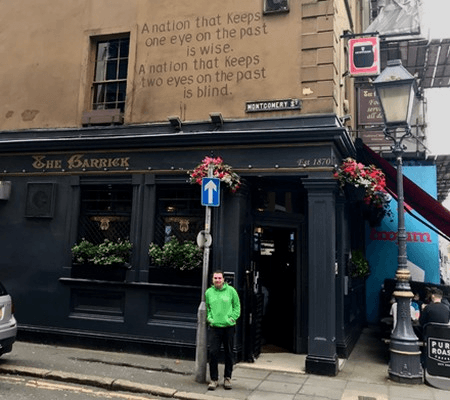
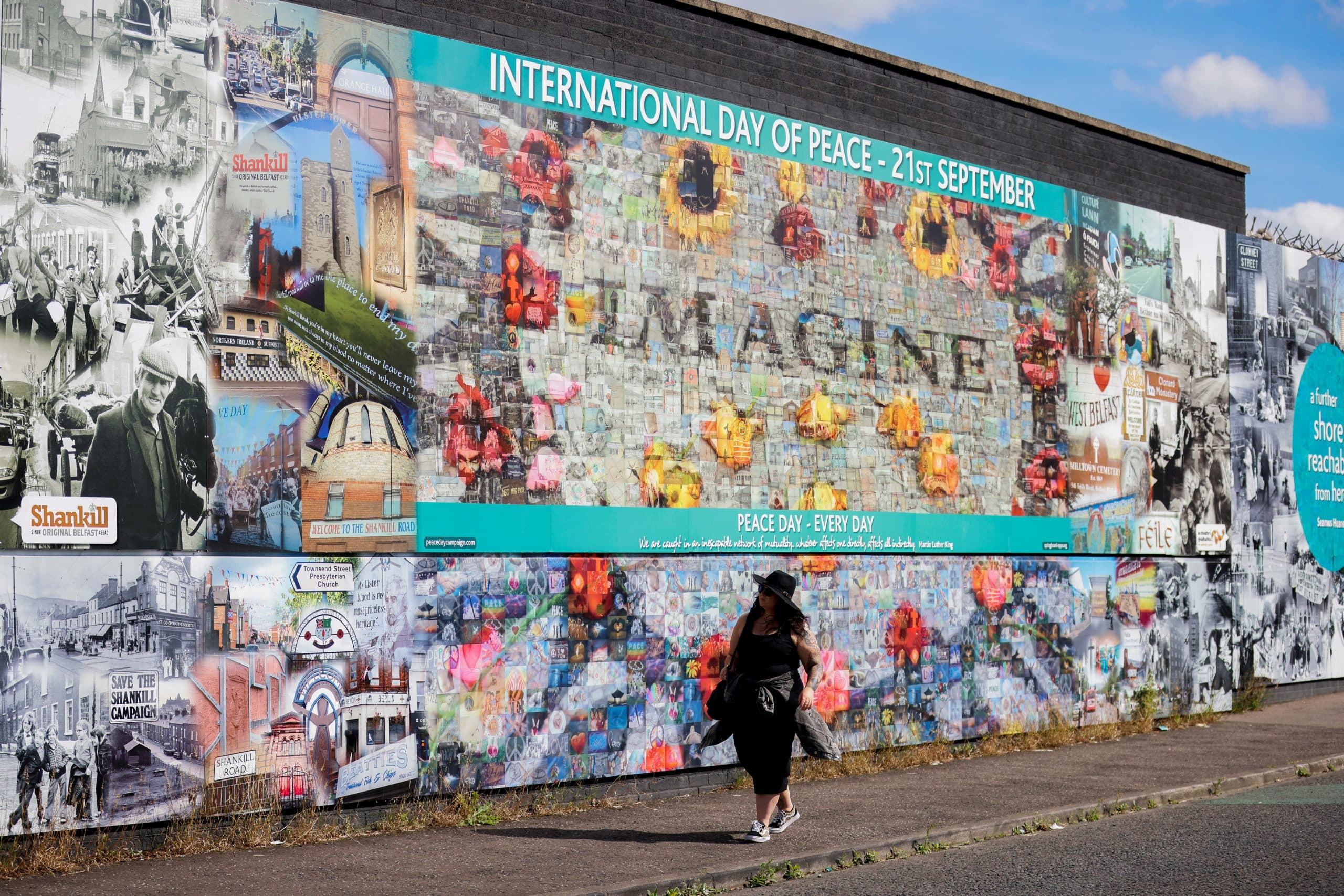
In 2019, I accompanied a group of 12 teenagers from the group to Belfast, Northern Ireland for an encounter program to explore why the peace agreement facilitated by Bill Clinton and George Mitchell took hold there much more effectively than the one facilitated in Oslo 30 years ago. Our goal was to see what we could learn from peoples plagued by sectarian hatred in their city – a legacy of violence dating to the Norman Invasion of 1169.
This week marks 25 years since the signing of the historic Good Friday Agreement which largely ended that violence. US President Joe Biden, King Charles III, and a parade of other world leaders, past and present, are travelling to Belfast to mark the milestone.
The peace deal between the British and Irish governments aimed to end “The Troubles”, a rather understated word for the horrific violence between 1968 and 1998. In 1972, the year that included Bloody Sunday and Bloody Friday, there was a terrorist incident every 40 minutes on average in Belfast. The city was surrounded by a ring of steel and high walls separated Catholics and Protestants.