Published: 3 April 2024
Last updated: 2 April 2024
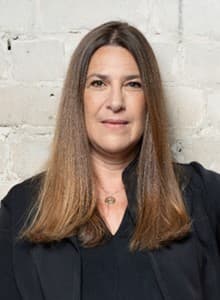
Even before Israel had negotiated for the release of any hostages held by Hamas in Gaza, Dr Efrat Baron-Harlev was preparing to receive them.
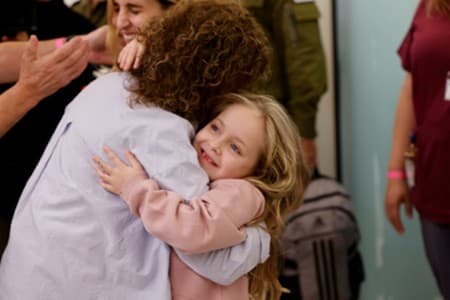
As director of the Schneider Children's Medical Centre in Petah Tikvah, she established a facility dedicated to receiving mothers and children traumatised by their time in captivity.
Baron-Harlev was recently awarded a Medal of Distinction from the Peres Centre for Peace for her remarkable work with the released hostages, which required developing methods and models that did not exist in professional literature.
When we meet in her hospital office, she is wearing a yellow ribbon, the symbol of solidarity with the hostages and demand for their release. She says she cannot stop thinking about the remaining Israeli captives in Gaza.
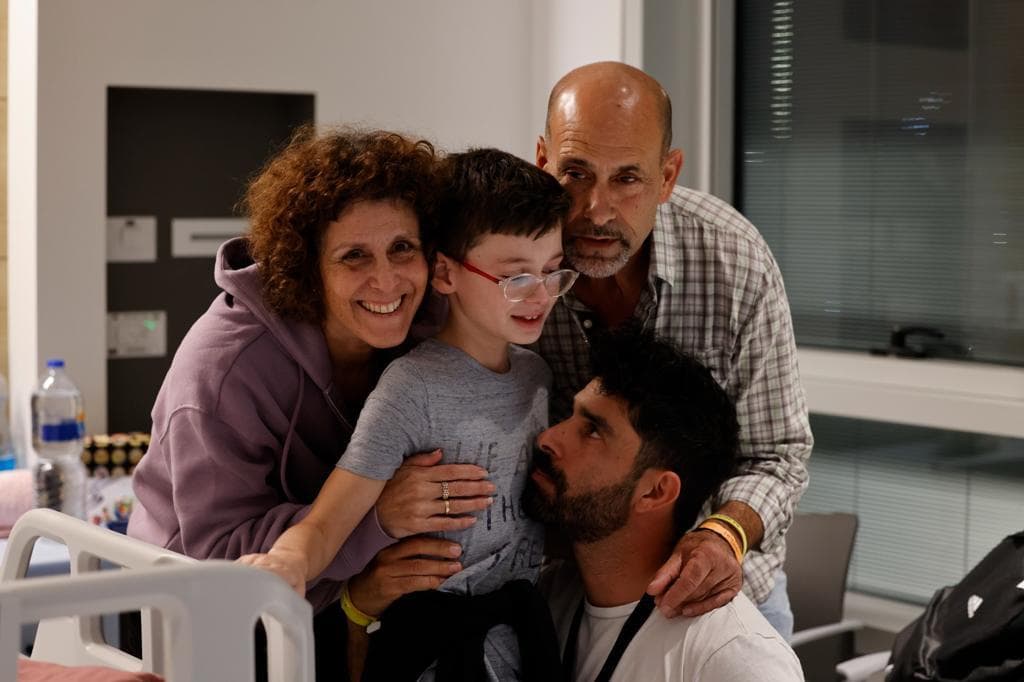
She knows from her contact with the returned hostages how traumatising the experience of captivity can be. She is the first contact point for 26 returned hostages: 19 children, six mothers and a grandmother.
With the Health Ministry, Baron-Harlev developed protocols for welcoming back the hostages. They decided children should not be separated from their mothers and set up a separate specially designed section of the Children’s Medical Centre to provide privacy for the returned families. All medical evaluations were also away from other patients with a dedicated staff.
“We had no idea what to expect so we had to plan for everything,” said Baron-Harlev.
Staff were instructed not to touch hostages before asking permission, and to be sensitive to specific sounds and lights, assuming the hostages that been held underground for seven weeks.