Published: 25 June 2021
Last updated: 4 March 2024
Even occupation critic Peter Beinart thought a Philadelphia food festival had been antisemitic when it uninvited an Israeli food truck; the organisers have now apologised
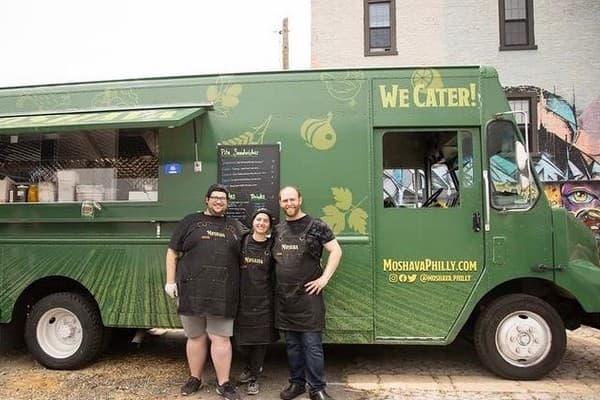
ANTISEMITISM OR A legitimate act of protest? The removal of a food truck selling “Israeli-inspired cuisine” from a local Philadelphia festival has reawakened a fierce debate among the American left when it comes to distinguishing between the two.
Even the most pointed critics of Israeli policy took issue when Eat Up the Borders, an organisation whose stated mission is to “help promote small, family, or immigrant owned businesses,” announced that Moshava Philly – a local food truck founded by Israeli-born chef Nir Sheynfeld – would no longer be included in last Sunday’s Taste of Home festival, which celebrates “diversity through food.”
Following the controversy, the entire festival was cancelled.
Rabbi Jill Jacobs, executive director of T’ruah: The Rabbinic Call for Human Rights, tweeted, “For those wondering where the line is between criticising Israel & antisemitism, this is an example that definitely steps over the line – discriminating against Israeli American Jews.” She added that “there's a difference between boycotting a country & boycotting individuals based on national origin.”
Peter Beinart, an author and journalist for Jewish Currents, tweeted that he “100%” concurred with Jacobs. “Whatever your politics on Israel-Palestine, discriminating against a food truck owner because he's an American of Israeli descent is anti-Semitism, pure and simple,” he wrote.
The backlash against the two high-profile leftists from fellow activists on the left came fast and furious on social media, defending the decision to remove the truck on the grounds that the truck represented Israeli “appropriation” of Palestinian cuisine.