Published: 19 December 2017
Last updated: 4 May 2026
One positive outcome already achieved by the RC's work is how it has transformed the term “moser” or whistle-blower from an epithet to a term of praise and applause. Where it once held overtones of condemnation, attracting to the bearer opprobrium, retribution, shunning and alienation, the RC has instead repeatedly praised these former pariahs and acknowledged their courage in telling their stories.
It has also thanked them for the assistance they provided the Commissioners by helping them understand the dimensions of what they were inquiring into.
The Commission has labelled them heroes and at the same time, by exposing those leaders who contributed to their mistreatment and rejection, either actively or by not stopping it, it has redirected public opprobrium upon them for their unethical behaviour and failures of leadership. Tzedek applauds these whistle-blowers and this well-deserved elevation of their status.
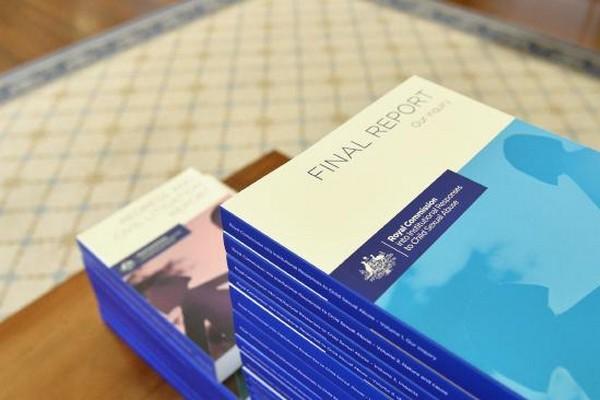
Tzedek supports the public statement of the Executive Council of Australian Jewry (ECAJ) on this matter, especially its stance that we must take notice of the Commissioners' 189 recommendations, to which the Jewish community must now demonstrate its commitment. But on this latter point, we cannot yet be fully confident of success. We have misgivings about the community's commitment to change.
Our roof bodies must compel institutions to implement redress schemes. One way of achieving this is to promote ethical philanthropy, linking donorship and funding with institutions' compliance
What has our leadership done to drive change? Peak bodies have encouraged the development of child protection policies and in the past they have offered training programs to assist Jewish organisations to implement those policies. But Tzedek, in its advocacy role, expects more from these peak bodies.
The RC identified ECAJ as the national peak body for the Jewish community in Australia and Tzedek welcomes the ECAJ's adoption on November 26 of a policy on child sexual abuse (See policy here)
In summary, its policy recognises the wrongs of the past, the failures to report, leaders acting unlawfully and unethically and in breach of the halachic requirement to abide by the law of the land and that mesirah has no relevance in relation to such crimes in this country, all of which has exacerbated the suffering of victims and has brought shame to our community.
The policy further says that it is obligatory, both halachically and as a point of rabbinical and lay leadership policy, to report directly to the state authorities on such matters and to fully cooperate with them.
In light of the RC's Final Report, ECAJ must build on this policy and on the work of the Jewish Community Council of Victoria (JCCV) and NSW Board of Deputies.
Tzedek urges ECAJ to establish a national code of child safety standards, a national training package for Jewish professionals and lay leaders and a system to monitor Jewish organisations’ compliance with the code. We suggest that this include a public national register rating this compliance to ensure transparency in this process.
To drive change in this area, leadership must hold institutions accountable. Our roof bodies must compel institutions to implement redress schemes. One way of achieving all this is to promote ethical philanthropy linking donorship and funding with institutions' compliance with child safety standards.
Tzedek has already developed a national prevention strategy, and it calls on the ECAJ and other Jewish communal organisations and Jewish philanthropists to support and endorse it. Tzedek has created evidence-based, culturally-specific education programs for schools, synagogues, youth movements and other Jewish organisations. The programs promote protective behaviours programs for leadership, parents, teachers and children.
Tzedek also welcomes the Final Report's recommendations on information sharing across sectors for the purpose of managing those who pose a risk, especially when heightened by their mobility. The Jewish leadership must engage in discussions with government to develop administrative procedures by which the community may manage the many complexities in connection with information sharing.
Survivors need to see change. Despite the elevation of their status from pariahs to heroes, there are still pockets of resistance to cultural change where old attitudes prevail. Many survivors still feel despondent about leadership inertia and still await full and meaningful apologies for past wrongs, both old and recent.
Others still experience rejection from their communities. We can make excuses and look away or, as a community we can all rise up and say, "enough!" The government has done its part and now the Jewish community needs to step up and take the reins.