Aa
  • Read, Watch, Listen
  • TJI Series
  • Community Action
  • Events
  • Zedi
Follow us and continue the conversation
  • LinkedIn
  • Instagram
  • FaceBook
  • X
  • YouTube
Test yourself with the TJI Quiz!

Adjust size of text

Aa

Follow us and continue the conversation

  • LinkedIn
  • Instagram
  • FaceBook
  • X
  • YouTube

Your saved articles

You haven't saved any articles

What are you looking for?

Original reporting, insightful analysis and diverse views, delivered straight to your inbox

  • LinkedIn
  • Instagram
  • FaceBook
  • X
  • YouTube
Your support fuels our mission to inform, entertain and inspire.

The Jewish Independent is bound by the Standards of Practice of the Australian Press Council. If you believe the Standards may have been breached, you may approach The Jewish Independent or make a complaint to the Australian Press Council in writing at www.presscouncil.org.au. The Council may also be contacted on 1800 025 712.

  • Our Story
  • Contact us
  • Our Team
  • Support us
  • Guidelines
  • Pitch your idea
  • Republishing us
  • Community Action
  • Our Awards
  • LinkedIn
  • Instagram
  • FaceBook
  • X
  • YouTube
Aboriginal FlagTorres Strait Islanders Flag

The Jewish Independent acknowledges Aboriginal and Torres Strait Islander peoples as the Traditional Owners and Custodians of Country throughout Australia. We pay our respects to Elders past and present, and strive to honour their rich history of storytelling in our work and mission.

© The Jewish Independent 2026All Rights Reserved
Website design and development by Your Creative, MelbourneTerms & ConditionsPrivacy Policy
HomeRead, Watch, ListenIsrael
ExplainerIsrael

Australia’s latest sanctions raise the stakes, but stay on track

For the first time, Australia has moved beyond targeting individuals and organisations to sanction an Israeli company
Deborah Stone
Print this
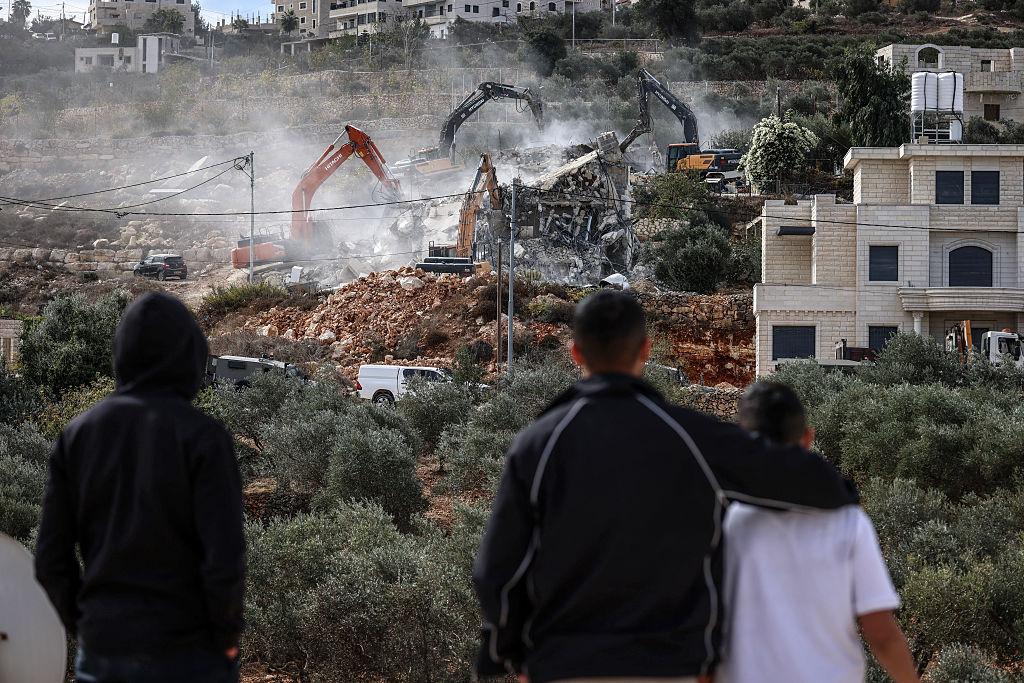
bulldozer construction settlements west bank

Palestinians watch as heavy machinery levels a house in the village of Biddu on November 5, 2026 (Zain JAAFAR / AFP via Getty Images)

Published: 18 November 2026

Last updated: 18 November 2026

New sanctions imposed by Australia and the UK on West Bank settlement expansion differ from those that have been imposed previously in one significant detail.

For the first time, Australia has sanctioned a private Israeli company Eyal Judaean Mountains Pty Ltd, a demolition and construction company involved in building Jewish settlements in the West Bank.

The move is one of seven new sanctions, imposed in concert with similar moves by the UK. Australia has also sanctioned three settler organisations: Hashomer Yosh, the Nachala Movement, and the Amana the Settlement Movement of Gush Emunim; and three individuals.

One of the new individuals is a politician, the firebrand former mayor of Kedumim settlement Daniella Weiss, but the other two are primarily construction operators: Itamar Yehuda Levi and Eliav Libi.

The decision to target a private construction company makes a symbolic difference – but the company has been chosen carefully. There is a clear overlap between the commercial and political activities of these operators.

Eyal was previously owned by Yinon Levi, an extremist settler who established the Meitarim Farm outpost. Unlike settlements, which are supported by the Israeli government though illegal under international law, outposts are illegal under Israeli law.

Yinon Levi is accused of shooting Palestinian Odeh Hadalin and injuring another Palestinian while bulldozing the Palestinian village of Umm al-Kheir in the South Hebron Hills.

Both Yinon Levi and Meitarim are already sanctioned by several countries, including Australia. The Times of Israel reported that in 2024 Yinon Levi allegedly transferred ownership of the Eyal Hari Yehuda company to Itamar, in order to circumvent sanctions, so a move to include both the company and Itamar in sanctions can be seen as simply closing a loophole.
The UK citation against Eyal Hari cites the company for destroying Palestinian land and property and says company resources have been used to “physically attack, shoot and kill Palestinians”. It notes that the work done by Eyal to establish new settlements has led to the wider forced displacement of Palestinians.

Libi is also a construction company owner involved in the building of new settlements, but the company Libi Construction has not been named.

Political positioning

Under the Netanyahu government, settlement expansion increased notably through the E1 project East of Jerusalem, which enabled 1,200 new housing units.

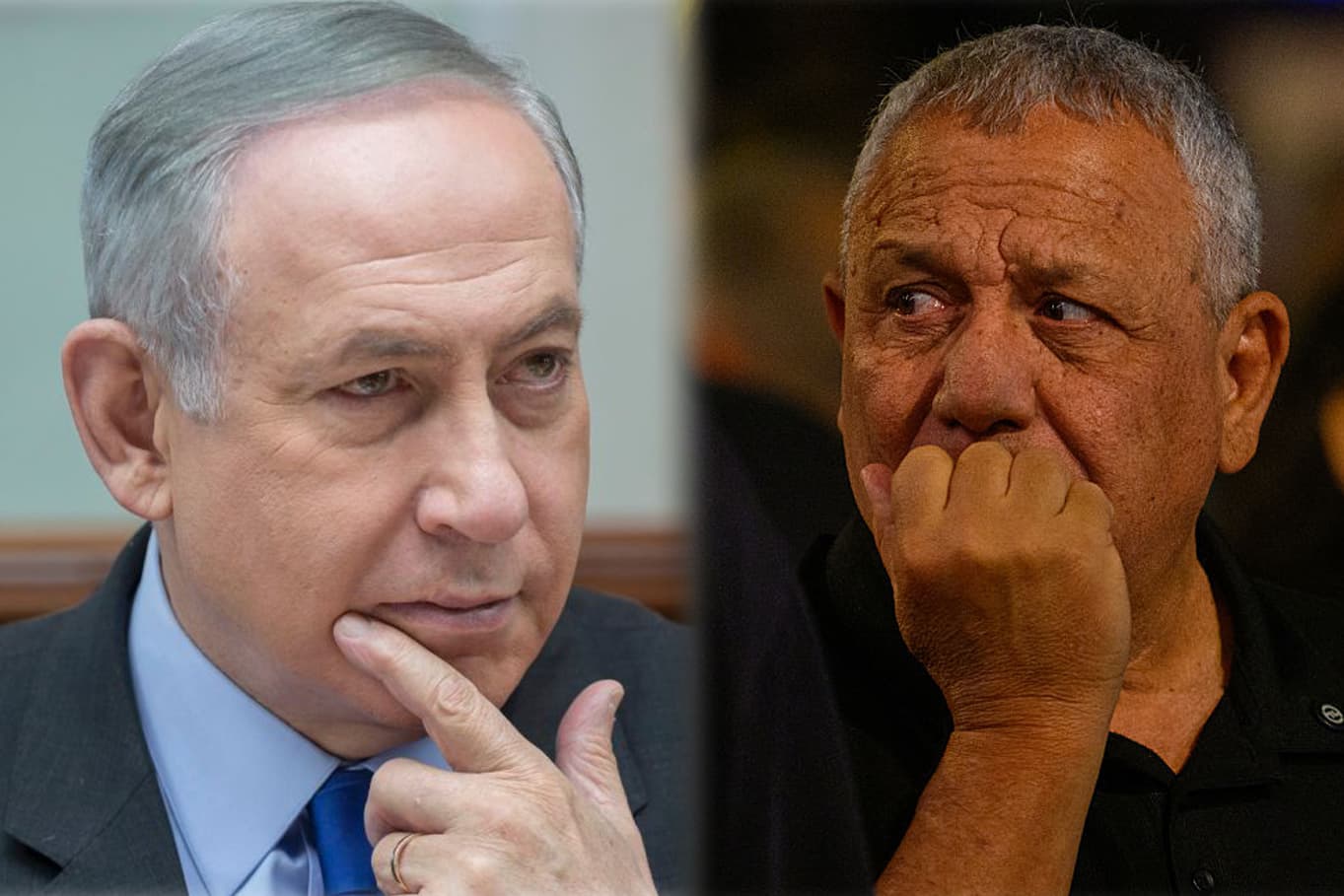
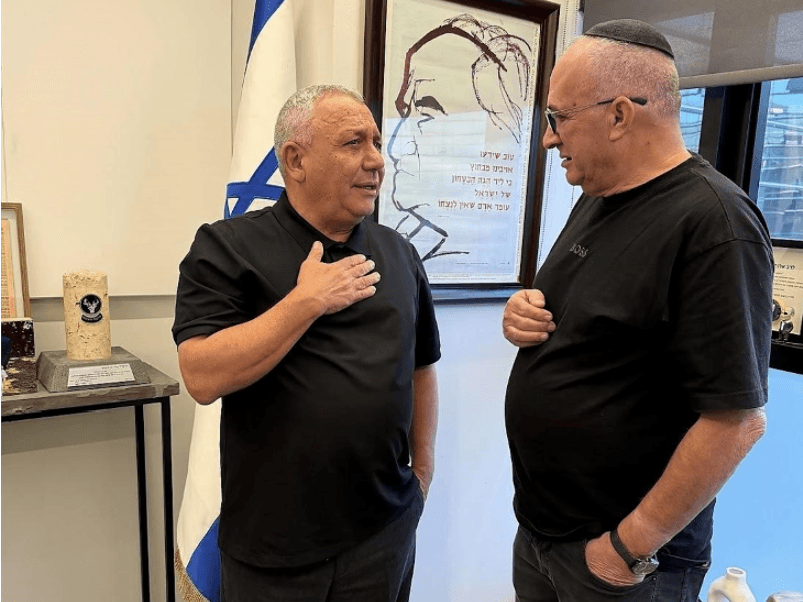
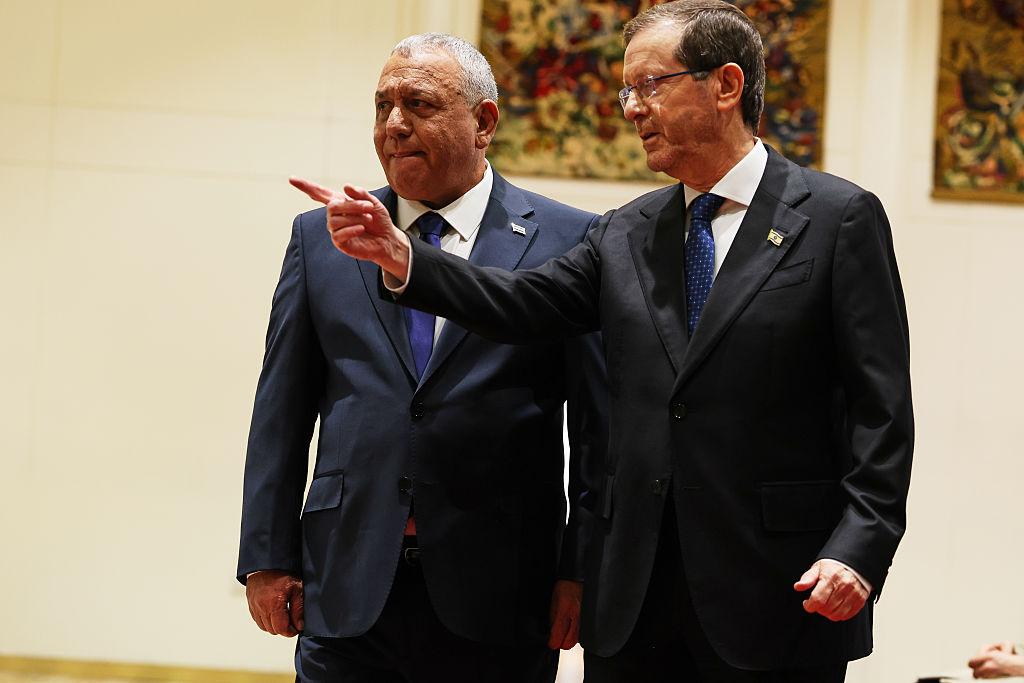
Gadi Eisenkot, who is currently working to form the new Israeli government, has promised to clamp down on settler violence but shows no sign of stopping settlement expansion.

In June, he told an interviewer, “I very much believe in settlement in Judea and Samaria,” using the biblical term for the West Bank. But Eisenkot is a pragmatist, telling the same interviewer that settlement “should be in accordance with the national interests of the State of Israel, and in accordance with the law.”

Sanctions are international governments’ way of telling Israel that expanded settlements are not in anyone’s interests.

This week’s move follows Foreign Minister Penny Wong's announcement in September that Australia would be extending sanctions to deter illegal settlements and settler violence against Palestinians in the West Bank.

“We support a Palestinian state. We do that because that is the only pathway to peace,” she said, reiterating a policy which has long been the official position of both Labor and the Liberal Party.

In September, Wong declined to follow the UK in introducing product bans on West Bank goods.

Israeli Foreign Minister Gideon Sa’ar responded furiously to the sanctions, especially the decision to extend them to a construction company.

“This is a hostile act targeting private, law-abiding companies,” he said, adding that Israel would “not bow to external pressure”.

The latest sanctions build on sanctions already in place on several individuals, including Itamar Ben-Gvir and Bezalel Smotrich, both ministers under Benjamin Netanyahu, and on settlements and settlement organisations.

You might also like
  • Could the West be regained by an Eisenkot coalition?
    Dean Sherr
  • Unlikely bedfellows: How Arab parties could deliver Israel’s next government
    Ben Lynfield
  • Haredi party may change sides, enabling Eisenkot to form new government
    Shahar Burla
logomark.67a07ee3
We believe in the free flow of information

Republish our articles for free, online or in print, by using our Creative Commons licence

You might also like

    Eisenkot protester
    Israel Votes 2026OpinionIsrael

    A moment of unity as rare as a minyan in Brisbane

    Rapha Manajem
    Eisenkot Herzog
    Israel Votes 2026NewsIsrael

    Diaspora Jews urge Israel’s change bloc to form a Jewish–Arab coalition

    Sharon Offenberger 2
    Netanyahu Eisenkot dubious
    Israel Votes 2026ExplainerIsrael

    Israel’s election fails to deliver a clear path to a government

    Shahar Burla 4

About the author

Deborah Stone

Deborah Stone

Deborah Stone is Editor-in-Chief of TJI. She has more than 30 years experience as a journalist and editor, including as a reporter and feature writer on The Age and The Sunday Age, as Editor of the Australian Jewish News and as Editor of ArtsHub.

More from the author

ExplainerIsrael

Your Israel election cheat sheet

NewsAustralia

Alleged Helen Haines attacker wrote anti-Israel, pro-Iran posts

NewsWorld

Traditional antisemitic myths dominate online antisemitism: new study

NewsAustralia

Sydney Uni commissions independent review after ‘Globalise the Intifada’ campaign