Published: 28 October 2026
Last updated: 28 October 2026
Israel’s election has delivered a messy result with no straightforward route to government. Benjamin Netanyahu’s bloc appears unable to secure a majority, but neither can his opponents govern alone. It is far too early to interpret this result as the end of the Netanyahu era.
Three conclusions stand out. Netanyahu has lost ground without necessarily losing power. Arab voters have changed the parliamentary arithmetic. And another election in early 2027 looks the most likely outcome, potentially extending Netanyahu’s premiership and Israel’s political uncertainty.
For the Change bloc, the immediate challenge is therefore to form a temporary minority government. Waiting for a more comfortable majority at another election could leave it in a weaker position.
What do the results tell us?
The updated exit polls point to a substantial setback for the governing coalition. Yet a rejection of the government does not automatically produce an alternative. The exit polls put Netanyahu’s bloc at around 52 seats and the Jewish parties of the Change bloc at around 50, leaving both short of the 61 needed for a Knesset majority. Ra’am and the Joint List are projected to hold 17-18 seats between them, giving the Arab parties a pivotal role. Likud remains the largest individual party, with around 27 seats, followed by Eisenkot’s Yashar on 21-23.
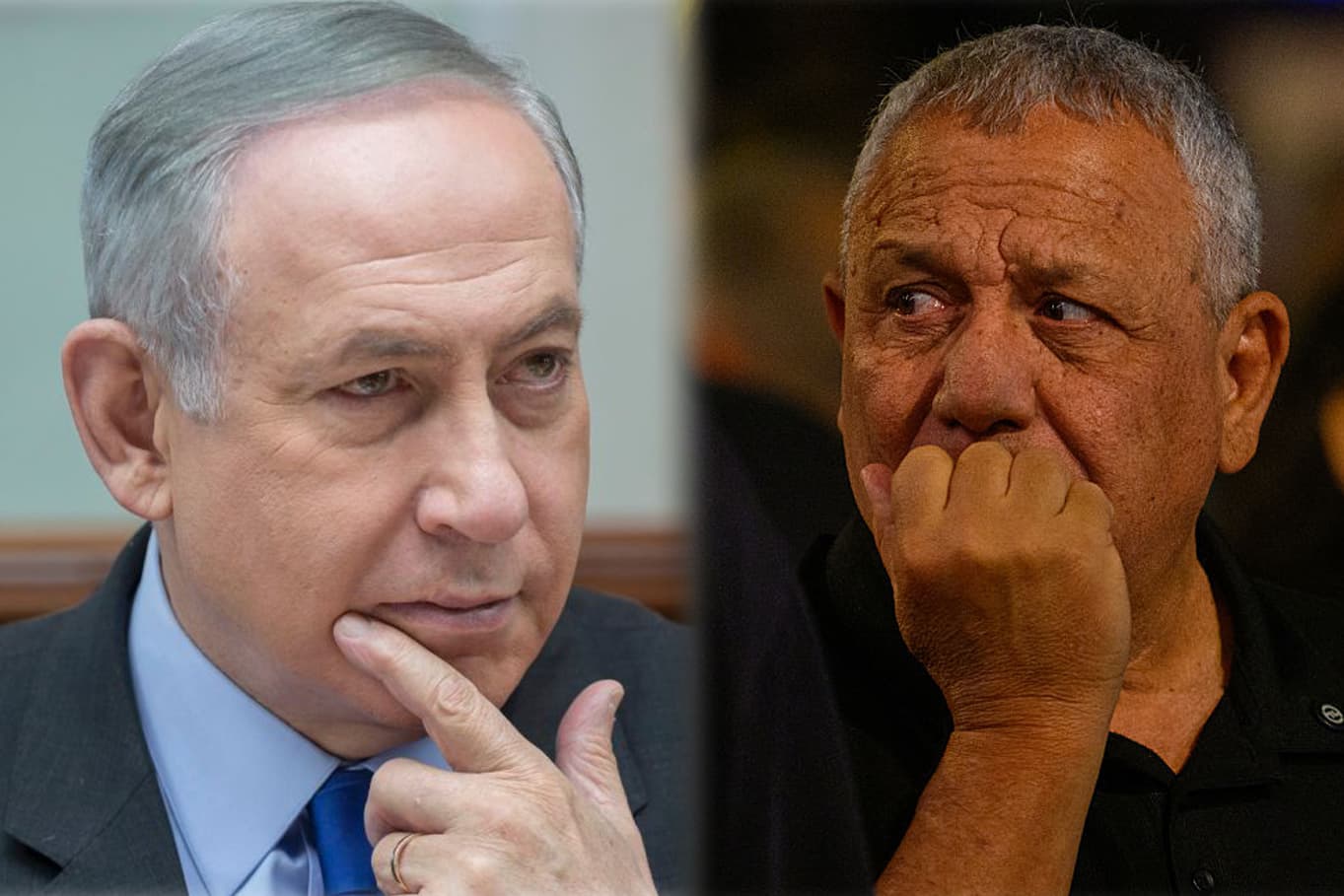
Gadi Eisenkot, leader of the Yashar party and the opposition’s leading candidate for prime minister, can reasonably claim that voters have rejected Netanyahu’s government. Claiming a mandate to replace it is more complicated. The Change bloc contains parties with substantial ideological differences, united principally by their opposition to Netanyahu. Its ability to govern depends on resolving a question several of its leaders have preferred to avoid: will they accept support from Arab parties?