Published: 15 October 2026
Last updated: 15 October 2026
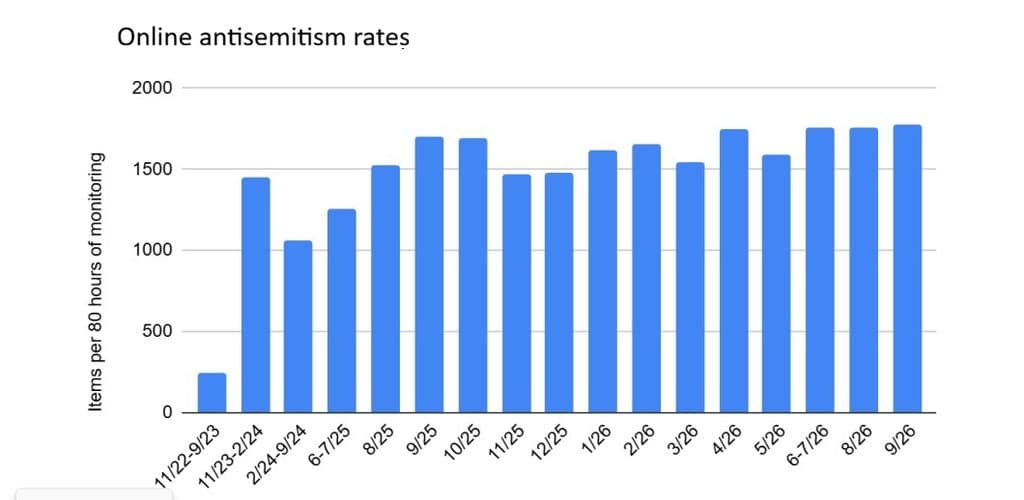
The number of antisemitic items online was the highest on record over the past three months, with rates continuing to grow incrementally and erratically since the massive spike that followed the October 7 attack.
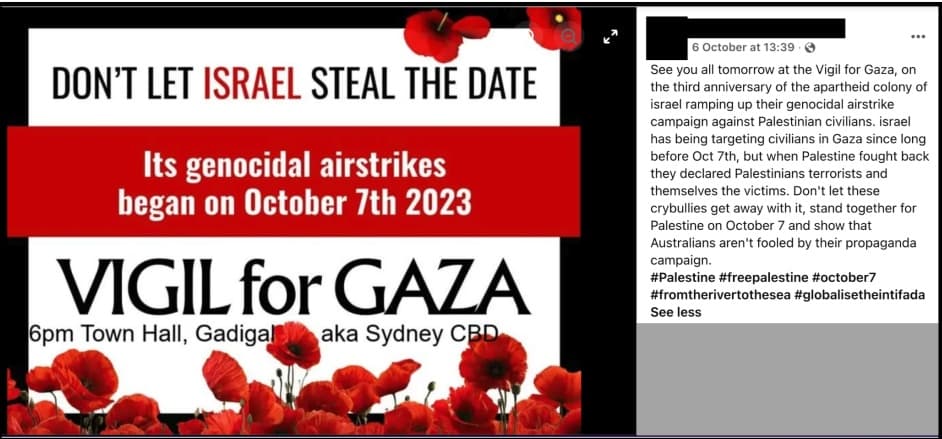
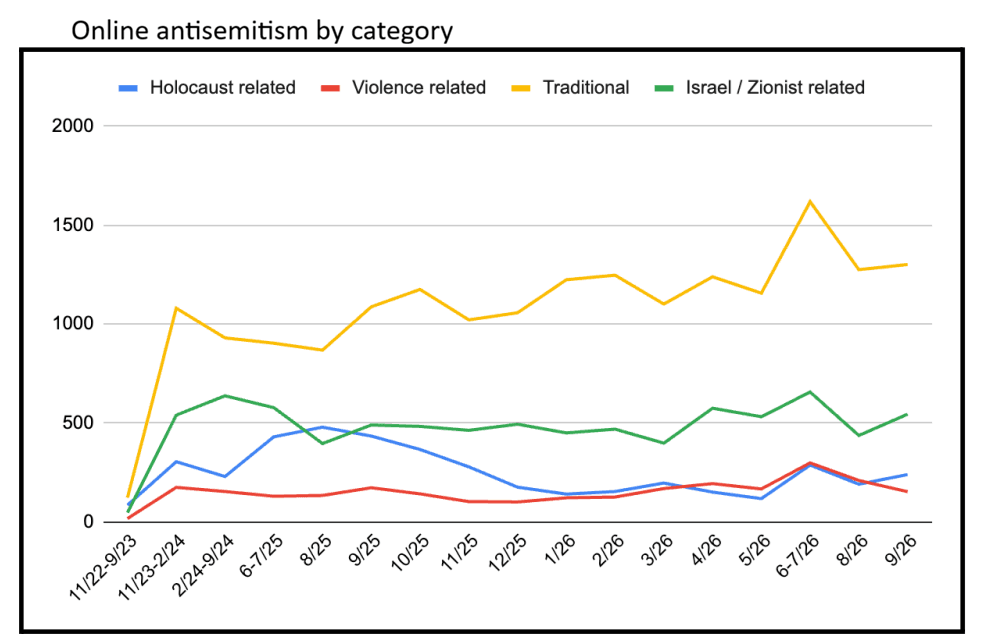
Antisemitism rates have failed to return to pre-October 7 levels, but although the increase is clearly correlated with the Hamas attack on Israel and subsequent War in Gaza, Israel is not the target of the most attacks.
Traditional antisemitism accounts for more than twice as much antisemitic content online as Israel- or Zionist-related content.
The finding comes from the latest report of the Online Hate Prevention Institute, based on research conducted by Dr Andre Oboler, Jasmine Beinart and Eliyahou Roth.
The authors said the research made it clear that there was no validity to the charge that most antisemitism is really legitimate Israel-criticism.
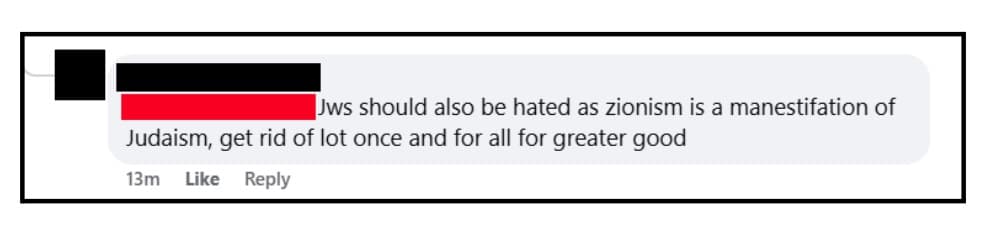
“This finding is significant in the context of recurring claims that seek to deny or minimise the problem of antisemitism. These claims often suggest the rise can be explained away as a result of anti-Zionist or pro-Palestinian content being ‘misclassified’ as antisemitism. Our data does not support this. The nature of the antisemitism is largely of an older and more traditional kind, from claims of Jewish power to the accusation of deicide.”
Many of the claims found online would have been recognisable in the Middle Ages: dehumanising Jews, promoting the idea of a world Jewish conspiracy, accusing Jews of being disloyal, bloodthirsty or money hungry.