Published: 14 October 2026
Last updated: 14 October 2026
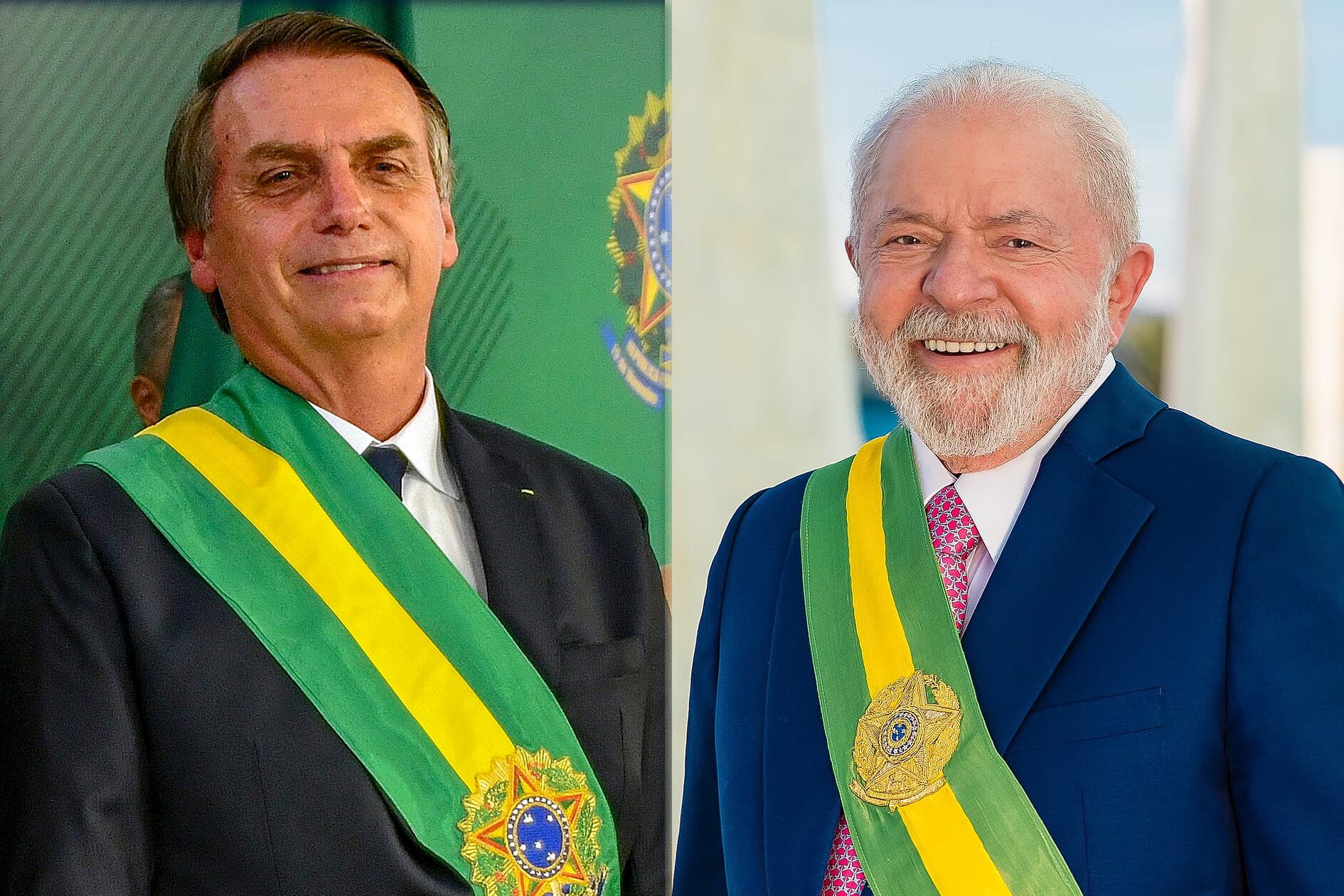
On the night of Brazil's first-round vote, October 4, a woman stood outside Senator Flávio Bolsonaro's house in Brasília wrapped in an Israeli flag. Bolsonaro had just finished ahead of President Luiz Inácio Lula da Silva, 47.03 per cent to 45.16 per cent, forcing a runoff on October 25. The next morning, Benjamin Netanyahu told reporters he hoped Bolsonaro would win and restore the friendship between the two countries.
I am a Brazilian Jew and a Zionist. I believe the Jewish people have the right to self-determination in a state of their own, that Israel's existence is not a historical error awaiting correction, and that my attachment to it is part of who I am rather than a political accessory.
I also teach Israeli politics and the Arab-Israeli conflict at universities in São Paulo, and I wrote a book on Israel's 1982 war in Lebanon. Watching that flag on the evening news, I felt what many Brazilian Jews I know felt: not gratitude, but unease. The flag of a country I love had become a campaign prop, in a contest where neither side is really talking to us.
How Israel became a badge
Relations between Brasília and Jerusalem are at their lowest point in decades. In February 2024, Lula compared Israel's war in Gaza to the Holocaust; Israel declared him persona non grata; Brazil withdrew its ambassador and later declined to accept Israel's nominee for Brasília. Today, embassies in both countries are run by chargés d'affaires.
The opposition leadership read the rupture as an opportunity. Flávio Bolsonaro launched his pre-campaign in January in Jerusalem, at a government-sponsored conference on antisemitism attended by Netanyahu. In June, speaking to a Jewish audience in Buenos Aires, he promised that a Bolsonaro government would not only restore an ambassador to Israel but move Brazil's embassy to Jerusalem.