Published: 29 October 2026
Last updated: 29 October 2026
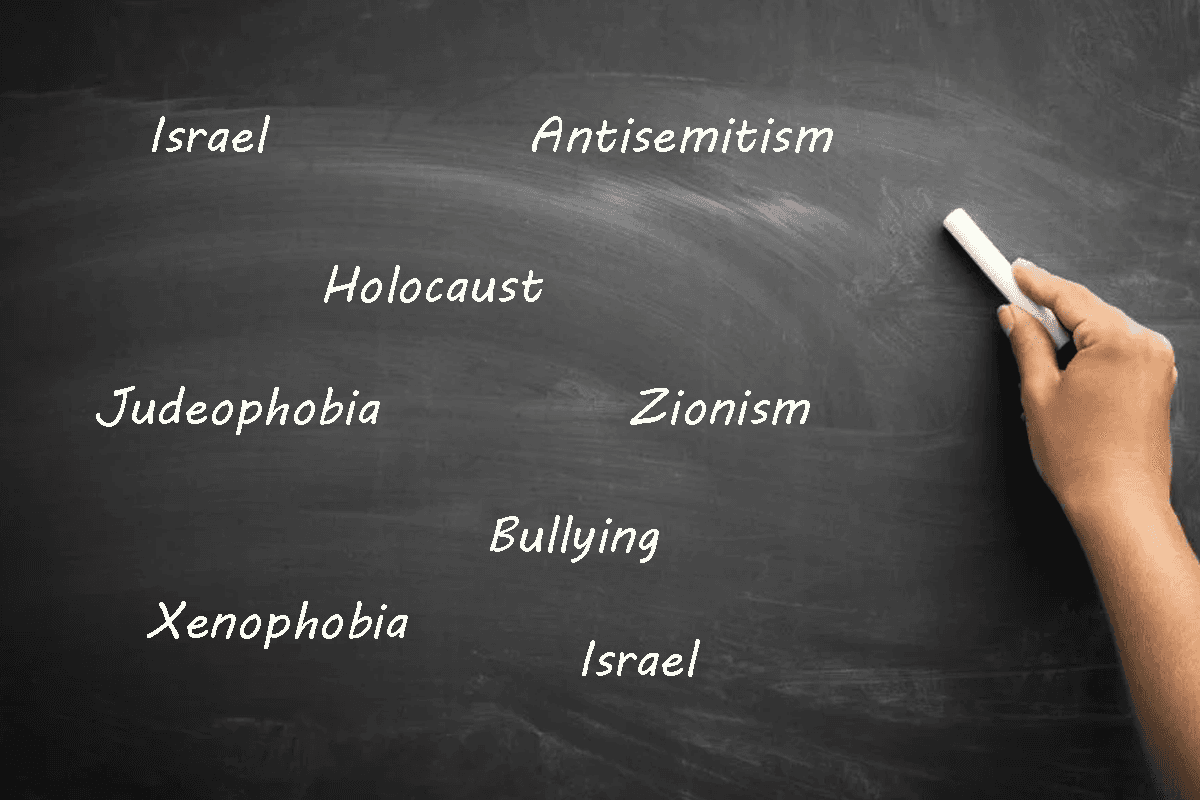
It’s the hardest question confronting the Jewish community, and society more broadly: how do you reduce the prevalence of antisemitism? Governments can pass laws and hold inquiries; advocates can hold conferences to highlight certain behaviours. But how can you actually change people’s views?
The answer starts with education – and the first step is to educate teachers, many of whom have neither the understanding nor the tools to recognise antisemitism themselves, let alone teach kids about it.
In April this year, the Sydney Jewish Museum (SJM) co-ordinated a training program for teachers in 11 NSW public schools to help them address and combat antisemitism in the classroom. The program was initiated by the Antisemitism Envoy Jillian Segal and funded by the Federal Government, using resources provided by the United Nations Educational, Scientific and Cultural Organisation (UNESCO).
“Our aim is for teachers to recognise antisemitism, to know the difference between antisemitic rhetoric and legitimate criticism of Israel, and to educate about antisemitism through different aspects of the syllabus,” Sandy Hollis, the Head of Education at the SJM, told The Jewish Independent.
Yet when the teachers were given an opportunity to ask questions about the content, “99 per cent were about Israel and genocide,” Hollis says. “They asked: ‘How can we teach about antisemitism when Jews are carrying out a genocide?’
“They don't draw a distinction between Jews and Israel. It's so complicated. We mourn at Bondi, but we invite the president of the state of Israel to come and console us. We mourn at Bondi with Israeli flags stretched across our shoulders. It's really complicated for people who will never meet a Jew, and the chances of most of these people ever meeting a Jew are next to zero.