Published: 9 November 2026
Last updated: 9 November 2026
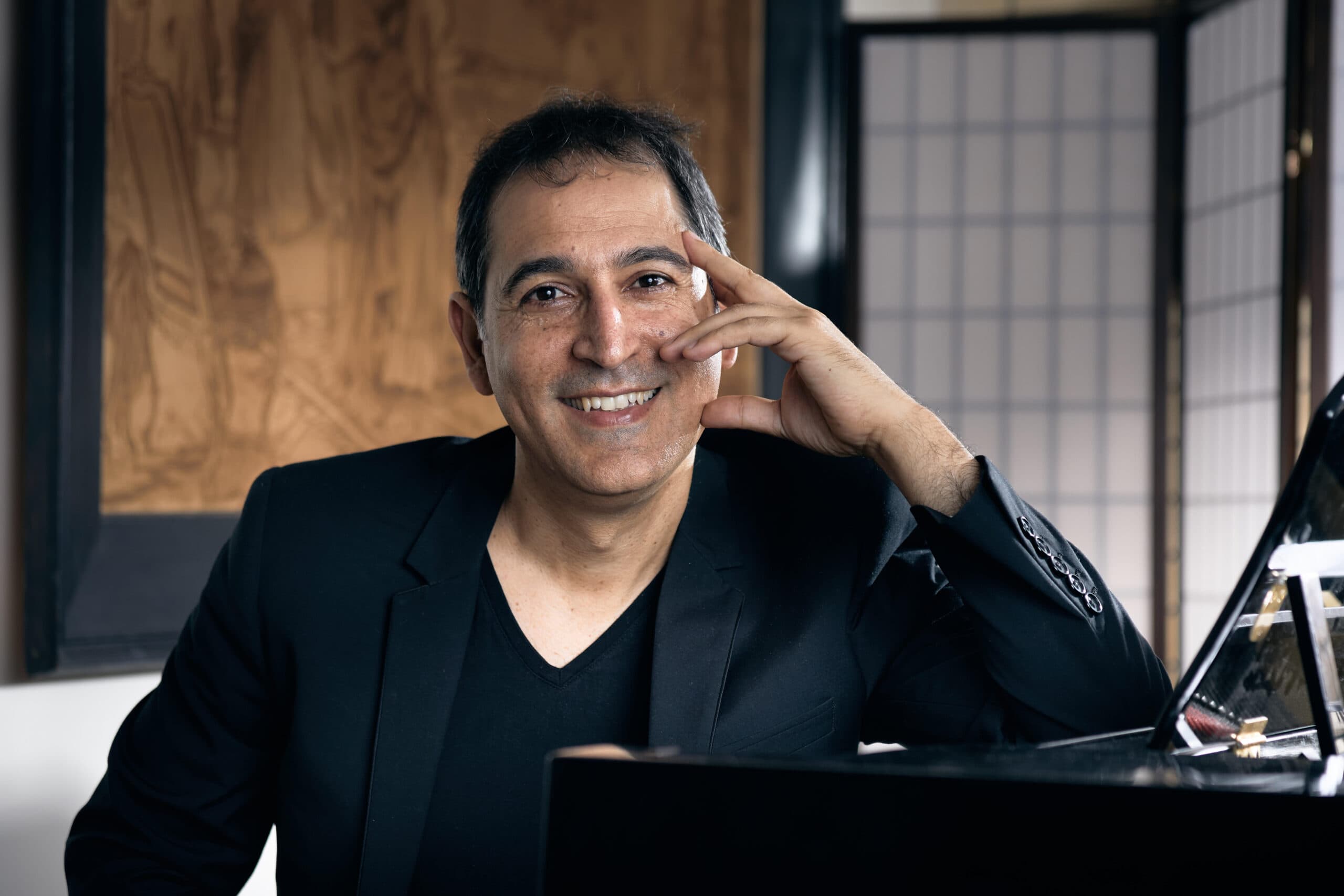
Yitzhak Yedid’s largest composition begins with a question from the Book of Ezekiel: can these bones live?
The Valley of the Dry Bones, a new oratorio with text by Stan Grant, will have its world premiere with the Melbourne Symphony Orchestra at Hamer Hall on June 5, 2027.
The project has received a $200,000 Sidney Myer Foundation alumni commissioning grant.
Yedid first had the idea for a large work based on Ezekiel’s vision about 15 years ago. Across seven movements, it moves through death, a return to life, unity, violence and judgment before reaching what he describes as Geula, redemption, and a promise of peace.
“How do we want to be here and now?” he asks. “How do we see ourselves?”
As a boy in Jerusalem, Yedid’s father would wake him at three in the morning and take him to Ades, the Syrian-Aleppian synagogue near Jerusalem’s market.
During winter, the Baqashot, devotional poems and prayers, were sung before dawn on Shabbat. Yedid remembers the synagogue being full.
His father also sang at home, around the Shabbat table and through the week.
Yedid remembers his mother noticing Ashkenazi families whose children learnt Western instruments and deciding hers should have the same opportunity. He began piano at seven.
His father’s family came from Aleppo and his mother’s from Iraq. The synagogue music he grew up with used maqam, the system of melodic modes also found across Arabic music.