Published: 4 December 2025
Last updated: 4 December 2025
The German-Jewish philosopher Adorno famously said that to write poetry after Auschwitz is barbaric. That line has been repeated so often it became a cliché of despair — a symptom of the very illness it described. Yet what Adorno meant, I think, was simpler and harsher: that to be merely poetic — decorative, beautiful, innocent — was no longer possible.
When the Holocaust occurred — a crime so total it broke language itself — meaning had to change. Beauty, nobility, honour, tenderness: all were compromised. After all, the Nazis were not savages; they were educated Europeans. They loved Goethe, Hölderlin, and Schubert. They painted, they wrote, they sang hymns — and then went to work in the camps where millions languished, including my own extended family.
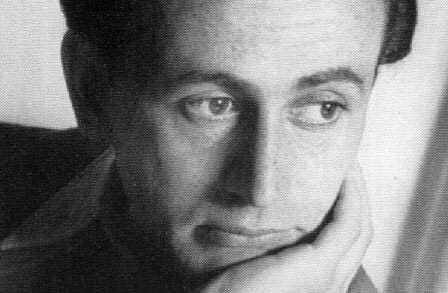
No artist captures this hefsek — this break in meaning — more than Paul Celan. Born Paul Antschel in Bukovina, Celan began as a Symbolist. After the war — after his mother’s murder in Auschwitz and his own internment in a labour camp — he faced the unanswerable question: how can a Jewish poet, bearing witness to the incommensurable, ever write again?
Celan took the language he loved — his mother tongue, German — and transfigured it. Translation itself became expression. In Atemwende (Breathturn), his poems are acts of linguistic tikkun — repair. Each word is a nitsots, a divine spark torn from its vessel. Poetry, for him, was no longer song but survival — the stammer of a man speaking through smoke.
Nothing was redeemed by the Shoah.
Art was not improved.
Humanity learned no lesson.
The hunger for power and purity still lives with us.
But something endured: the act of silent communion — devekut, the clinging of the soul to what little light remains.