Published: 21 July 2023
Last updated: 5 March 2024
COLIN SHINDLER: Were Ethel and Julius Rosenberg given the death penalty because the judge viewed their spying as a crime against his version of American Jewishness? .
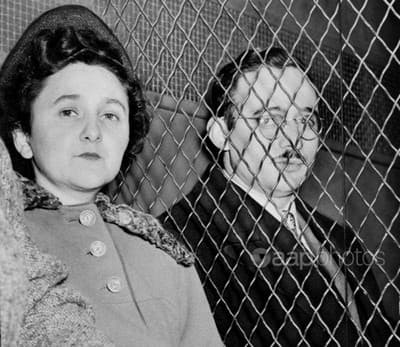
Seventy years ago, in June 1953, Julius and Ethel Rosenberg were electrocuted at Sing-Sing prison in New York — 15 minutes before Shabbat began out of respect for Jewish tradition. It is an anniversary that Jewish organisations in the Diaspora have chosen to ignore — and one that they may not wish to be reminded of.
The zeitgeist in the summer of 1953 was a deep fear of the Soviet threat and many US Jewish organisations worried about Jewry being tarred with the brush of Judeo-Communism. Rabbi Louis Rabinowitz in Johannesburg and Rabbi Alexander Altmann in Manchester were honourable exceptions — and appealed to President Eisenhower for clemency for the couple. Luminaries such as Sartre, Brecht, Einstein, Picasso and even the Pope appealed, but to no avail. According to a Gallop poll, 76% of Americans believed the Rosenbergs deserved their fate.
Convicted of espionage in 1951 and sentenced to death by Judge Irving Kaufman — who had spent several hours beforehand at his Temple, Park Avenue Synagogue, meditating on his verdict — the Rosenbergs became a cause célèbre for the international Left. As Anne Sebba remarks in her recent biography of Ethel Rosenberg: “The Rosenbergs remain the only Americans ever put to death in peacetime for conspiracy to commit espionage, the only two American civilians executed for civilian-related crimes committed during the Cold War.”
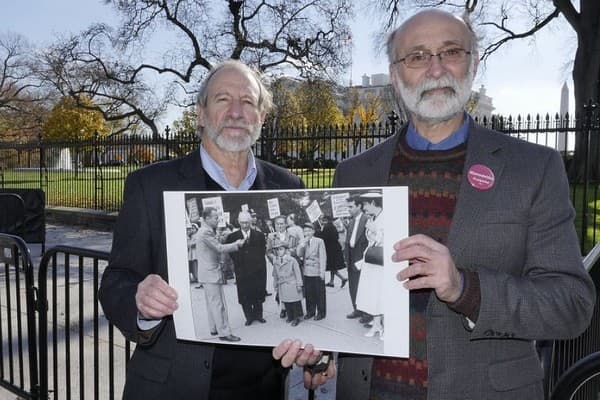
The Rosenbergs left behind two young sons, six and 10 years old, who did not understand why their parents had been taken away from them. A kibbutz in Israel offered to take in the boys and look after them.
Two recent books, Martin J. Siegel’s Judgement and Mercy (2023), a biography of Judge Kaufman, and Anne Sebba's Ethel Rosenberg: A Cold War Tragedy (2021), demonstrate the ambiguities and machinations behind the death sentences. In short, the verdict on the Rosenbergs can be viewed historically on how Jews understood Jewishness and the American dream in post-war US.