Published: 20 March 2025
Last updated: 20 March 2025
After the election of a new president, formation of a new government, and parliament’s vote of confidence, it appears that Lebanon’s state institutions are now ready to launch a much-needed campaign to reform the war-torn and bankrupted country.
A key element in the success of a reform campaign will be the government's ability to curb Hezbollah's disruptive influence over the country.
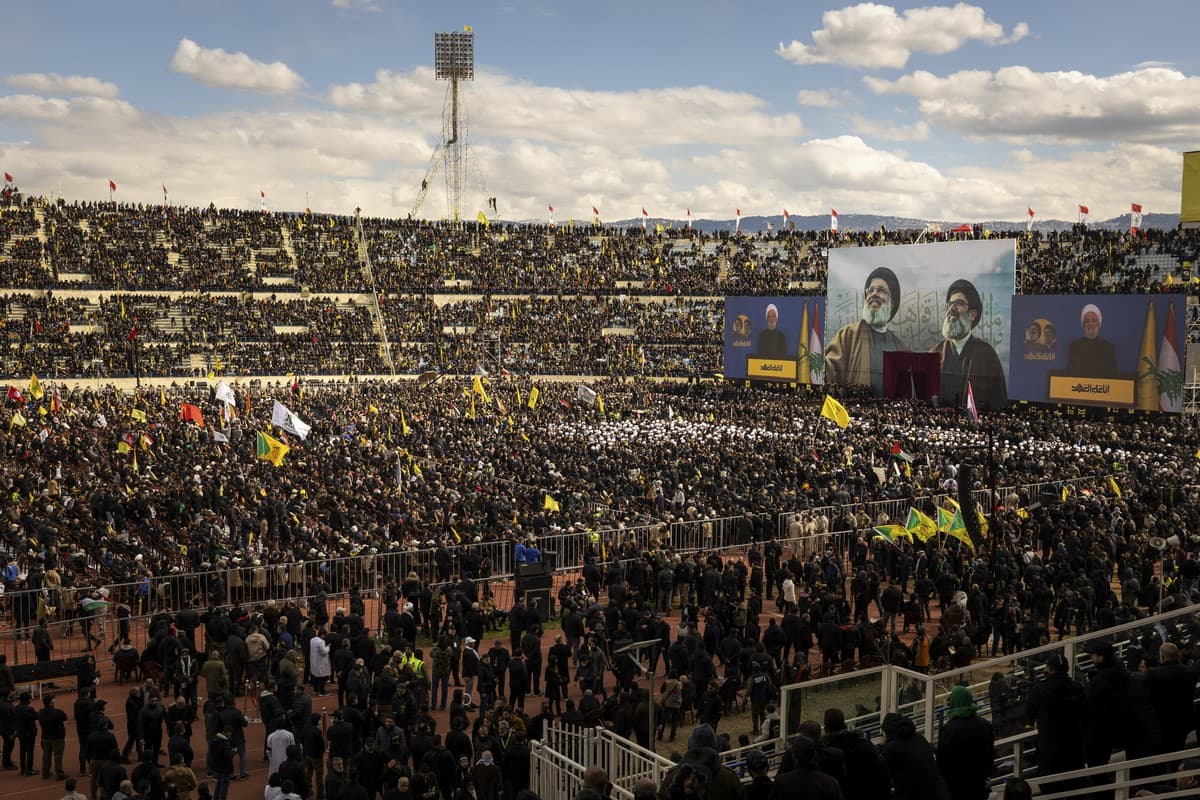
As the only militia that did not disarm after the Lebanese civil war ended in 1989, while enjoying the patronage of Iran and the Assad regime in Syria, Hezbollah has since become the political hegemon of Lebanese politics. It has operated with unlimited freedom, building its massive independent military and social infrastructures.
After the recent war with Israel, Hezbollah finds itself at an unprecedented low point.
Hezbollah has flourished for decades due to its ability to exploit the weak Lebanese state institutions for its own political purposes. The organisation’s existence as a powerful and independent Iranian proxy depended on its ability to breach the country’s sovereignty by keeping its independent armed wing; massive smuggling of arms, money and men through the unregulated borders; and escaping from any accountability for its acts of political violence and terror in the domestic arena.
After the recent war with Israel, Hezbollah finds itself at an unprecedented low point. Its leadership is seen as weak and inexperienced, it has suffered significant military losses, and it is in deep financial crisis. Most important is the fact that the movement is cut off from its main supply routes of funds and weapons in Syria due to the fall of the Assad regime.