Published: 28 April 2023
Last updated: 5 March 2024
Understanding the Jewish claim to Israel and the need for recognition of minorities, Jews are well-placed to advocate for the Indigenous Voice to Parliament, writes ROB LEHRER.
Most Jews believe in the right of the Jewish people to a homeland in the State of Israel. To some, it is a historic right and an antidote to long-standing persecution of Jews in the diaspora; to some it is a divine right, a God-given right to our holy lands, often described as our ancestral lands. To some, it is a combination of these. The basis of these rights is not tenuous, there is a 3500-year history of profound cultural, religious and physical connections to these lands.
So, given this claim to justice, what should be our response to the request of Indigenous Australians for a Voice to Parliament? To a people who have inhabited the lands of Australia not for 3500 years but more than 10 times that long. To a people who have been dispossessed, isolated and deprived in their historic ancestral lands. To a people who have been massacred, murdered, persecuted, vilified, stolen and their culture attacked. They are not demanding their land back, they are inviting us to join them in a journey towards reconciliation. They are asking for constitutional recognition. They are asking to be heard.
Jewish community groups have lobbied for governments and institutions to adopt a special definition of antisemitism to protect our community and to educate the broader Australian community because antisemitism defines a particular and often extreme form of hatred, lies and injustice perpetrated against Jews. The Australian Constitution guarantees us freedom of religion and legislation protects us against discrimination, vilification and hate speech, yet our community groups want more. Importantly, it was insisted that Jewish people should define antisemitism. Our governments, state and federal, are putting large sums into Jewish Holocaust museums and Holocaust awareness educational programs. Yet the only genocide in this country was against Indigenous Australians. So, when we say Never Again, we must also consider this in light of the experience of our First Peoples.
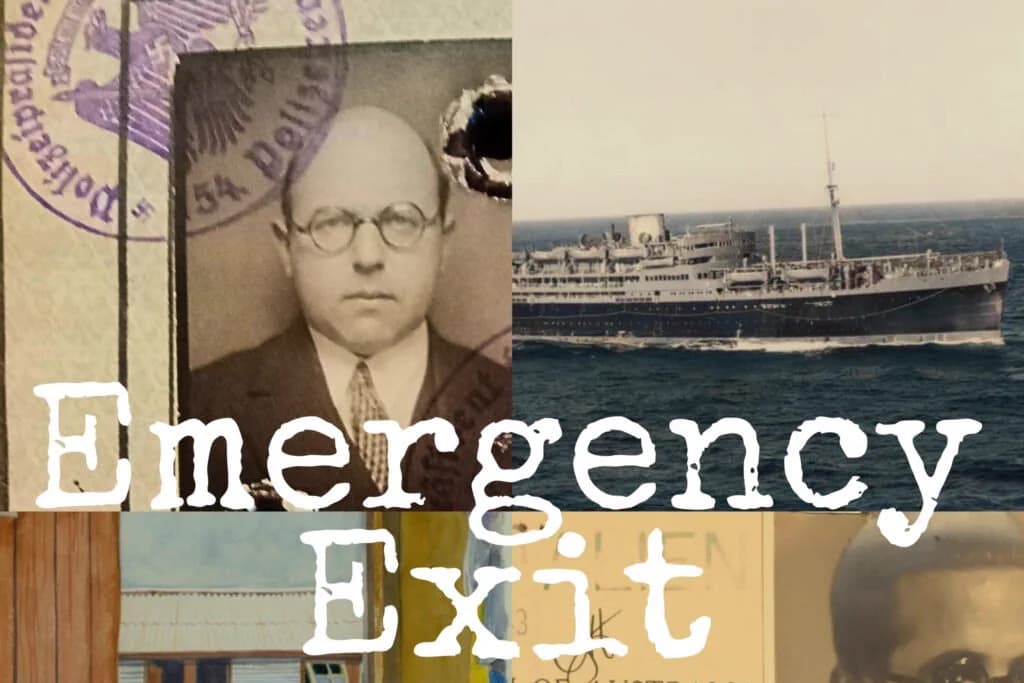
Our situation is very different to Indigenous Australians. It’s incredible to think our parents and grandparents who came here in the 20th century, including my Holocaust survivor parents and grandparents, were naturalised and received full citizenship rights a few short years after arriving when at the same time many Indigenous Australians did not have the right to vote in their own country until 1962 and weren’t included in the census until after the 1967 referendum.