Published: 12 November 2026
Last updated: 12 November 2026
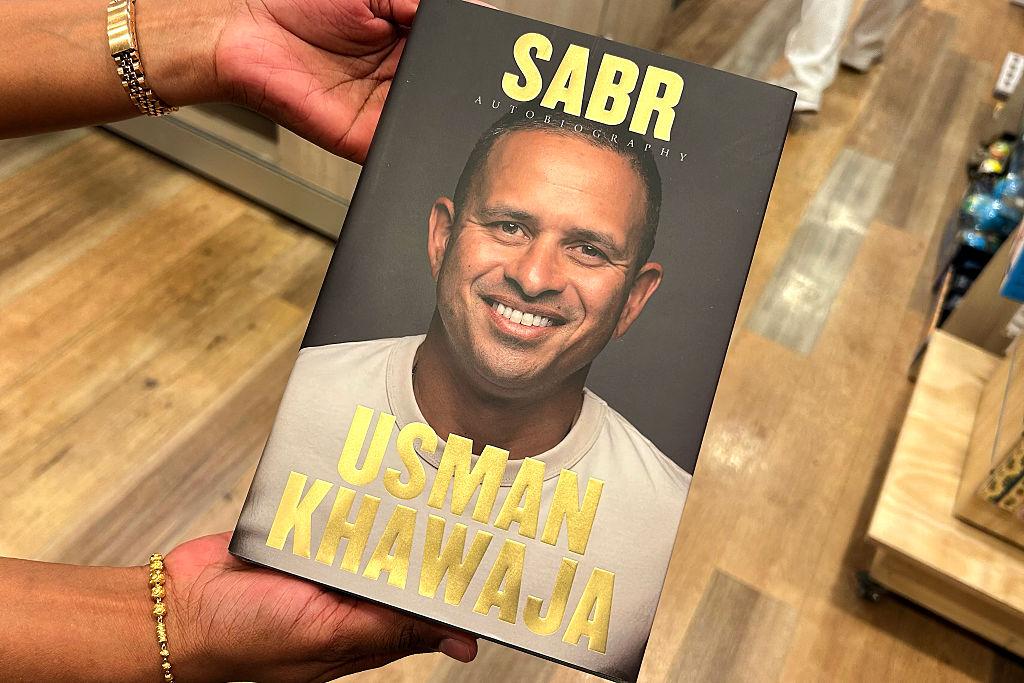
Usman Khawaja is one of Australia’s most prominent cricketers. Born in Pakistan and raised in Sydney, he became the first Muslim to play Test cricket for Australia and a leading opening batter. His memoir Sabr was published on November 10, 2026.
It has attracted attention for fresh, sensational claims about the 2018 ball-tampering scandal, as well as Khawaja’s reflections on racism, Islamophobia and the war in Gaza.
The extract that prompted this article recounts Khawaja’s 2025 meeting with Prime Minister Anthony Albanese, criticising Australia’s position on Israel. He argues that Muslims and Christians share close religious and cultural ties and asserts that Muslims are “more like Jesus – and Christians” than many people realise. His story is also a shameful conversation about racism and the impact on him and his family.
Khawaja’s account of his mother being abused at the Melbourne Boxing Day Test is disturbing. The perpetrators’ conduct was cruel and cowardly, and his mother’s response was extraordinarily generous. That story deserves to be heard on its own terms.
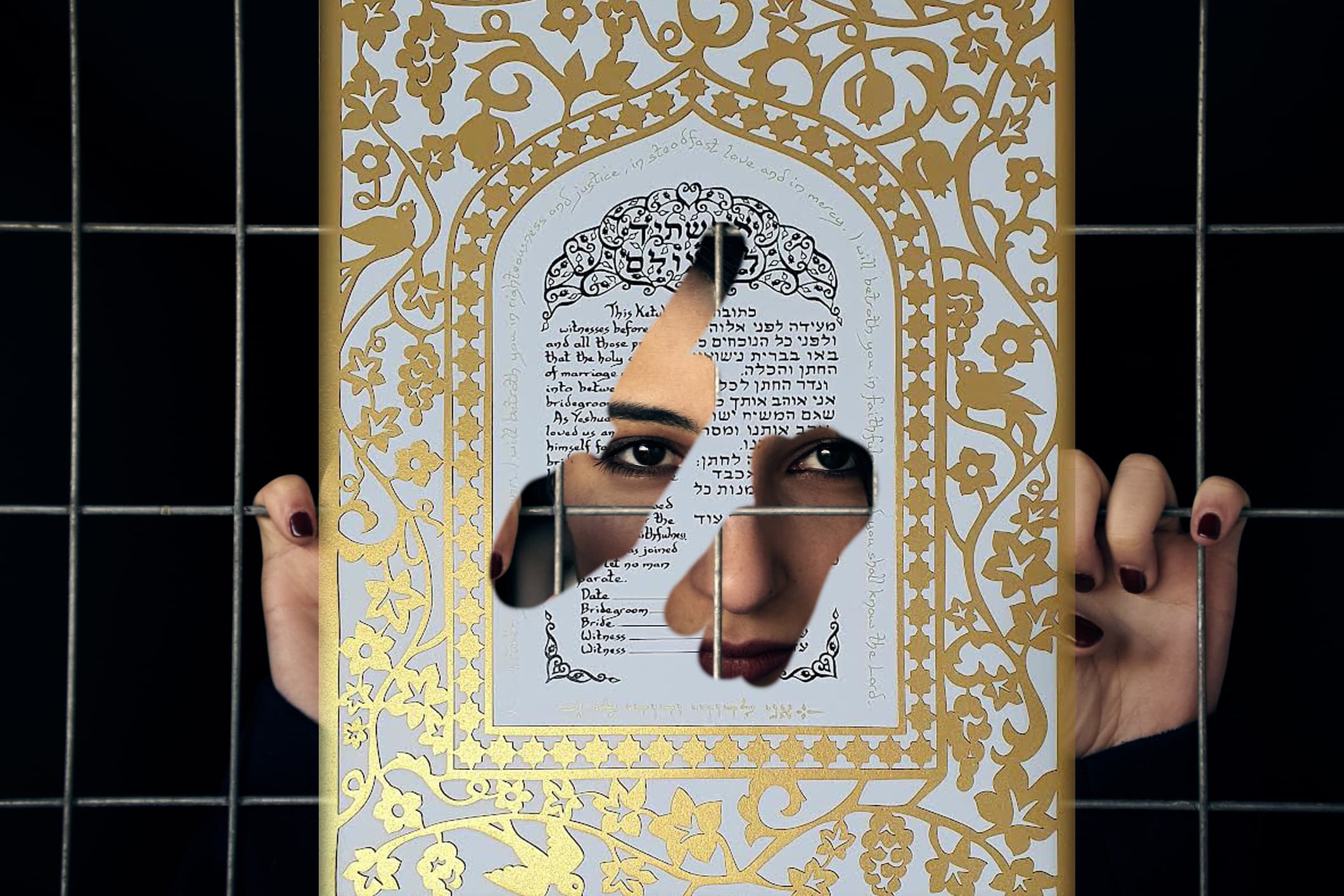
The problem begins when Khawaja turns it into evidence for sweeping claims about racism, media behaviour, Israel and Gaza, then presents a religious comparison that makes Jesus a bridge between Muslims and Christians while leaving out the most basic fact about him: Jesus was Jewish.
Khawaja says the boys who abused his mother saw a woman in a hijab and saw “terrorist”, “outsider”, “immigrant”, “enemy”. But the extract moves quickly from a specific act of abuse to an assertion that this prejudice is “ingrained” in young people.
Racism and anti-Muslim prejudice are real and should be confronted. But seriousness demands more than replacing one generalisation with another.