Published: 24 August 2021
Last updated: 4 March 2024
LYNNE SWARTS: Ephraim Moses Lilien is renowned for his images of muscular Jewish men but deserves more recognition for redefining the independence of the Jewish female form
EPHRAIM MOSES LILIEN - often called “the first Zionist artist” - was one of the most significant Jewish artists of the modern era. With little formal academic training, Lilien matured into a master printer, a prize-winning photographer, and a renowned illustrator, publishing three major illustrated books during his brief lifetime.
Born in 1874 in Drohobycz, then a part of the Austro-Hungarian empire, he befriended many of the celebrated Jewish intellectuals of the German-speaking world, including Stefan Zweig, Theodor Herzl, Martin Buber, and Chaim Weizmann.
Lilien became the darling of the German Jewish art world, playing an important role in the cultural Zionist art movement. He worked, albeit briefly, at the first Israeli national art school, Bezalel, in Jerusalem when it opened in 1906.
His iconic photograph of Theodor Herzl looking out over the river Rhine is better known for its emotional rhetoric than for the name of the artist who snapped the image.
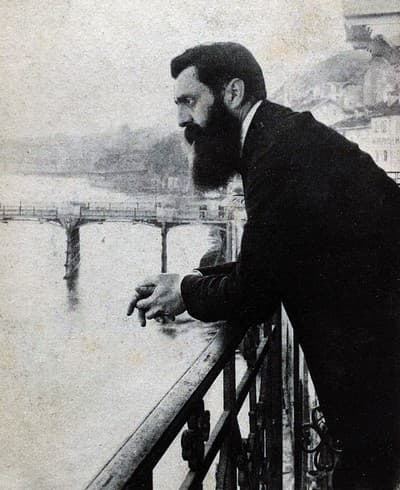
Israeli and Jewish history buffs recognise the photograph of Herzl, the founder of political Zionism, who stands looking east toward a hopeful future for the state of the Jews. Yet most are unaware that Lilien accumulated a large following for his modernist black-and-white illustrations during the first decade before World War I.
Lilien and Zionism
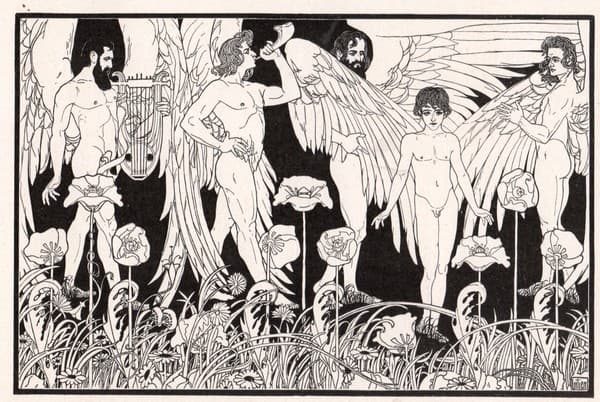
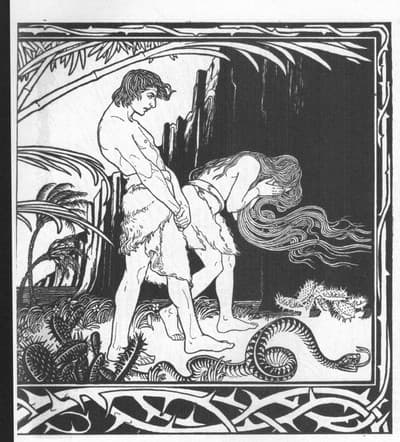
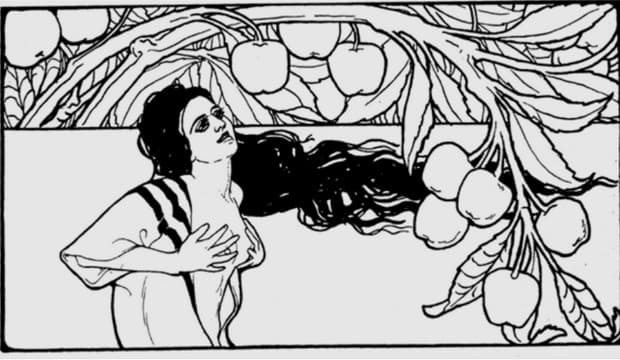
Considering Lilien’s place in Zionist visual culture, it is surprising and disappointing that his female representations have largely been ignored. Scholars focused on ways to historicise Lilien’s prophetic constructions of the powerful and muscular “new male Jew” who formed a major part of early Zionist debates on nationalism, politics, emancipation, and the Jewish body.