Published: 8 July 2022
Last updated: 5 March 2024
Aboriginal leaders recognise the long history of Jewish support but know there is much more to do, writes PAULA TOWERS
Aboriginal leaders felt a long-awaited sense of movement when Prime Minister Anthony Albanese pledged to work towards a public vote on enshrining an Aboriginal advisory body within the constitution.
“The election announcement felt like a bit of a puff of wind in the sails after five years of doing a lot of rowing since the Uluru Statement from the Heart was created in 2017,” said Dean Parkin, Director of the From the Heart campaign.
Parkin was one of three participants on “an outstanding panel of Australia’s most influential Aboriginal leaders,” said Michelle Blum, CEO of the Australia-Israel Chamber of Commerce, at the chamber’s event in Sydney on June 24 that discussed the topic Over the Horizon: Aboriginal aspirations after the 2022 Federal Election.
“Recognition of our past matters … so that we are able to move through that trauma and develoP a Better future"
Karen Mundine
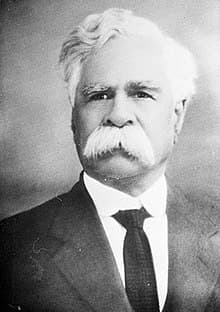
Referencing the long history of partnership between Australia’s Jewish and Indigenous communities and their shared focus on fighting discrimination and persecution, Blum paid tribute to “the highly principled gesture by William Cooper and the Australian Aborigines League in 1938 when they marched on the German embassy in Melbourne to protest the anti-Jewish pogroms and Kristallnacht … taking this stand at a time when Cooper wasn't even counted as a citizen of his own country.”
The important role of Australian Jewish community members in the fight for justice and recognition for Indigenous people was also highlighted by Blum, including noting the actions of the former NSW Supreme Court chief justice, James Spigelman, who first came to public recognition in the 1960s when he joined First Nations leaders, including Charles Perkins, in the Freedom Rides; the work of Melbourne lawyer Ron Castan QC, who played a leading role in the landmark Mabo case, as well as more recent leaders, such as Mark Leibler, who have played prominent roles in the reconciliation movement and constitutional recognition process.