Published: 27 August 2019
Last updated: 5 March 2024
YOU’D PROBABLY RECOGNISE YIDDISH if you heard it. It’s that old Jewish vernacular that contains the noticeably guttural, German-esque noises you might associate with Jewish orthodoxy. Words like schtick, shmuck and chutzpah all come from Yiddish, which first appeared in Eastern and Central Europe around the 9th century AD.
Yiddish was once the main language of Judaism, and was spoken by up to 75 percent of all Jews worldwide. But the Holocaust drastically reduced the number of Yiddish speakers, and today the language is mainly spoken by the ultra-Orthodox.
I say mainly, because Yiddish is now getting something of a rebirth. And not among the devout, but among a new demographic of young, socially progressive Jews in countries such as Australia. This group isn’t taking their cues from the Orthodox community, either. Instead they’re looking back to a time when Yiddish was the working-class language of anti-Zionism, anti-fascism, and anarchism.
FULL STORY Australia’s young Jews explain why Yiddish is the language of protest (Vice)
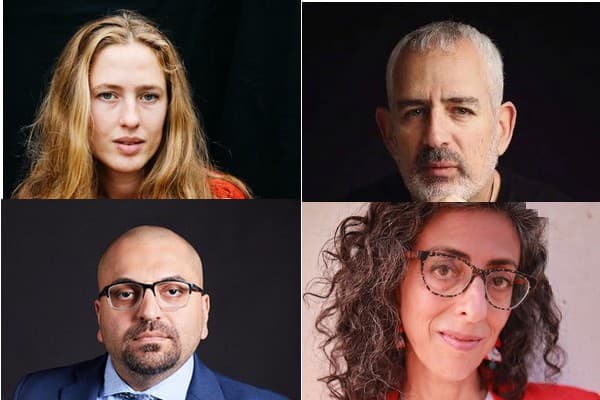
Photo: Sonya Goldberg, Megan, Russell Goldblatt (supplied)