Published: 30 July 2021
Last updated: 4 March 2024
DASH LAWRENCE: With Holocaust survivors dwindling around the world, next month’s conference, Aftermath, explores the ‘precariousness’ of Holocaust memory
ANYONE WHO WITNESSED the January 2020 commemoration event for the 75th anniversary liberation of Auschwitz – with a only handful of frail, elderly survivors left to attend – will know how fragile Holocaust memory has become.
Of the three and half million European Jews who survived the Holocaust, fewer than 400,000 are alive today. By the end of this decade that number will be closer to 100,000.
Since Covid-19 began its spread across Israel, the United States and Europe, thousands of Holocaust survivors have lost their lives to the pandemic. (In Israel alone, an estimated 900 survivors had died by January 2021).
The events of the last 20 months may have accelerated the demise of a dwindling generation – but nothing was going to hold back the inevitable tide of old age. With or without vaccines, the last surviving witnesses to the extermination of European Jewry will soon be gone.
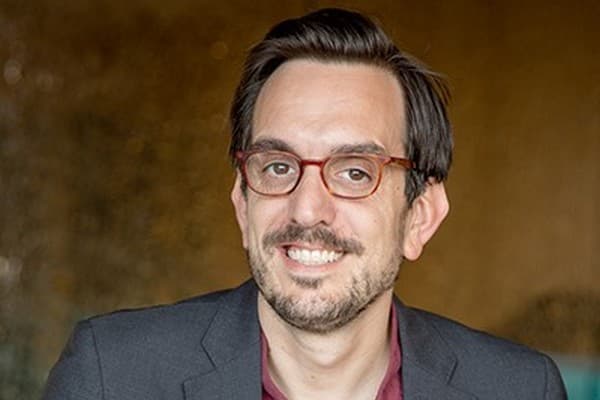
It’s a thought often on the mind of Noah Shenker, a senior lecturer in Holocaust and Genocide Studies at Monash University’s Australian Centre for Jewish Civilisation (ACJC).
This August, Shenker will co-convene the University’s Jan Randa Aftermath Series: a program of online lectures on Holocaust memory. Aftermath’s theme this yearly is aptly focused on the “precariousness of memory”.
Art and representation form the backbone of the program: sessions include Yiddish Holocaust poetry (featuring Melbourne’s much-loved family act The Bashevis Singers), Jewish Holocaust songbook, and Representations of the Holocaust Across Generations (featuring a focus on museums).
Another session delves into the Holocaust survival story of visual artist Mirka Mora, who is the subject of the current MIRKA exhibition at the Jewish Museum of Australia.