Published: 26 August 2026
Last updated: 26 August 2026
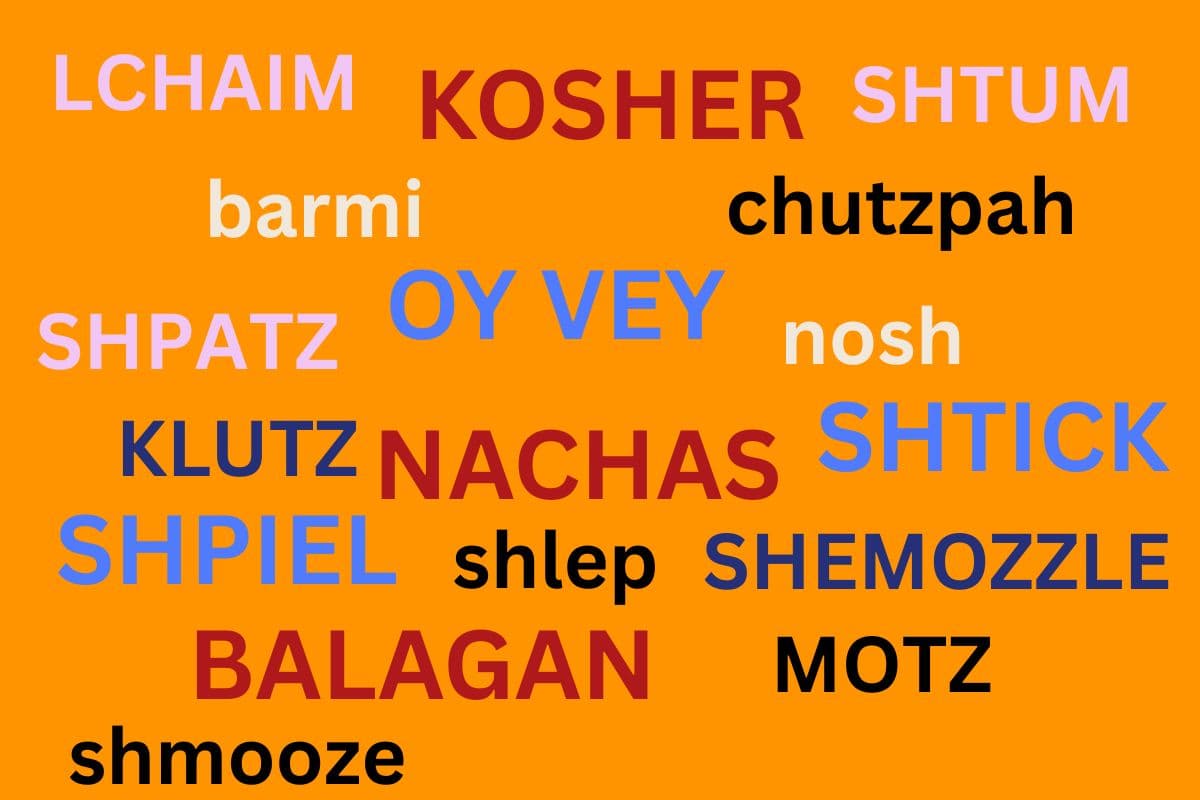
Do you put your hat on when you go for a shpatz? Or wear a yarmi to a barmi? Would you keep shtum if you ever lost a motza at the races?
If you understood these terms meaning “go for a walk”, wear a “yarmulke” to a “bar mitzvah” and “keep quiet” about losing a “fortune”, you are well versed in Jewish Australian English.
We are researchers from Australia (Caroline) and the United States (Emma), and we have recently published a study looking at how Australians and Americans differ in their knowledge of Jewish English terms. These are words that have come into English from Jewish languages such as Hebrew and Yiddish, including common words like shtick and chutzpah, all the way to terms that pretty much only Jewish people know, such as macher (“an important, well-connected person”) and naches (“proud pleasure”). We were interested in seeing which kinds of Jewish English words people know, depending on whether they are Australian or American and Jewish or non-Jewish. We asked 611 people (88 Jewish Australians, 162 non-Jewish Australians, 253 Jewish Americans, and 108 non-Jewish Americans) whether they had heard or used 36 different Jewish English terms.
One of the categories of words that we asked about were words that come from Yiddish and Hebrew and that we thought people in Australia – Jewish or not – would know, but that people in the US would not. Some of these words came to Australia from British English, such as shtum, meaning “quiet” (as in “keep/stay shtum”). Words like this made their way into English from Jews living in the UK, usually around London, and then were brought over to Australia by British immigrants. Other terms probably came straight into Australian English from Jews living in Australia who spoke Yiddish or Hebrew, or were influenced by the English spoken by Jewish South African immigrants.