Published: 7 August 2025
Last updated: 7 August 2025
Norman Rosenblatt – a collector of Schulim Krimper's furniture – wrote in 2014: “Krimper’s passion for a product of nature, namely wood, turned grain into brush strokes of beauty. And the palette he used needed no mixing, but only the touch and understanding of his artistic genius.”
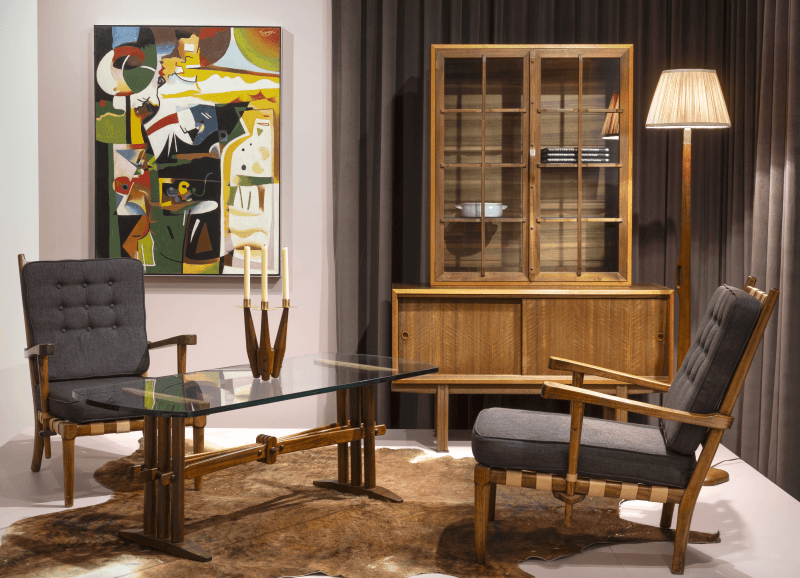
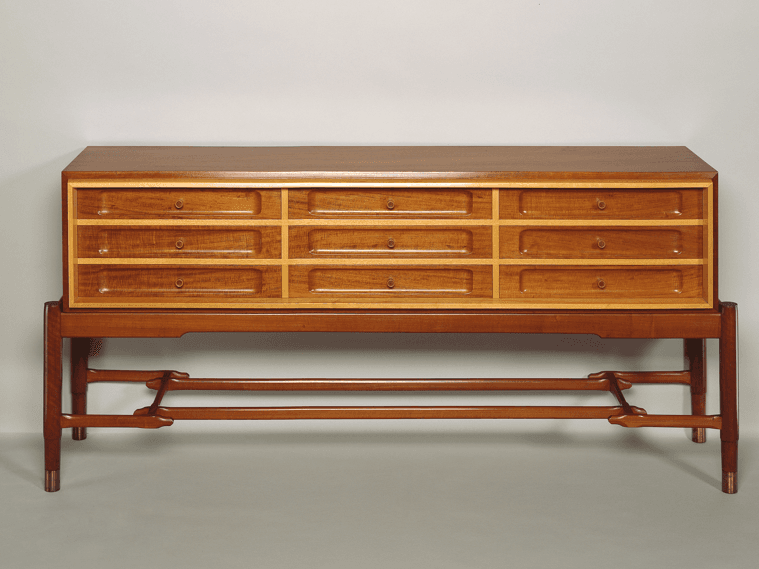
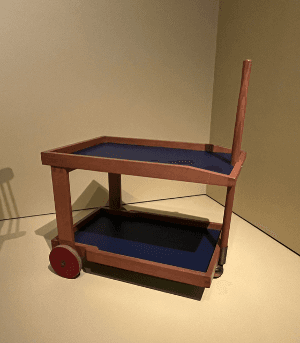
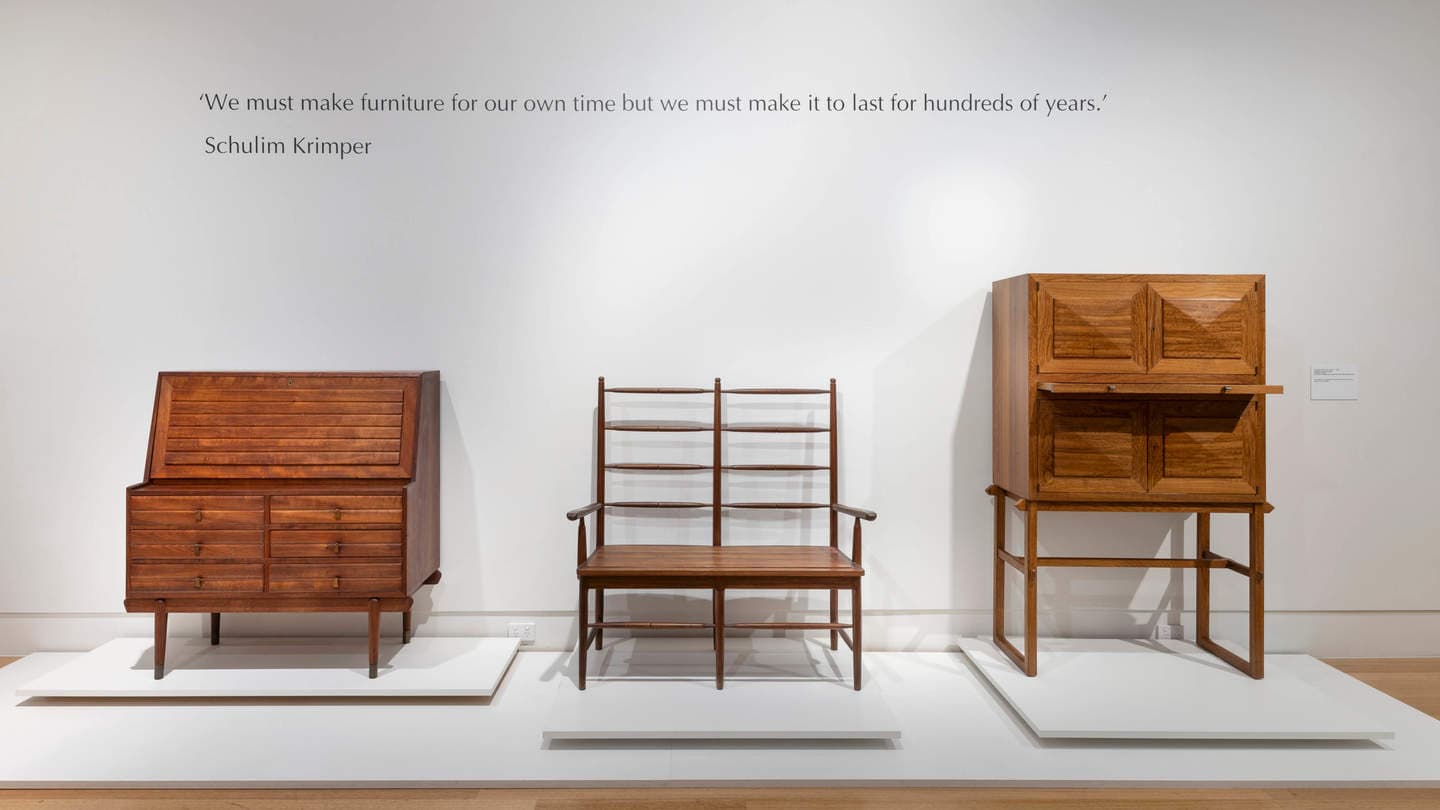
After viewing the 41 items of furniture – sideboards, cupboards, chairs, desks, tables, frames, boxes, and many others – by Schulim Krimper on display at the Bayside Gallery, I was struck by the thought that he brought together an understanding of natural surfaces and domestic interiors as found in European high art.
Krimper's work can also be read as small-scale architecture, echoing a lightness and spareness found in the buildings of architect and design masters like Ludwig Mies van der Rohe.
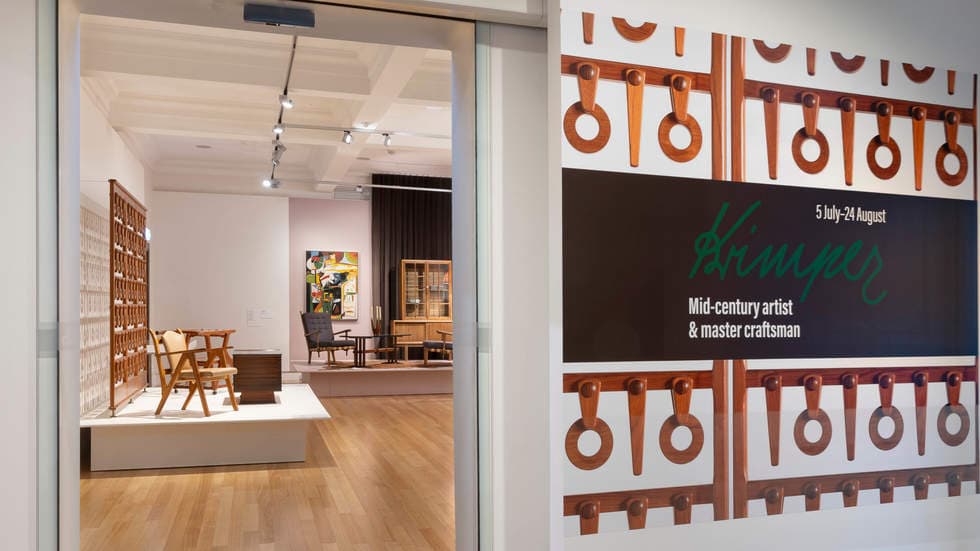
It is a treat to see so many works on display throughout the exhibition – entitled Schulim Krimper: mid-century artist and master craftsman and curated by Kirsty Grant – which include pieces from private collections that have never been shown before in public.
Krimper was born in 1893 in Romania during the Austro-Hungarian Empire and died in Melbourne in 1971. Unfortuanetly, it appears that none of Krimper's work in Europe has been identified, meaning the relationship between his pre-war work and what he did in Australia with local timber – which he adored – is unknown.
In late 1938, Krimper left Germany on a one-way ticket and spent months in a Kitchener Camp for refugees in the UK. Even in the camp, his skill was recognised, with a local magazine reporting: “Give him an old railway sleeper, timber that has been left to rot or wood that has been given up as useless, and he will return to you in a few hours with a beautifully finished tobacco jar, a flower bowl, a letter rack... but made with such masterly cunning that it is impossible to associate it with the raw material from which you know he made it."