Published: 16 September 2022
Last updated: 5 March 2024
Invited to speak at a school exhibition at Coffs Harbour, SHARON OFFENBERGER finds the familiar stories from her childhood have new resonance.
“I grew up in the shadow of the Holocaust,” began my speech marking a sunny afternoon in the middle of the school term.
I had been invited to open the Holocaust exhibition at the Anglican school in Coffs Harbour – a regional centre about six hours’ drive north of Sydney. A friendly coastal hub that services locals, sea-changers, and farmers.
“Coffs” is as Aussie as it gets, with pockets (or kangaroo pouches) of multiculturalism. The mid-North Coast of NSW is mostly known for its vibrant turquoise beaches, vibrant blueberries, and vibrant caravan culture. It is not known for its vibrant Jewish community.
But it happens to be where my children go to school.
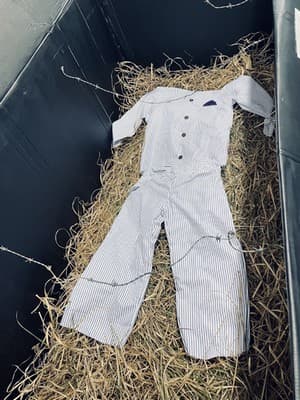
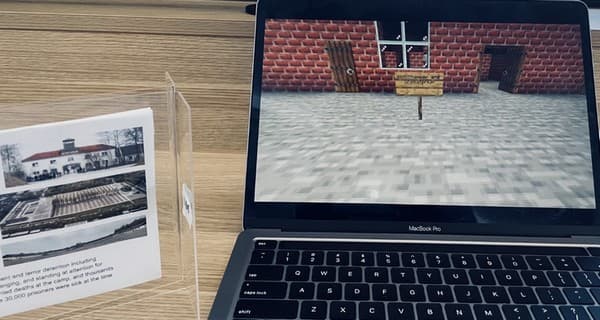
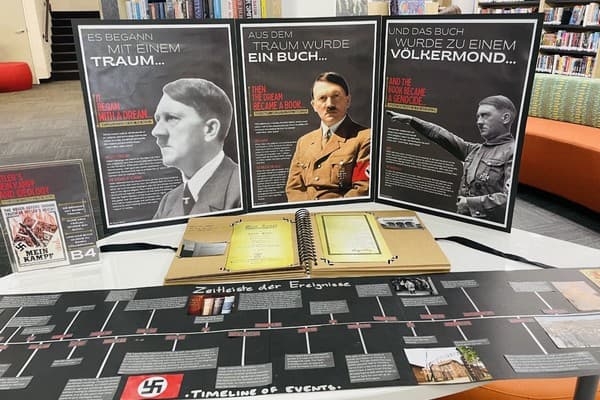
The Holocaust exhibition was a project of the entire Year 10 cohort, 100-plus kids, who had turned the school library into a makeshift museum comprising carefully researched and creative exhibits.
It was the first time I have been elevated into the Shoah storyteller role, one I am not wholly comfortable with. Having moved from a community of survivors (Melbourne) to a whole country of survivors (Israel), there was simply nothing remarkable about my story.
What I imparted now with some gravitas as “growing up in the shadow of the Holocaust” was, at the time, simply being a Melbourne Jew. It was the simplicity of 1980s Australia superimposed on a roomful of undiagnosed PTSD.
When I moved to Israel, I discovered there was no category of “Melbourne Jew” in the vast lexicon of identities. My upbringing - even my parent’s upbringing - didn’t count. All that mattered was where my grandparents were from. I was called "Polaniya" (Polish, f.) and therefore the butt of jokes about women who were cold and didn’t enjoy sex. There was no status in being the descendant of survivors, that is unless you become a politician.