Published: 11 July 2024
Last updated: 11 July 2024
This story was originally published in the Forward. Click here to get the Forward's free email newsletters delivered to your inbox.
The other night I was scrolling through an Instagram account about foraging edible plants. (There’s no way I’m harvesting magnolia blossoms to make cookies, but it’s fun to imagine.) I was feeling very seen by a video about how awful the invasive Bradford pear tree smells — if you know, you know — when I saw something confusing in the comments.
“At a time when genocide is prevalent in the world, let’s lead with compassion for those living things that we don’t think belong,” it read.
Was someone really chastising the foraging account for being mean to a tree? Because of, uh, Gaza?
Regardless of your feelings about Israel’s military actions in Gaza, I think we can all agree it has little to do with the ornamental plant choices of American urban planners.
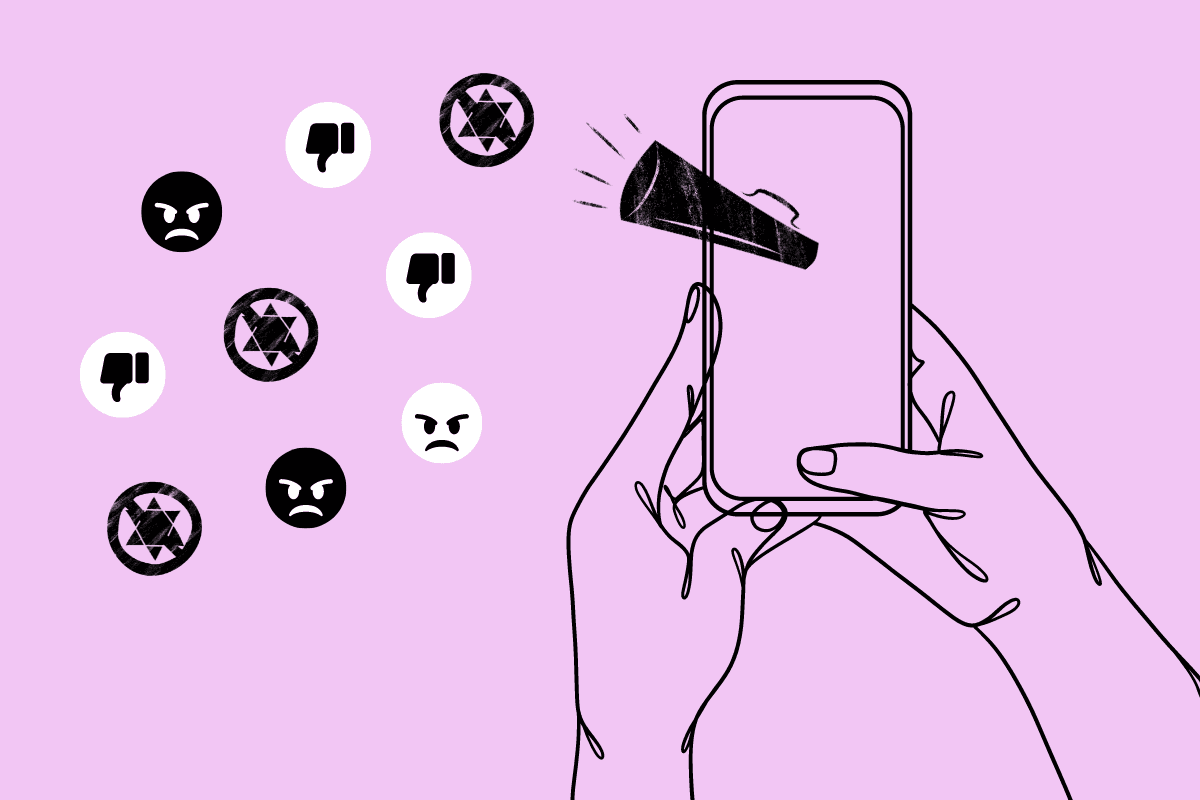
But the Israel-Hamas war has infiltrated our feeds to an extent that everything is, nominally, connected — at least in the eyes of internet scolds.
“Kids in Palestine have nothing to eat and you can’t bring yourself to eat?” reads a comment on a video of an 8-year-old girl documenting her attempts to overcome a food intake disorder that makes her gag when she eats.
A mother posted a picture of her child with a deep red sunburn, complaining that camp counselors hadn’t reapplied sunscreen, only to be virally retweeted by someone calling out “the contrast of white mom problems compared to what the women of Gaza are going through”. A woman documenting her recovery from anorexia was slammed for eating a Starbucks muffin because the chain is on a pro-Palestine boycott list.