Published: 17 September 2026
Last updated: 12 October 2026
There are many ways to talk about Jewish identity. We can discuss Jewish literacy, continuity, belonging, peoplehood, Zionism and the challenge of sustaining minority identity in the Diaspora.
But perhaps we should talk more about marinade.
A marinade is a remarkable thing. It is not usually the main ingredient in a dish and it does not announce itself with great drama. It does not stand there shouting, “Look at me, I am changing everything.”
It simply surrounds. It soaks, permeates and waits. And over time, what sits inside it changes. Not instantly, not violently and not loudly, but slowly, subtly and inevitably. What surrounds something eventually becomes part of it.
We know this in cooking, we know it in families, and we know it in schools and communities. And Judaism has understood it for thousands of years.
No child stops in the corridor and thinks: “I am currently experiencing a formative moment of Jewish cultural immersion.” But the sounds go in
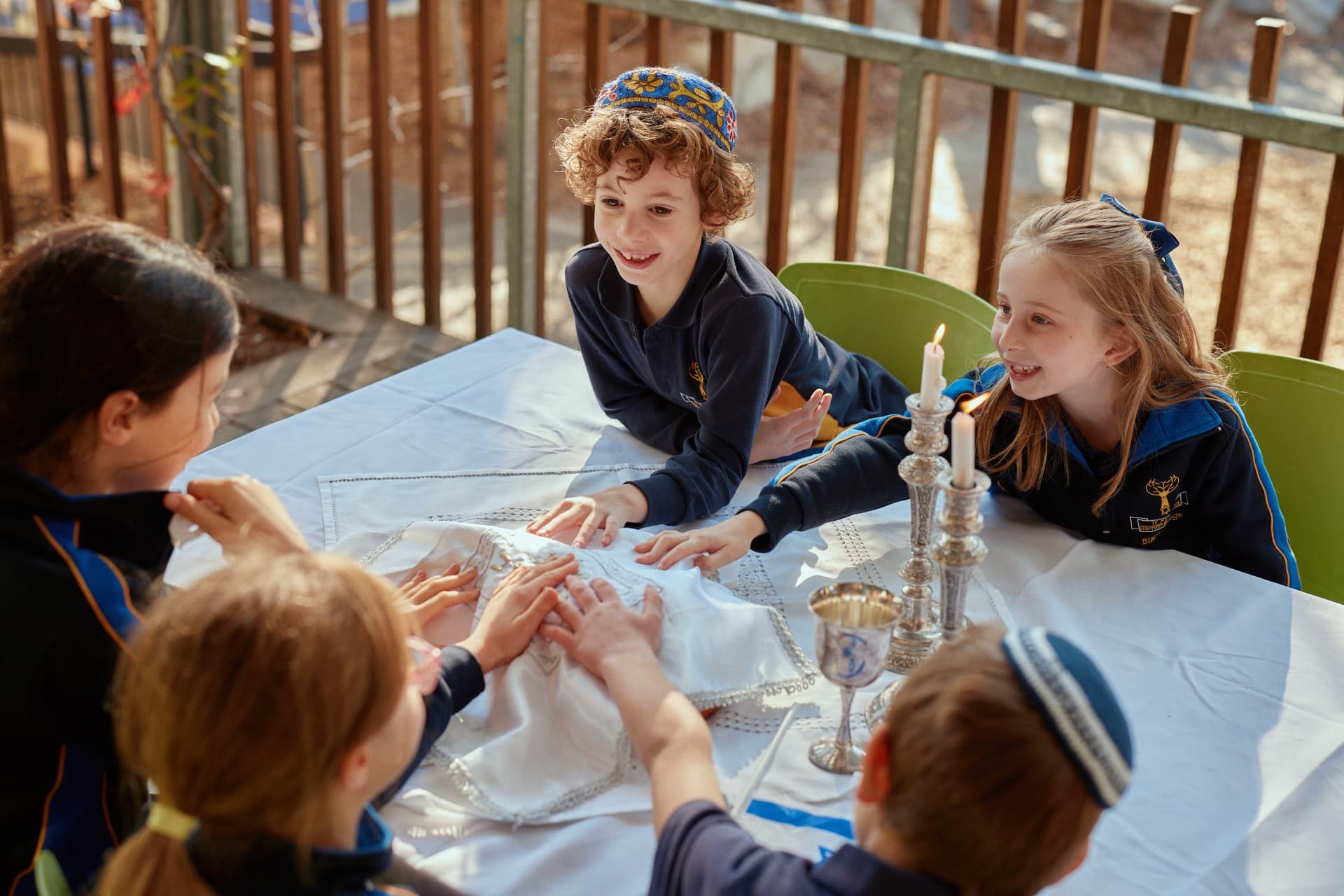
Jewish identity is not only taught. It is absorbed, sung, smelled and tasted. It is watched, overheard and practised. It is lived.
It is the marinade.
As Principal of a Jewish school, I see this every day. We spend enormous amounts of time thinking about what we teach. How much Hebrew? Which Jewish texts? How should we teach Israel? How do we accommodate different levels of observance and belief? What knowledge and skill set should a Jewish child possess by the time they graduate?