Published: 7 August 2025
Last updated: 7 August 2025
There is a moment in every great story — Shakespeare knew it well — when a character reaches a point of ‘anagnorisis’, a Greek word that reflects a flash of recognition. It is a realisation that the world is more complicated than once believed. It is the moment when the plot twists, but more importantly, so does the soul.
Our tradition is full of points of anagnorisis. When Tamar reveals she is pregnant by the same Judah who seeks to burn her alive for ‘harlotry’, Judah slumps and declares She is more righteous than I. When Moses transforms to a leader who will confront Pharoah and lead the Israelites out of Egypt, he asks Who am I that I should go to Pharoah? And after King David’s sins with Bathsheva and the murder of her husband Uria, Natan shakes him with the words You are the man and David finally realises the error of his ways and repents, I have sinned against the Lord.
To teach Zionism responsibly in 2025 is to teach it as a love that is neither blind nor naïve
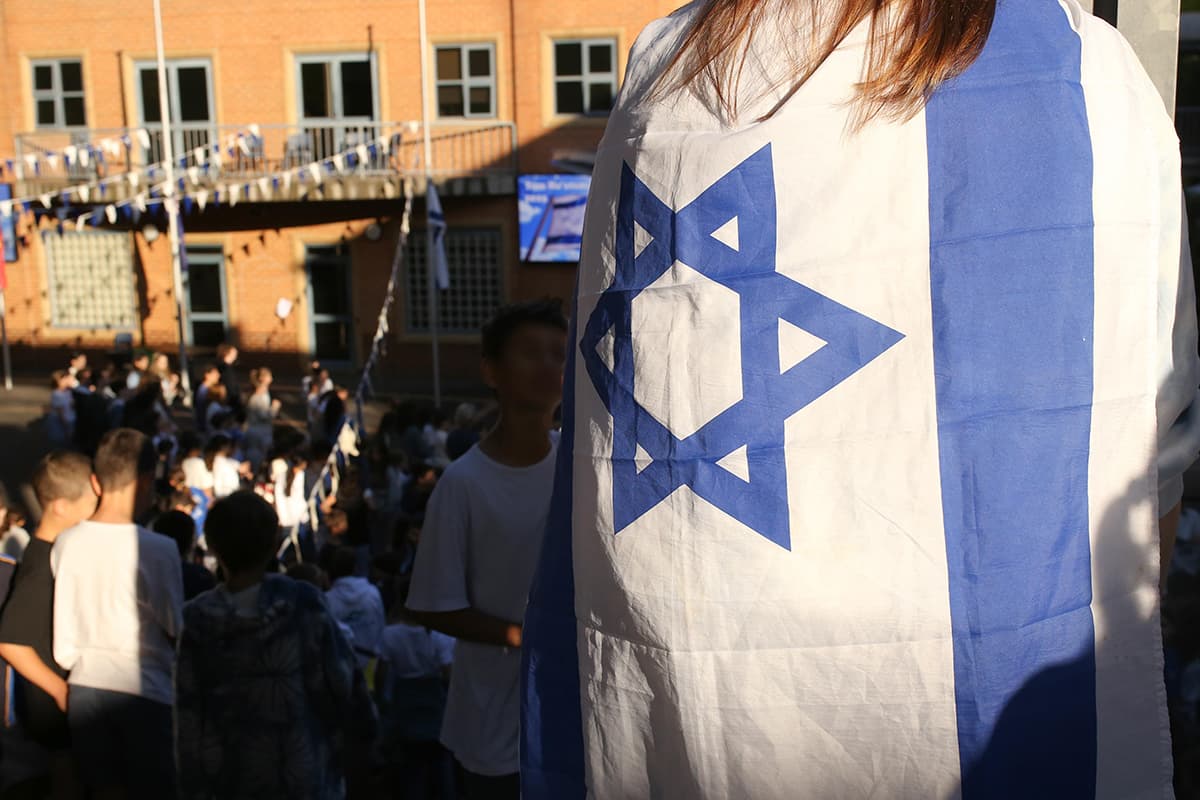
Now more than ever it is that same spirit of recognition that underpins what we try to achieve every day in the classrooms of our Zionist Jewish schools, especially when teaching our young people about Israel, Gaza, Zionism, and identity.
This is not an academic exercise. It is an act of courage, faith, and a commitment to complexity.
Why complexity? Because complexity is not something to be feared — it is something to be cultivated.