
Published: 7 April 2026
Last updated: 8 April 2026
As northern Lebanon’s largest city, and the area’s political and economic centre, Tripoli provides an illuminating spotlight on the latest conflict in the Middle East and the direction of its country.
While physically left untouched amid Israel’s war with Hezbollah in the south and its strikes on the terrorist group’s strongholds in capital Beirut, the city and its people – like elsewhere across Lebanon – have much to lose.
Home to the area’s Sunni Muslim community, Tripoli includes small but longstanding enclaves of Christians and Alawites. Due to this Sunni majority and being nearer to Lebanon’s border with Syria than Israel, the city has long been relatively untouched by Hezbollah’s influence.
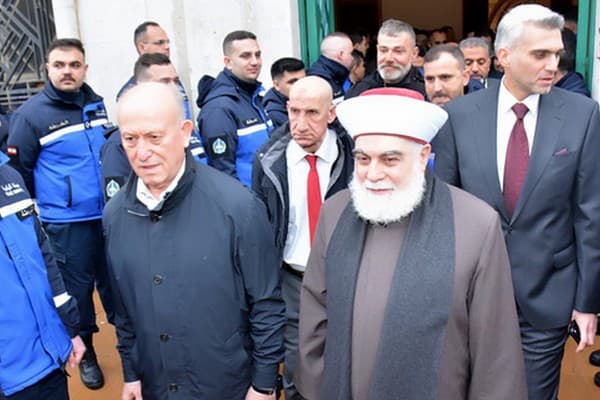
Its people and leaders are loyal to the state and its institutions, evidenced by billboards of President Joseph Aoun. The country’s confessional political system ensures the presidency is held by a Maronite, the prime ministership a Sunni, and the speaker a Shia. Representing one of Tripoli’s seats in the 128-member Lebanese parliament is Sunni Muslim General Ashraf Rifi.
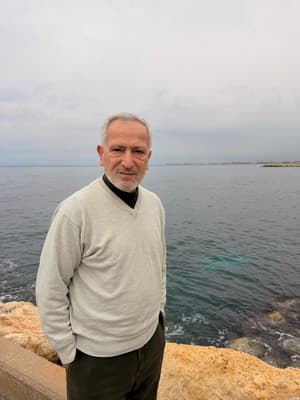
A former national police chief and justice minister – who resigned from government in 2016 citing Hezbollah’s “malign influence” – General Rifi is the elder brother of Sydney GP Jamal Rifi, a prominent figure in Australia's Muslim community.
The general’s name is frequently brought up as a potential future prime minister, although elections scheduled for May have now been postponed due to the conflict.
We did not build our country as we should have built it, as a cohesive country
Sheik Mohammad Tariq Imam
![[[:fr:Fez (coiffure)|Fez]] rouge à gland noir, en feutre.](/_next/image/?url=https%3A%2F%2Fjewishindependent.yourcreativeagency.com.au%2Fwp-content%2Fuploads%2F2026%2F10%2Ffez-cap-eisenkot-netanyahu.jpg&w=3840&q=75)
