Aa
  • Read, Watch, Listen
  • TJI Series
  • Community Action
  • Events
  • Zedi
Follow us and continue the conversation
  • LinkedIn
  • Instagram
  • FaceBook
  • X
  • YouTube
Test yourself with the TJI Quiz!

Adjust size of text

Aa

Follow us and continue the conversation

  • LinkedIn
  • Instagram
  • FaceBook
  • X
  • YouTube

Your saved articles

You haven't saved any articles

What are you looking for?

Original reporting, insightful analysis and diverse views, delivered straight to your inbox

  • LinkedIn
  • Instagram
  • FaceBook
  • X
  • YouTube
Your support fuels our mission to inform, entertain and inspire.

The Jewish Independent is bound by the Standards of Practice of the Australian Press Council. If you believe the Standards may have been breached, you may approach The Jewish Independent or make a complaint to the Australian Press Council in writing at www.presscouncil.org.au. The Council may also be contacted on 1800 025 712.

  • Our Story
  • Contact us
  • Our Team
  • Support us
  • Guidelines
  • Pitch your idea
  • Republishing us
  • Community Action
  • Our Awards
  • LinkedIn
  • Instagram
  • FaceBook
  • X
  • YouTube
Aboriginal FlagTorres Strait Islanders Flag

The Jewish Independent acknowledges Aboriginal and Torres Strait Islander peoples as the Traditional Owners and Custodians of Country throughout Australia. We pay our respects to Elders past and present, and strive to honour their rich history of storytelling in our work and mission.

© The Jewish Independent 2026All Rights Reserved
Website design and development by Your Creative, MelbourneTerms & ConditionsPrivacy Policy
HomeRead, Watch, Listen

Startup nation or left-behind nation?

TJI Pick
Print this
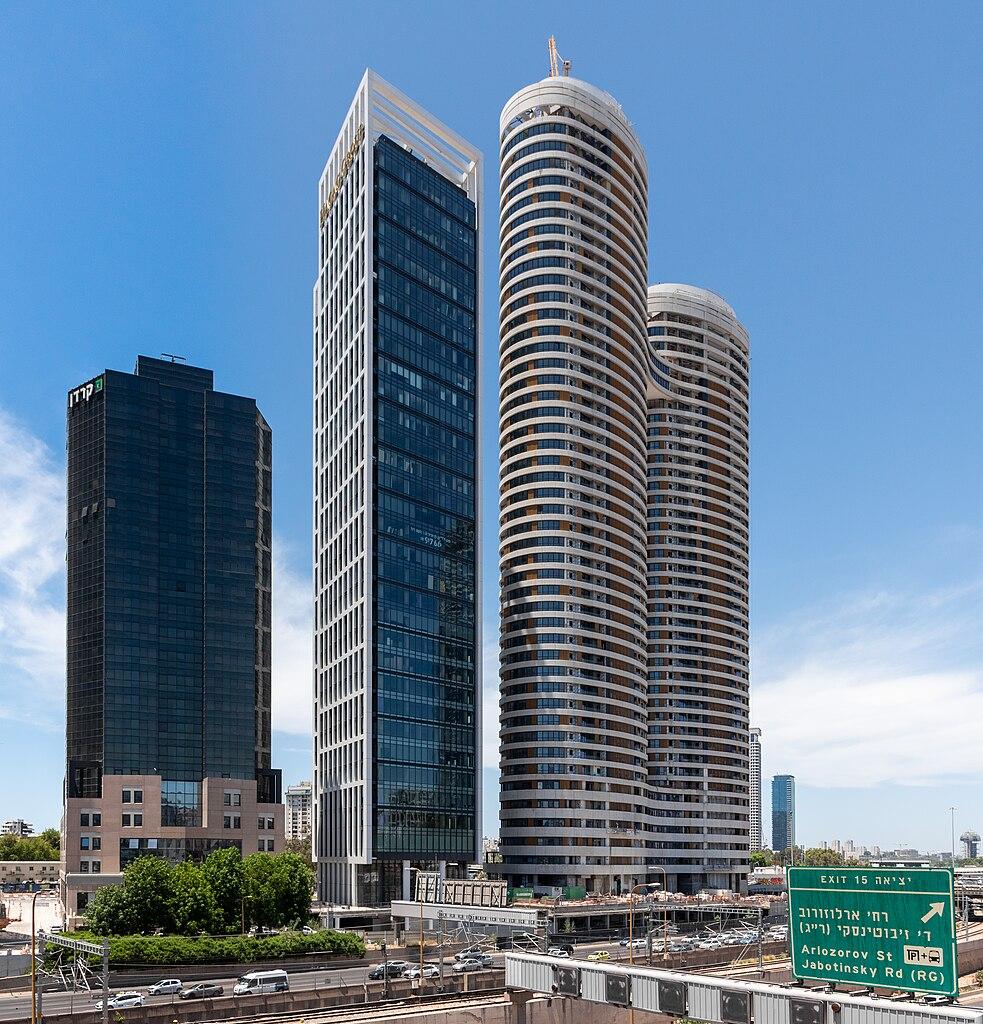
Tel Aviv Business District

Image: Tel Aviv Business District (Ynhockey – CC BY-SA 4.0)

Published: 20 May 2017

Last updated: 1 July 2026

Israel’s economy is a study in contrasts – The Economist 18.05.17
It is easy to be dazzled by Israel’s high-tech firms. In fact, the country has two separate economies. The dynamic, globalised startup nation accounts for only about a tenth of employment, whereas nine in ten Israelis work in something more akin to a left-behind nation that is inefficient and protected from competition.

And see:

Half of Israel to be Arab, ultra-Orthodox by 2059 – The Times of Israel 19.05.17
Figures show Israeli population will grow to 18 million in just over four decades, up from 8.6 million today.

The true price Israel pays for the occupation – Shlomo Swirski – +972 Magazine 17.05.17
‘Occupation maintenance’ is a very expensive enterprise, one that undermines economic growth and hampers the state’s ability to invest in development of the periphery, upgrade educational services, and raise the standard of living for all Israelis.

Related:

Review: The Silver Platter – A guide to Israeli reality

Israel is one of the most unequal nations in the OECD. Here’s why.
You might also like
  • The secret to successful Holocaust education
    Lauren Chalk & David Slucki
  • Antisemitism, homophobia and a radical response to both
    Dennis Altman
  • The evidence gap: how do we know what works in antisemitism education?
    Andrew Jakubowicz
logomark.67a07ee3
We believe in the free flow of information

Republish our articles for free, online or in print, by using our Creative Commons licence

You might also like

    Israel Hamas WarFeature

    Inside Hamas’s sophisticated spider web of tunnels

    TJI Wrap
    Web Banner – Andrew Casey Internship

    Andrew Casey Memorial Internship Program

    Paul Amato
    Jewish-diversity copy
    Feature

    The three questions that will define the Jewish future

    Shahar Burla 1

About the author

TJI Pick

TJI Pick

TJI Picks are curated articles selected by The Jewish Independent Editorial team.

More from the author

NewsAustralia

Australia votes for Palestinian sovereignty in occupied territories

NewsAustralia

Antisemitic vandal likely to avoid criminal conviction

AnalysisAustralia

Why police can’t stop neo-Nazis marching in Australia

OpinionIsrael

Treason, trauma, and how the war could end