Published: 8 January 2026
Last updated: 8 January 2026
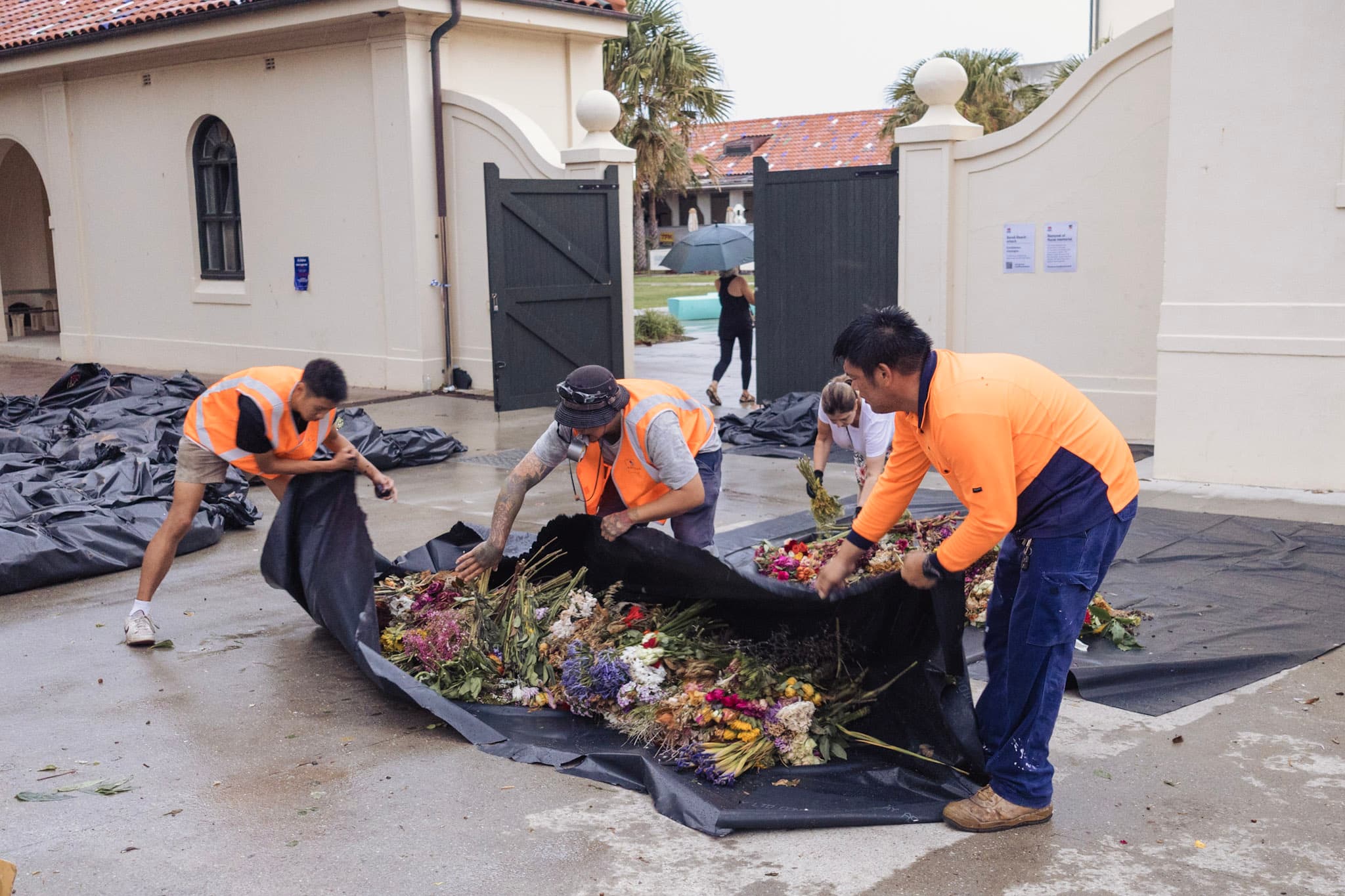
We gathered before daybreak among dying candles and the smell of flowers in various states of decay. Our task was to turn mourning into memory.
It was the eighth day after the Bondi Chanukah attack, the end of the seven days of deep mourning, and we were there to gather up the many tributes of the improvised Bondi memorial.
Among us were museum professionals and amateur historians, council workers, partners and friends. The Sydney Jewish Museum and Australian Jewish Historical Society led a team facing a deeply emotional but also technically demanding task: to preserve history as it happened.

How do we start collecting memory when the grief is still so raw? How can we begin to imagine the story we will tell in the future while so many of us are still grappling with heartbreak and rage? How do we think as historians when this chapter of our history is still unfolding.

The work of a memory institution is to sit in multiple time zones at once. We study the past to make it relevant in the present. And we collect in the present, imagining the way we will tell the story in the future.