Published: 25 October 2022
Last updated: 5 March 2024
Invited to read his poems at the synagogue in Stadthagen, near Hanover, MATI SHEMOELOF feels uneasy as the families of the town’s Jews come back to visit but not to live.
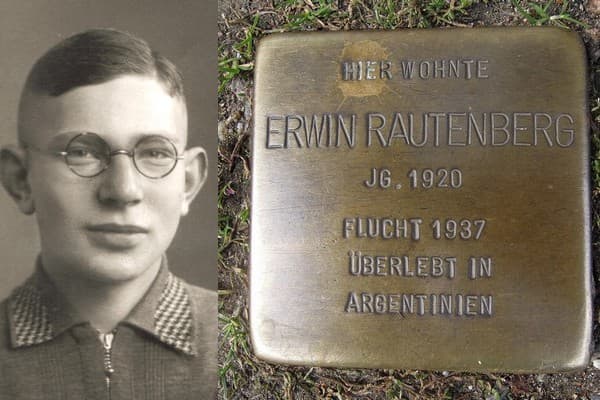
I am sitting in the Stadthagen synagogue surrounded by Germans young and old. The synagogue is lit up. Everywhere are photographs of former Jewish residents of Stadthagen, including Erwin Rautenberg. The synagogue was renovated thanks to his donations.
I am here to read my poetry, but all my thoughts are with the Jews who once prayed here. Can I read poems critical of Israel here? Perhaps this is not the time?
The story of my Arab-Jewish parents comes out in my songs or poems about exile and refugees. And I think, the countries my parents came from were closed to the Jewish-Arab community and we have no way to return. After World War II, the Jewish survivors of Stadthagen could have returned to this small town not far from Hanover.
According to local history books, one woman returned after the Holocaust but later emigrated to the US. She was the last Jew. This place is beautiful. Small streets with houses that have been preserved for hundreds of years.
I was invited here by the head of the local teachers’ union. So, I knew that there would also be teachers and students from the local school. I knew I was going to read in the local synagogue, but I did not know its story.
For hundreds of years the Jews of Stadthagen wanted a synagogue. But only in 1855 did they buy their own building. There was a community of about 60 Jews. Shortly after the transfer of power to the Nazis, antisemitic actions began. On the nights of November 9-10, 1938, synagogues were set on fire all over Germany. Kristallnacht came to Stadthagen two nights later.
On November 12, at about 4am, two women reported that there was a fire in the synagogue (they feared it would spread to their houses). The fire brigade extinguished the fire and there was little damage. But as a result of Kristallnacht and the following campaign of arrests, Stadthagen’s Jews were forced to leave their hometown. In 1933, there were 59 Jews living there. However, most of them were transported to concentration camps from 1941 and killed there.