Published: 8 October 2019
Last updated: 5 April 2024
MY FRIEND AMY was personally impacted by Hurricane Sandy, the deadliest and most destructive hurricane of the 2012 Atlantic hurricane season, but not in the way you might expect. In October that year, when the storm devastated the east coast of the United States, Amy lived in Belle Harbor, a neighbourhood in the New York borough of Queens.
Her home was flooded and her car destroyed. Her elderly parents, who lived nearby, were trapped in their apartment with no electricity or heat.
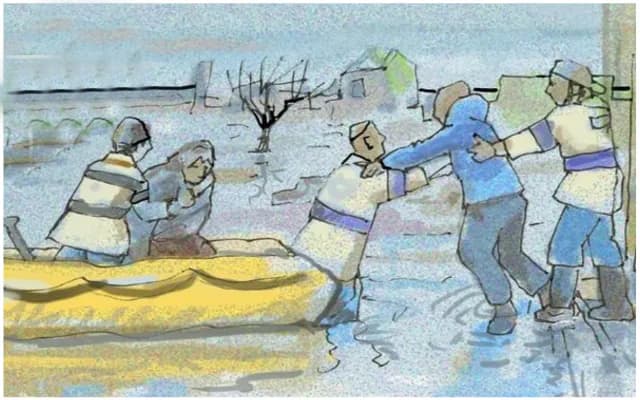
Within days congregants from North Shore Reform Synagogue, where Amy was working, came to the rescue. They evacuated Amy, her husband and her parents, and brought them to the synagogue. In addition to the relief Amy and her family received, she helped organise the synagogue as a warming centre for local residents who were without power because of the storm.
For a few nights the synagogue even served as an overnight shelter. Within days congregants found new homes for Amy and her parents and helped to furnish them. The community rallied in acts of solidarity and compassion.
At the time, scientists determined that the impact of Hurricane Sandy was worsened by a rise in sea level caused by the changing climate, and they described the storm as a “sneak peak of the future”. Now climate change is bringing more extreme weather across the globe and directly impacting Jewish communities.
Thousands of Jewish families lost their homes to Hurricane Harvey which brought catastrophic rainfall-triggered flooding to the Houston metropolitan area in 2017. The damage to Jewish institutions was also severe. According to the director of the Jewish Federation, the ongoing recovery will eventually cost $A60 to $A75 million. We also experienced in recent years the burning of summer camps, synagogues and schools in California wildfires.