Published: 17 August 2021
Last updated: 4 March 2024
RABBI SHNEUR RETI-WAKS: The ultra-Orthodox flout Covid lockdowns and hold onto archaic beliefs, but TV minimises their inspiring traditions; we need a more nuanced conversation
THERE IS RIGHT now a palpable, legitimate, and understandable outrage in our community. The revelations of secret minyanim and an illegal brazen engagement party have vividly exposed the hypocrisy, arrogance, double-standard, and profound dishonesty within the heart of the religious community.
I spend a lot of time in aged care facilities and contrasting their intense isolation during lockdowns with such flippant disregard, leaves me truly breathless.
But the great irony is that the people I know in that engagement party video clip are really good people. How then, we must ask, do good people behave so badly? My answer: they have some really bad ideas which makes it simply inevitable.
The following is an article I wrote last week before this latest episode. What’s transpired entirely substantiates my analysis. When a community creates a culture which places themselves above everyone else, their interests come first.
Since they also believe that their truth is the only truth and the whole truth, we need not abide by man-made laws prohibiting our minyanim and restricting our celebration of the very young Choson and Kallah, in which god himself is participating. Being two-faced about it is also no biggie. Since this is the work and will of God, the end justifies the means.
Dogmatic anti-rationalism does in fact lead directly to immorality.
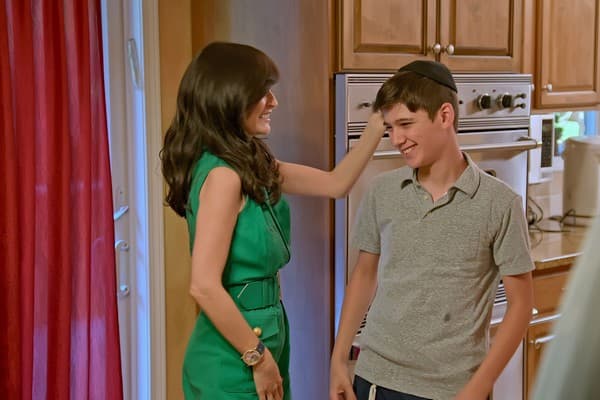
The recent Netflix series My Unorthodox Life has sparked a fresh round of the same old conversation. There are the critics of ultra-Orthodoxy who, with righteous indignation, decry the monstrosity of the system and call for its obliteration. And there are the apologists who decry the “Frum bashing” at the merest hint of an alternative perspective.
I even came across a comparison between the US productions of ultra-Orthodox life, which tend to be critical, and the Israeli productions, which tend to focus on the heart-warming elements. The insinuation and conversation it sparked perfectly illustrates this point. Why concentrate on the negative when there is so much positive in Chesed and Tzedekah?