Published: 6 August 2026
Last updated: 6 August 2026
As Neri Shotan, now CEO of the Kibbutz Movement Rehabilitation Fund, prepares to visit Sydney and Melbourne next week, he carries a two-part message arising from October 7: civil society and Diaspora Jewry played an indispensable role when the Israeli government failed to function, while Israel’s devastated kibbutzim can now share their hard-won lessons with Jewish communities confronting rising antisemitism and trauma.
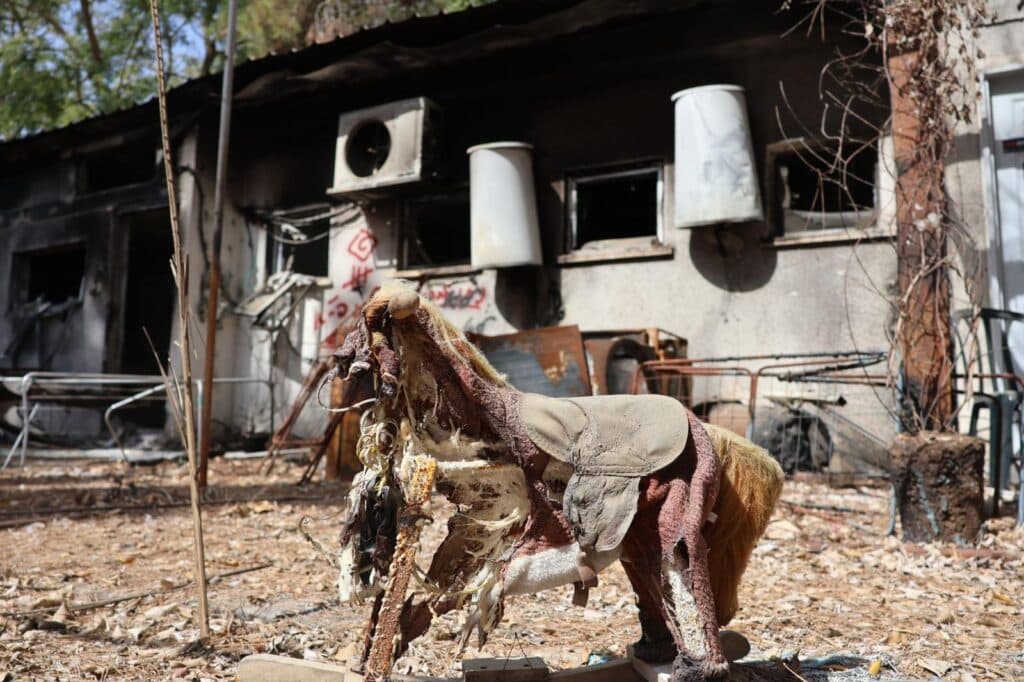
That message is rooted in the disproportionate toll the October 7 attacks and the war that followed have taken on Israel’s kibbutzim. Their locations near the country’s borders made southern communities immediate targets for Hamas terrorists and exposed those in the north to continuing attacks and displacement.
Some 300 kibbutz residents were murdered on October 7, while 150 of the 251 hostages were taken from kibbutzim. Twenty-two kibbutzim in the Western Negev and 19 in northern Israel were subsequently evacuated.
As the scale of the catastrophe became clear, so did the government’s inability to respond. The Kibbutz Movement stepped into the vacuum, establishing an emergency response system on October 7 and, just over two weeks later, the Kibbutz Movement Rehabilitation Fund.
Shotan, then responsible for government relations within the movement, became director of its emergency operations centre. Among his first responsibilities was arranging the temporary burial of hundreds of murdered kibbutz members. “We realised it would not be possible to bury members in their kibbutzim, so we had to arrange temporary burials,” Shotan told The Jewish Independent. Because temporary burial had not previously been permitted in Israel, he worked with the interior and religious services ministries to secure approval.