Dear Israel, we don’t care who your next prime minister is
Arab countries are sceptical a change of government will make any difference to the Israeli issues they consider important
Michal Yaari
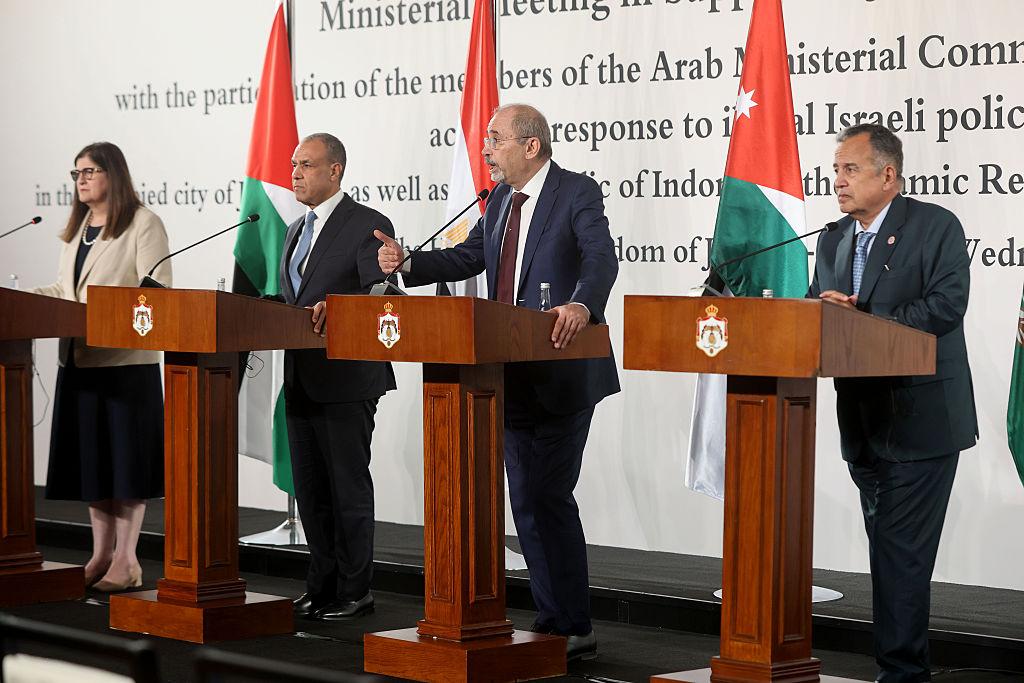
Jordan’s foreign minister Ayman Safadi (2nd from R), Egypt’s foreign minister Badr Abdelatty (3rd from R), Palestinian foreign minister Varsen Aghabekian (L) and the Arab league secretary general Nabil Fahmy (R) at a media conference following a meeting of Arab foreign ministers in Jordan in August 2026 (Salah Malkawi/Getty Images)
Published: 10 November 2026
Last updated: 10 November 2026
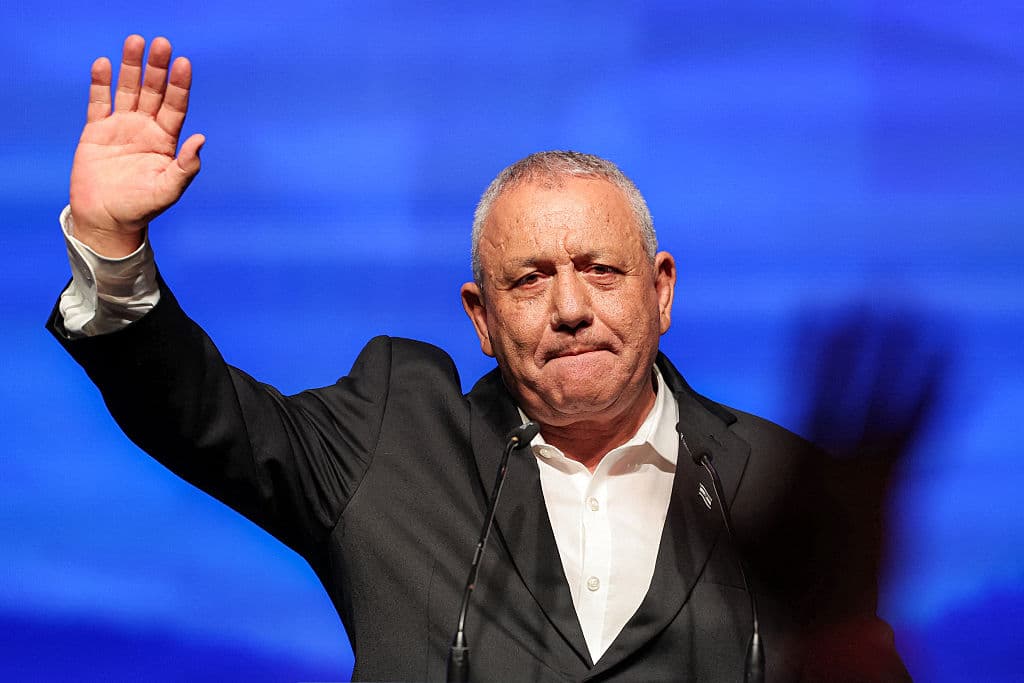
How can you tell that the Arab world has had enough of Israeli politicians? Because no one really cares whether Israel’s next prime minister will be Netanyahu or Eisenkot. What matters is whether the next leader will continue Bibi’s legacy of nurturing radicalism and destabilising the Middle East, or choose a different path.
Arab leaders are running out of time and patience. For too long, and especially since October 7, it has become painfully clear that the violent clashes between Israel and the Palestinians are not merely a conflict between two rival sides, but a bleeding, unresolved conflict that undermines any chance of prosperity in the region. Add to that the war with Iran, imposed on the Arab world by Israeli and US military actions, which has left Arab countries among its primary victims.
If there is one clear conclusion Arab leaders have drawn from the past three years, it is that Israel has become trapped by its own power. Instead of using its military capabilities solely to protect its citizens, Israel has fallen in love with its own supremacy, using it to pursue a fanatical and violent policy that destroys any chance of warming relations with its neighbours.
So, what does Israel’s record look like through Arab eyes as it struggles to put together its next government?
First, relations with Egypt and Jordan are at their lowest point. Yes, strategic cooperation continues, but the once-close working relations have been tossed into the dustbin of history.
Second, the Israeli government and its leader are supporting Jewish terrorism in the West Bank. Acts of horrific violence are becoming more frequent and severe, and little is being done to stop them.
Third, some in Israel seem to welcome Saudi Arabia's struggle to defend itself against Houthi attacks, believing that it gives Israel leverage to push Saudi Arabia toward normalisation on terms the Saudis would otherwise never accept, simply because the kingdom needs Israel's strategic support.
This is hardly a promising starting point for a new Israeli government seeking to repair relations with the Arab world. There is so much to fix that it is almost impossible to imagine that the next prime minister, even with the best intentions, could truly bring about the much-needed change.
The Arab world's low expectations of Israeli politicians should have translated into little interest in Israel’s electoral process. Yet the exact opposite happened. The Arab media covered the election campaign daily, demonstrating an exceptional grasp of the complexities and nuances of Israeli politics. On Election Day, special broadcasts were devoted to analysing the latest developments and possible election outcomes, with split screens and commentators providing live analysis throughout the day. Asharq Al-Awsat, the Saudi-owned newspaper published in London, featured a photo of Netanyahu and his wife voting, alongside a separate photo of Eisenkot at the polling station. The Arab world was watching closely as Israel decided what kind of country it wanted to be.
So, what now? In the eyes of the Arab world, what matters is not who the next prime minister will be or what the new government will look like, but what policies it intends to pursue. There is no patience left for empty words. Only actions count. In that sense, Israeli decision-makers will be judged by their actions in four key areas:
First, Israel’s strategy toward the Palestinians
The belief that Israel could buy stability and quiet by bribing Hamas with Qatari money has collapsed. But has Israel also abandoned the belief that the Israeli-Palestinian conflict can be managed rather than resolved? If not, don’t bother calling us, the Saudis, to discuss normalisation. We simply won’t pick up the phone. And don’t even approach us if you are unwilling to consider peaceful ways to ease the situation in Gaza.
Second, Israel’s approach to the West Bank
The official policy of Netanyahu’s government has been to support and encourage the expansion of Jewish settlements. Now is the time to put an end to it. A new chapter in relations with Jordan can only begin if Israel takes concrete steps to stop Jewish settlers from seizing Palestinian land and property. Above all, it must take decisive action to stop settler violence against Palestinians in the West Bank and ensure that those responsible are held accountable. Moreover, the new government must enforce the status quo at the Temple Mount and take action against those who violate it, particularly members of the Knesset and government ministers.
Third, Israel’s approach to the humanitarian crisis in Gaza
Israel must abandon its wishful thinking that the humanitarian crisis in Gaza can be resolved by transferring Gaza's residents to Egypt. Such a plan would never work and would only further damage Israel's already strained relations with President el-Sisi.
Fourth, Israel’s approach toward Iran
Yes, Iran is the devil himself. But does that give Israel the right to launch military strikes against Iran whenever it feels like it, without even consulting the Arab world? No way. We, the Arab leaders, have paid a heavy and unacceptable price for Israel’s belief that the Iranian threat can only be dealt with by force. Negotiations, even if far from ideal, offer a better way to prevent further escalation.
At the end of the day, once the election dust has settled, Israel’s next leadership will have to answer one simple question: Do you see Arab leaders as potential and necessary partners, or do you think you can manage without them? Cooperation between Israel and its neighbours is the most essential tool for navigating the troubled waters of the Middle East, and the next Israeli government will need to be willing to make sacrifices to achieve it.
About the author
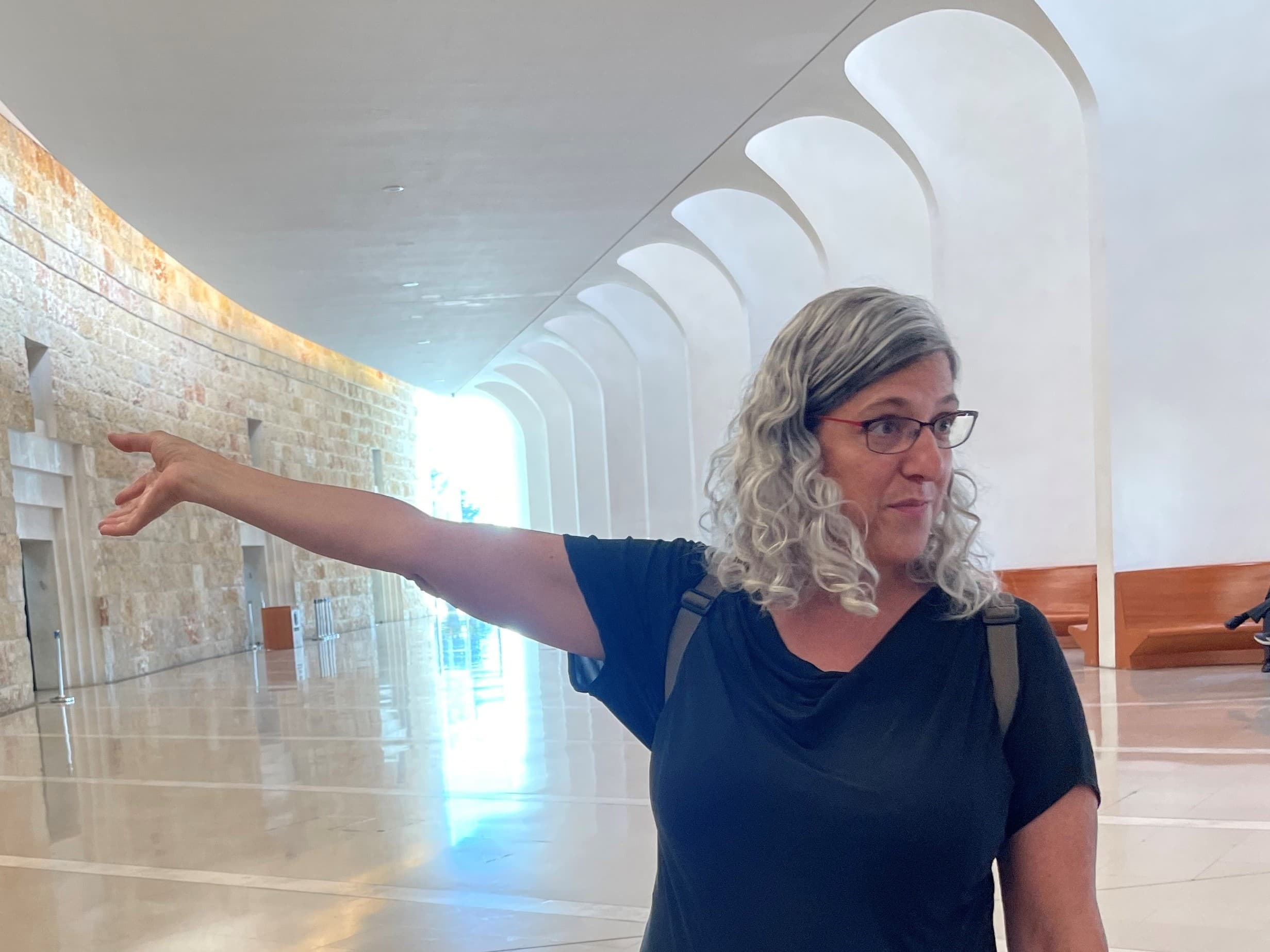
Dr Michal Yaari, an expert on Saudi foreign policy at Tel Aviv University, is a member of the panel of experts at the Israeli Peace Initiative, an Israeli non-profit dedicated to promoting a regional peace agreement.