Published: 25 November 2026
Last updated: 25 November 2026
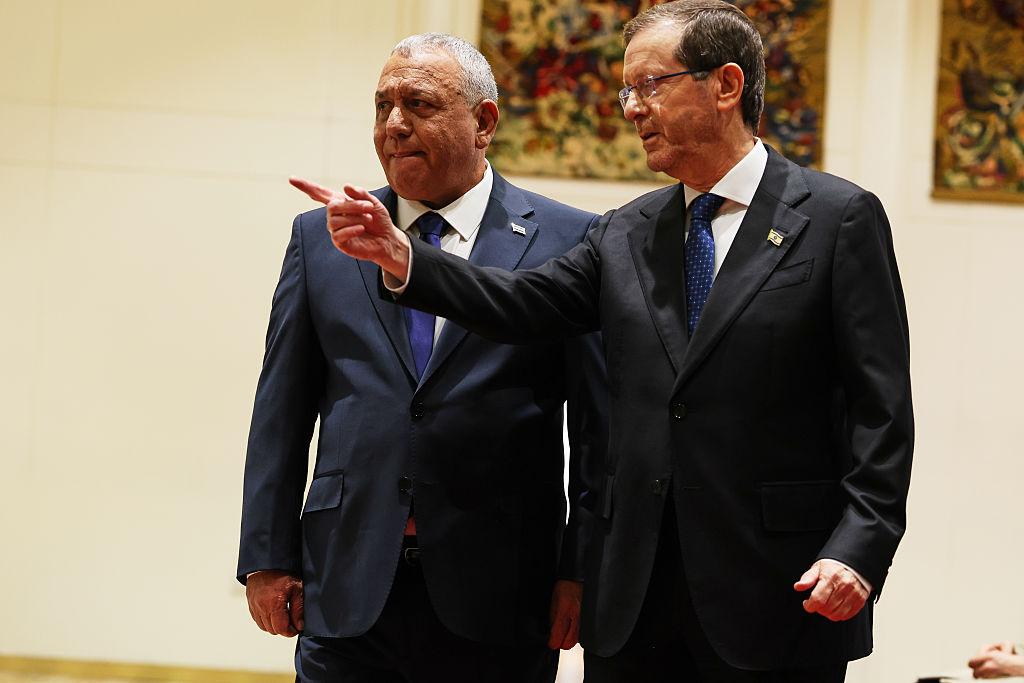
A month has passed since Israel’s heated elections, and so far, the Change bloc, headed by Gadi Eisenkot, has found it difficult to translate its 67-seat majority in the Knesset into a viable governing coalition.
The key factor in the current political paralysis is the fact that 19 of those 67 seats belong to Arab parties, following the historically unprecedented highest Arab voter turnout on election day.
Benjamin Netanyahu now faces the possibility of losing control of government and seems prepared to use any measure to prevent it. He has been exposed as covertly manipulating election results and is pressuring Trump to resume the war with Iran based on questionable intelligence – a move that would create a national emergency and would lead to postponing a change of government.
But perhaps most concerning is an overt campaign to delegitimise any partnership between Gadi Eisenkot and the Arab parties.
Netanyahu and his cronies clearly consider this kind of coalition as a scenario that must be thwarted. If they do not succeed via rhetoric, there is a danger that right-wing extremists will seek to use violence.
In the intense political discourse, some are already portraying a government led by Eisenkot with Arab support as a “government of treason”. A Likud minister described it as a “government supported by Israel’s enemies”. A group of right-wing rabbis openly called such a government a “terrible crime”, while another prominent rabbi claimed that such a move would be “immoral and constitute a direct violation of the Jewish identity of the State of Israel”.
During Eisenkot's tenure as IDF chief of staff, the slogan ‘Gadi, beware – Rabin is waiting for a friend’ was used