Published: 22 June 2026
Last updated: 25 June 2026
I remember crying hysterically to my mum at age 15 because I couldn't wear a bikini. There was nothing stopping me from wearing a bikini except myself.
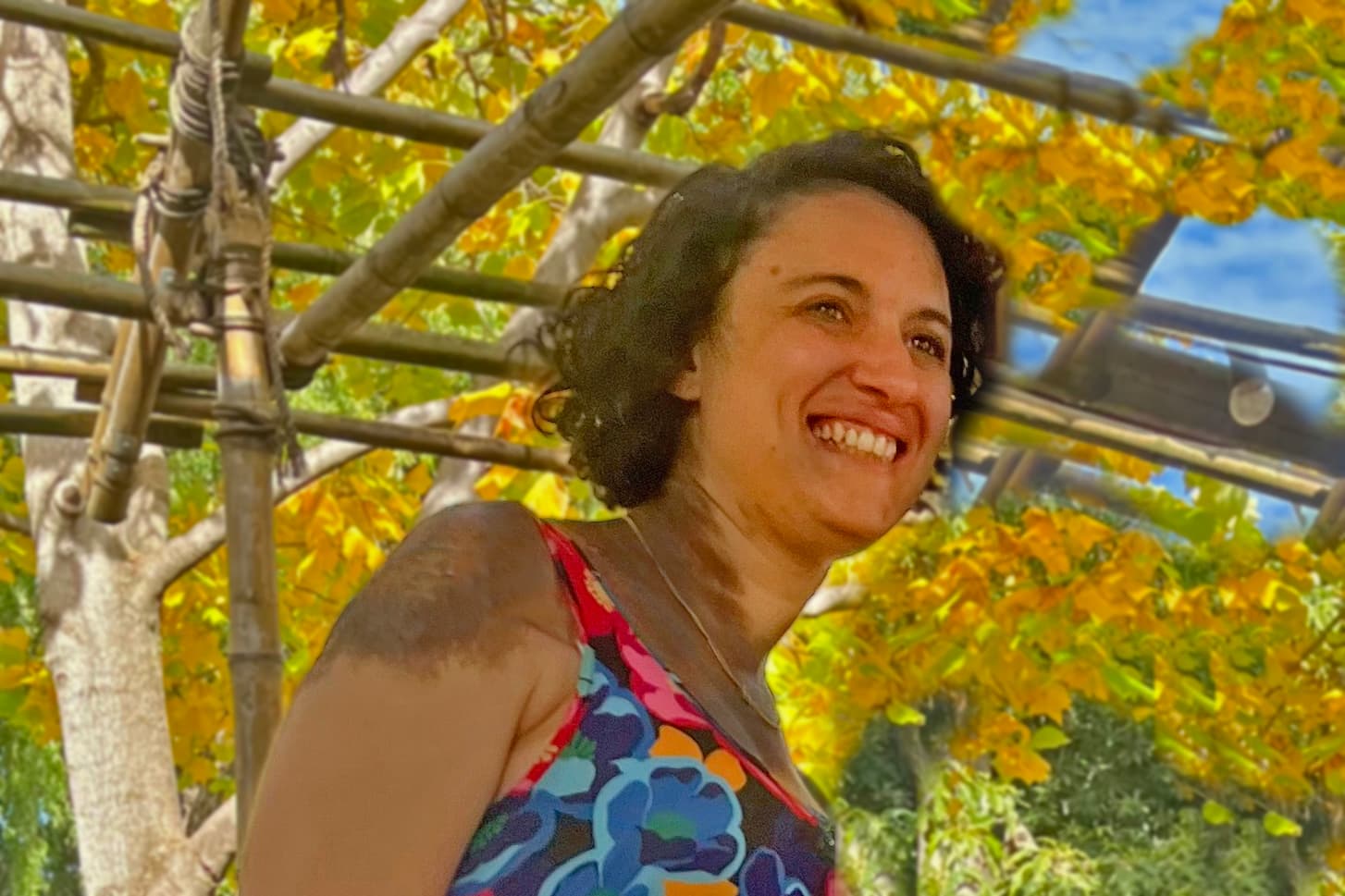
I was born with a giant birthmark, technically, called a nevus, caused by Congenital Melanocytic Nevus (CMN). It covers my neck, chest, shoulders, and half my back.
For most of my life, I hid my nevus beneath high-necked clothing, custom-made bathers and, later, professional makeup. Only in the past year, in the twilight of my 30s, have I felt comfortable showing much of it.
People stare when they see my birthmark, but rarely say anything. Only children tend to ask questions.
However, having a visible difference has made me consider the parallels with exposing our Jewishness. How would I feel if my Jewish identity were as visible as my birthmark? Has the experience of visible Jewishness changed since October 7, 2023? Those of us who live with both physical differences and Jewish identity can bring a particular perspective to the increasingly fraught issue of Jewish visibility.

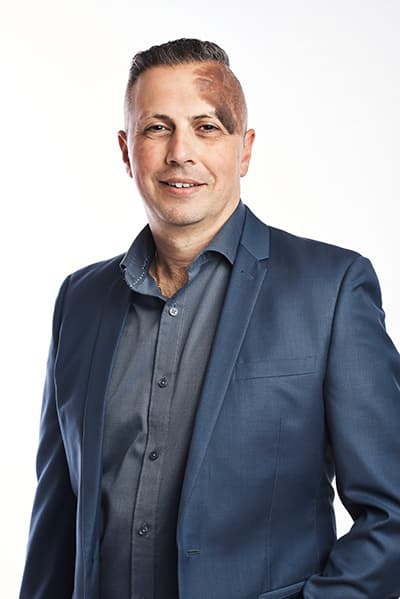
Daniel Rosenbaum lives with Klippel-Trenaunay-Weber Syndrome, a rare condition that causes a prominent port-wine stain across much of his face and body. He is also visibly Jewish, as he wears a kippah every day, which is particularly unusual in New Zealand where he lives.
He says he faces little negativity and has not noticed a change in recent years, perhaps because he was already visibly different both physically and culturally.