Published: 9 January 2025
Last updated: 10 January 2025
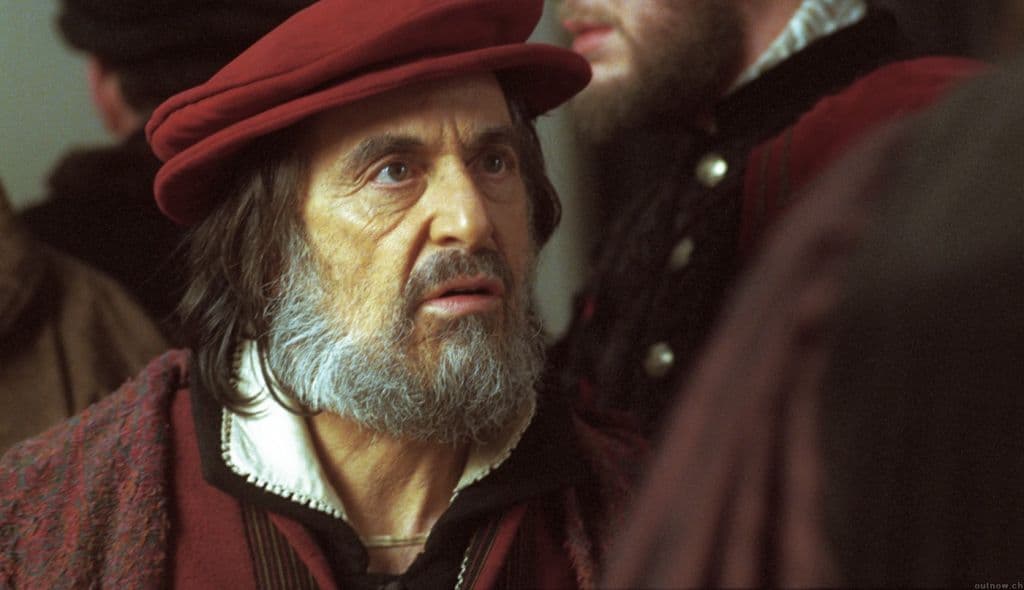
How is it possible that the world’s most consumed and admired writer, whose works encompass the human condition like no other, also created the antisemitic character named Shylock - a Jew who oozes greed and deceit, scheming murder and revenge, his soul deformed and heartless?
The Shakespeare scholar Harold Bloom concedes that “one would have to be deaf dumb and blind not to see the play is fundamentally antisemitic”, but argues that, despite the antisemitism of his time, Shakespeare’s irrepressible dramatic instincts have endowed Shylock with at least some noble qualities, and for this the author should be given credit.
Who is Shylock and do we really know him? We know the context in which the play was written; the widespread antisemitism and the brutal state censorship. Which raises a crucial question - was Shakespeare free to write what he wanted to?
If the effect of censorship had been considered by Harold Bloom or any others among the multitudes of Shakespeare experts, they would have found that Shakespeare was not an antisemite, but that he was forced to disguise Shylock’s real character to avoid the same fate as other writers of the time. Christopher Marlowe, Ben Jonson, Thomas Kyd, Thomas Nashe and Robert Green were each imprisoned, tortured or died for various violations of the censor's rules. The dots join themselves. Shakespeare could not openly portray Shylock as a Jewish hero defending his nation’s dignity because the censors would have taken this as a heretical and seditious threat to the existing order, punishable by death.
So if not openly, did Shakespeare secretly embed this forbidden story into The Merchant of Venice? Did he cunningly weave it into the script like many other heroes and martyrs did, writing under repressive regimes - like Vaclev Haval in his “Letters to Olga” written from prison to his wife after the Soviet repression of the ‘Prague Spring’, or like the dissident poets under Stalin, or currently in China, Turkey, Iran?