Published: 21 February 2024
Last updated: 21 March 2024
TAMI SUSSMAN sits down for a frank chat with MARINA KAMENEV about her new book on the changing nature of family and the choices now open to us.
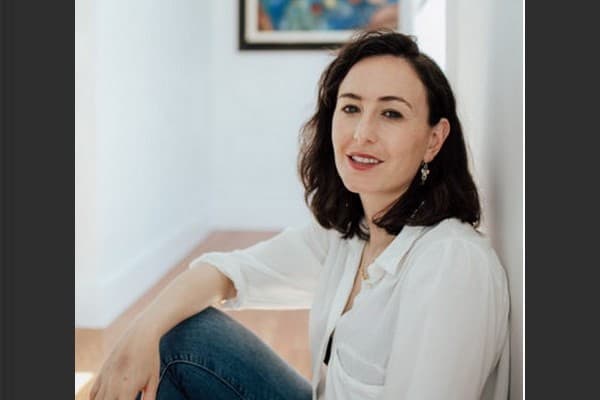
Marina Kamenev is a journalist and former deputy arts editor at The Moscow Times with an interest in family, ethics, and assisted reproduction. She was born in Belgorod, Russia and moved to Australia when she was six years old. Marina lives in Sydney with her husband and their two children.
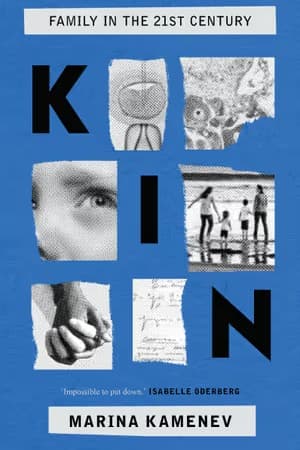
Her upcoming book Kin “demonstrates how society’s understanding of family has changed through the generations and what it might mean now and is a forensically researched book that’s impossible to put down,” according to fellow author and journalist Isabelle Oderberg.
As someone who has put a great deal of deliberation into family planning (and with loved ones currently going through fertility treatment), I thought I knew all there was to know about the ethics of making a modern-day family - yet I was surprised to have had so many ‘Wow, I never considered that’ moments while reading Kin.
I recently had the opportunity to sit down with Marina to unpack the juiciest and “Jewiest” parts of the book.
The introduction of Kin invites readers to imagine themselves drawing a typical family. You write, "If I had to make a wager, I would bet that the typical family you have in mind, the one you’ve drawn, is a nuclear one: a heterosexual couple and their children.”
I knew that’s what most people would think of because that’s what we’ve been taught a family looks like. That configuration or paradigm of the “traditional family” is imprinted in our collective subconscious - or at least the western collective subconscious - and has remained that way for decades. Weirdly, if there’s one child, people often query why that child doesn’t have a sibling, and when there are more than three children that also raises eyebrows.