Aa
  • Read, Watch, Listen
  • TJI Series
  • Community Action
  • Events
  • Zedi
Follow us and continue the conversation
  • LinkedIn
  • Instagram
  • FaceBook
  • X
  • YouTube
Test yourself with the TJI Quiz!

Adjust size of text

Aa

Follow us and continue the conversation

  • LinkedIn
  • Instagram
  • FaceBook
  • X
  • YouTube

Your saved articles

You haven't saved any articles

What are you looking for?

Original reporting, insightful analysis and diverse views, delivered straight to your inbox

  • LinkedIn
  • Instagram
  • FaceBook
  • X
  • YouTube
Your support fuels our mission to inform, entertain and inspire.

The Jewish Independent is bound by the Standards of Practice of the Australian Press Council. If you believe the Standards may have been breached, you may approach The Jewish Independent or make a complaint to the Australian Press Council in writing at www.presscouncil.org.au. The Council may also be contacted on 1800 025 712.

  • Our Story
  • Contact us
  • Our Team
  • Support us
  • Guidelines
  • Pitch your idea
  • Republishing us
  • Community Action
  • Our Awards
  • LinkedIn
  • Instagram
  • FaceBook
  • X
  • YouTube
Aboriginal FlagTorres Strait Islanders Flag

The Jewish Independent acknowledges Aboriginal and Torres Strait Islander peoples as the Traditional Owners and Custodians of Country throughout Australia. We pay our respects to Elders past and present, and strive to honour their rich history of storytelling in our work and mission.

© The Jewish Independent 2026All Rights Reserved
Website design and development by Your Creative, MelbourneTerms & ConditionsPrivacy Policy
HomeRead, Watch, ListenWorld
World

INTRODUCTION: A window of repair for the planet

Elan Ezrachi
Print this

Published: 27 September 2019

Last updated: 4 March 2024

THE HIGH HOLY DAYS are closely associated with food - festive meals, special traditional dishes and colourful rituals such as dipping apples in honey. Traditions from East and West infuse the High Holy Days with activities that involve offerings, blessings and eating special food. All our senses are activated. Refraining from eating on Yom Kippur also reminds us about food.

The food-related practices emphasise abundance, elegance, a sense of achievement and the licence to splurge on high quantities and expensive items. The pomegranate, with its myriad seeds, is the beloved fruit symbolising the season of plenty. The celebratory expression involves eating costly animal delicacies: beef brisket, lamb and fish.

On the table we place silver cups and other Judaica objects, imported goods, expensive wines and more. And once we are seated around the elegant table, we show off our new wardrobe of fancy clothes, shoes and jewellery. Gifts are often exchanged. A similar mindset occurs around the celebration of Passover.

In big families and community gatherings, we also tend to use throwaway goods and create a huge amount of waste. These are all common ways Jews practice their holidays and traditions.

From reading through the powerful set of articles in this publication, it appears that we need to reconsider these practices. Almost every activity mentioned involves consumption, or rather, overconsumption. And even though the High Holy Days are a “once-a-year” symbolic activity, it is important that the message of concern and restraint starts here. The state of the planet requires significant lifestyle changes, holidays included.

Although we know we can change our habits to make a difference, there is also a broader question raised by the reflective climate of the New Year: is there an obligation on Jews to make a difference?

As we all know, the climate crisis is a global crisis. What can a small and scattered group like the Jewish people do? Our contributors, from Australia, Israel, Europe and the US, think Jews have an important role to play. Jews can make a difference in specific channels of classical and contemporary ideas as well as in actions.

Moreover, they offer a range of precedents, rooted within our foundation texts, articulating the Biblical imperative to practice responsible stewardship of the earth.

Fast forward to modern Israel, that tiny country in the Middle East which may not consciously invoke the Bible in its environmental pioneering but is undeniably making a difference: desalination plants, solar energy and drip irrigation – these are all innovations that stem from Israel and affect the entire world (this does not preclude the fact that in Israel and in the occupied territories there is much work needed at the local level).

Our contributors address many of these issues. They are spiritual leaders, social activists, business leaders and politicians. They reflect on global trends as well as on local communities and personal lifestyles. They agree that though the planet is on the verge of a catastrophe, there is a window of repair. And they add a Jewish perspective.

The liturgy on Rosh Hashana is a re-enactment of Creation, Ha-Yom Harat Olam (today the world was created). The implicit message is that God began the process and humans are assigned to be the custodians of Creation. Our special publication raises a set of ideas and practices that apply to our day-to-day living and suggests that we can and must have an impact on the entire world.

L’Shana Tova, Elan Ezrachi
You might also like
  • ‘A WORK IN PROGRESS’: High Holy Days series on women, feminism and Jewish life
    TJI Pick
  • YEAR OF THE MASK: High Holy Days special series on Covid and Jewish life
    TJI Pick
  • ‘Embarrassment mixed with despair’: How US liberal Jews feel about Trump and Israel
    Elan Ezrachi
logomark.67a07ee3
We believe in the free flow of information

Republish our articles for free, online or in print, by using our Creative Commons licence

You might also like

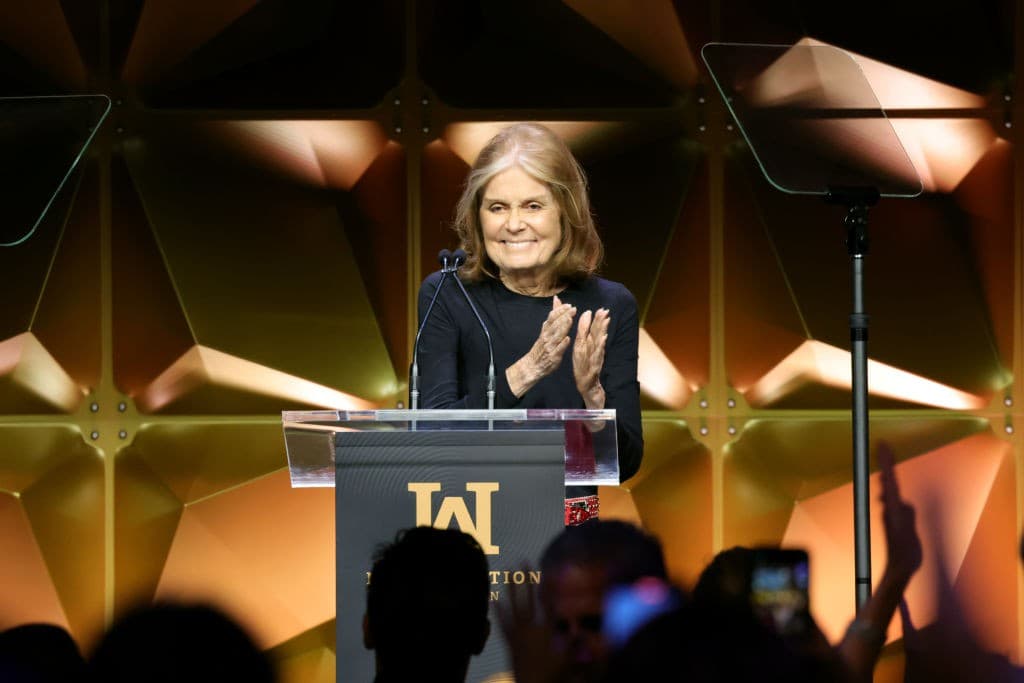
    Ms. Foundation Women of Vision Awards: Celebrating Generations of Progress & Power
    ReflectionWorld

    My memory of Gloria Steinem

    Michael Visontay
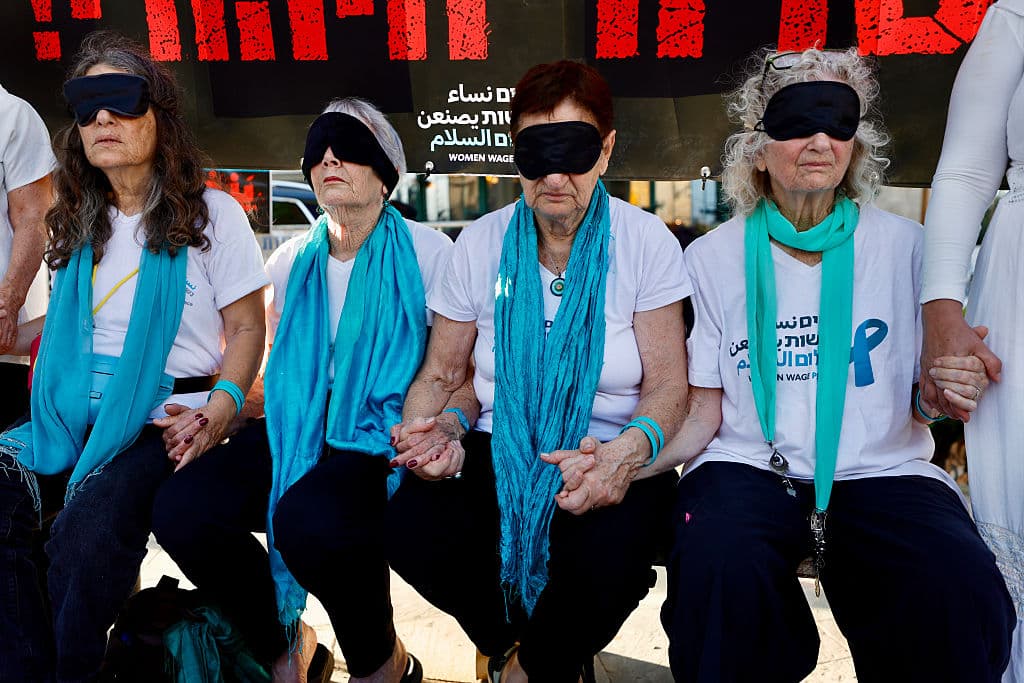
    Protest against settler violence in Jerusalem
    DebateAustralia

    Sanctioning settlements is a defence of Israel, not an attack

    Elisheva Madar 3
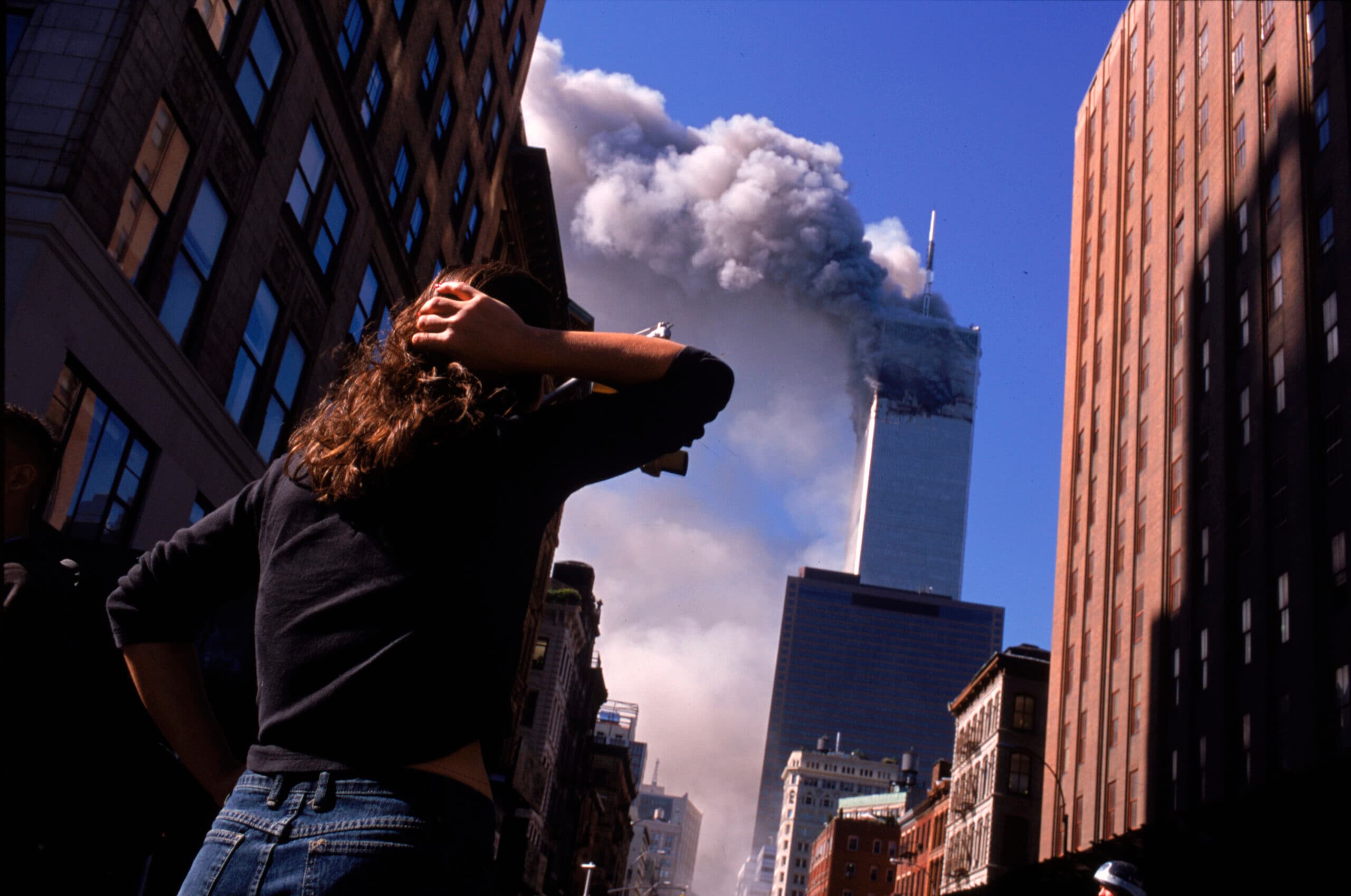
    Shocked New Yorker Watches the World Trade Center on September 11, 2001
    ReflectionWorld

    A new generation reckons with 9/11

    Gideon Cohen

About the author

Elan Ezrachi

Elan Ezrachi

Elan Ezrachi, PhD, is a native of Jerusalem and a third generation resident of the Rehavia neighbourhood; an educator, specialist in Jewish Peoplehood and Israel-Diaspora relations; a social activist promoting pluralism and community in Jerusalem. He is the author of ‘Awakened Dream – 50 Years of Complex Unification of Jerusalem',

More from the author

OpinionIsrael

Israelis are rediscovering their connection to world Jewry

World

For We Were Strangers: 2022 High Holyday supplement

Australia

‘Let’s open up the conversation about Zionism’