Published: 23 May 2024
Last updated: 6 September 2024
For years, many in Israel and the West have been in the habit of viewing Hamas as a “historical road accident”: An organisation that owes its existence to grave political errors, committed primarily by Israel.
Israel is argued to have groomed Hamas as a counterweight for the PLO back in the 1980s, and it is further contended that its policy of refraining from advancing the peace negotiations, while weakening the Palestinian Authority, fuels this terror organisation’s clout as it currently dominates the Palestinian system.
While not wrong, these assertions are skewed by egocentricity, namely the tendency to view Israel as the cause of most shifts taking place in the Middle East.
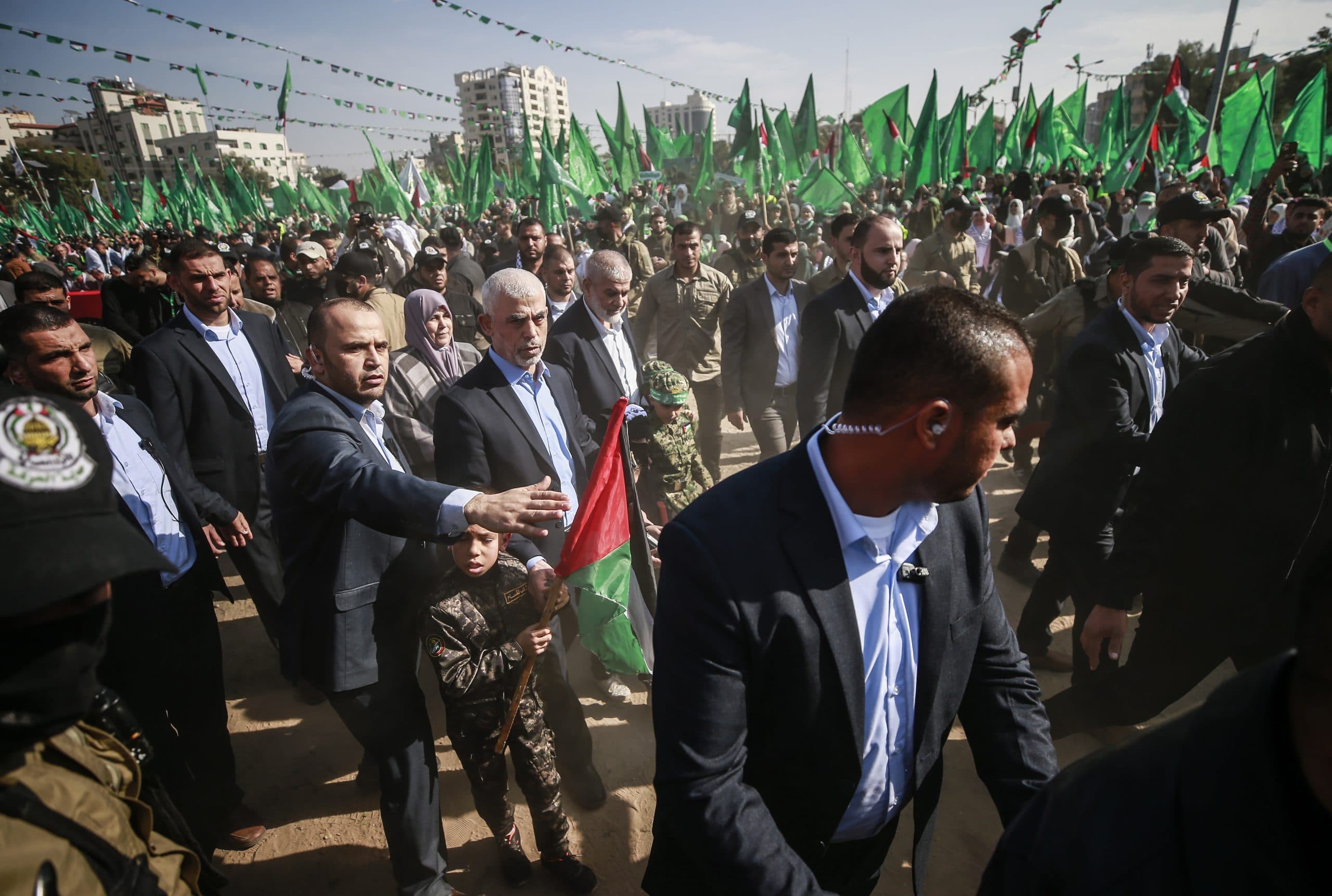
Hamas is a natural product of Palestinian history. Its roots were put down decades before the peace talks began in the Middle East, and even before the State of Israel was established. It reflects profound social, political and cultural trends, led by widespread public identification with radical Islam alongside a growing collective frustration with the PLO that had represented and led the Palestinians for many years.
The October 7 attack, and the ensuing war, is the most dramatic step taken by Hamas since its inception, and the strongest blow delivered by the Palestinians to Israel, which regarded them as a relatively weak challenge.
Hamas claims to be a Muslim Brotherhood affiliate (branches of said movement were set up in Mandatory Palestine back in the 1940s), but one that uniquely struggles against an external enemy. Alongside its primary effort to change society by offering robust civil infrastructures (Da’awa) – an aim shared by all Muslim Brotherhood affiliates worldwide – Hamas also engages in military Jihad that ultimately seeks to annihilate Israel and establish a Palestinian state from the river to the sea.



Comments
No comments on this article yet. Be the first to add your thoughts.