Published: 22 September 2026
Last updated: 22 September 2026
“No one came to look us in the eye.”
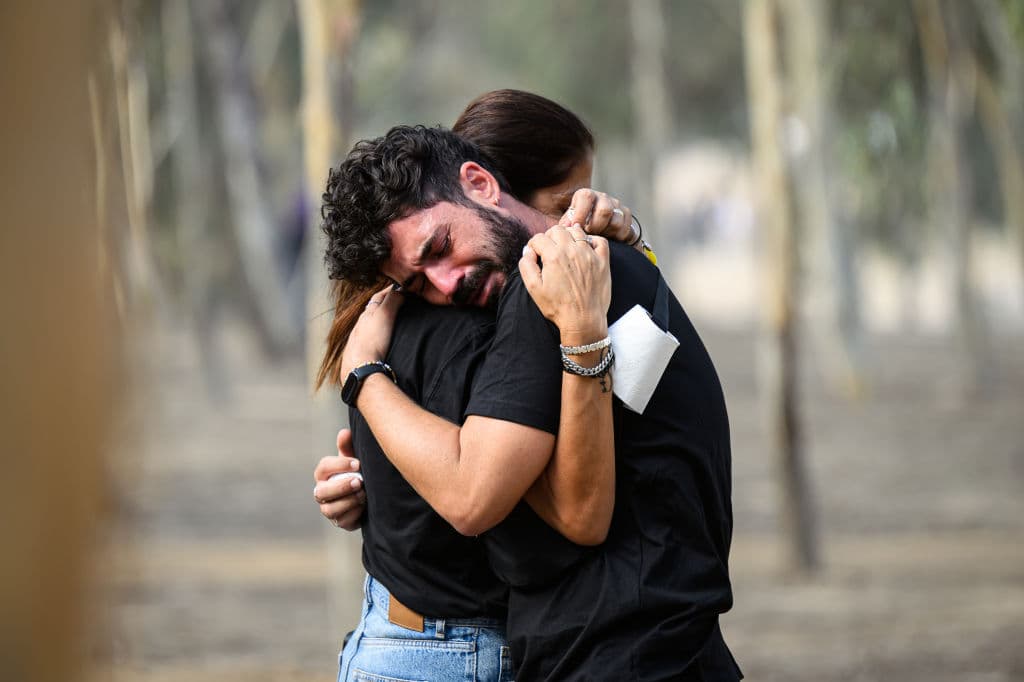
These are the words of Elana Kaminka, whoses son Yannai was killed on October 7, fighting Hamas terrorists as they attacked the kibbutzim of southern Israel.
When I interviewed Elana for my documentary RISING: Voices of Protest and Hope, she spoke not only about the unbearable loss of her son, but about what happened afterwards.
Not one person from the government came to visit the family. Not one government representative came to take responsibility for what had happened to her son and her country.
As Israel approaches a fateful election after three extraordinarily difficult years, a question confronts the country: what kind of leadership does a wounded society need in order to heal?
It is a question I found myself returning to throughout the making of RISING, as we followed Israelis navigating grief, trauma, protest and civic responsibility through one of the most turbulent periods in the country’s history.
Professor Nathaniel Laor, an Israeli psychiatrist and one of the country’s leading experts on collective trauma and community resilience, offered an image shortly after October 7 that has stayed with me.
Drawing on the psychoanalyst Donald Winnicott, he described a mother supporting the head of a baby as she feeds her. If that support suddenly gives way, what is shattered is not only physical safety. Something more fundamental is broken: the experience of being held.