Published: 17 September 2024
Last updated: 16 September 2024
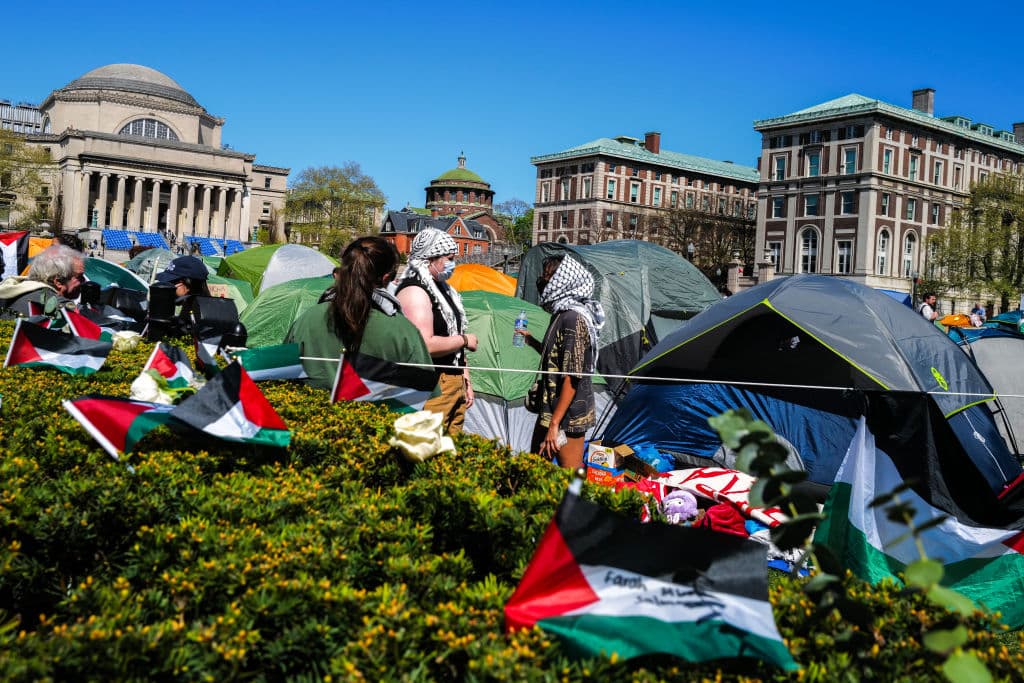
What a difference a summer can make. In May, Jodi Rudoren, editor of The Forward, described how “it feels like a massive understatement to say that the pro-Palestine protests on Yale and other campuses nationwide spun out of control this week. Some 2,000 people have been arrested at dozens of schools across the country. Finals are being cancelled or postponed.”
Indeed, it is hard to forget the campus upheavals of the 2023-24 academic year, the exclusion and harassment of Jewish students, and the blatant and thinly-veiled antisemitic sloganeering.
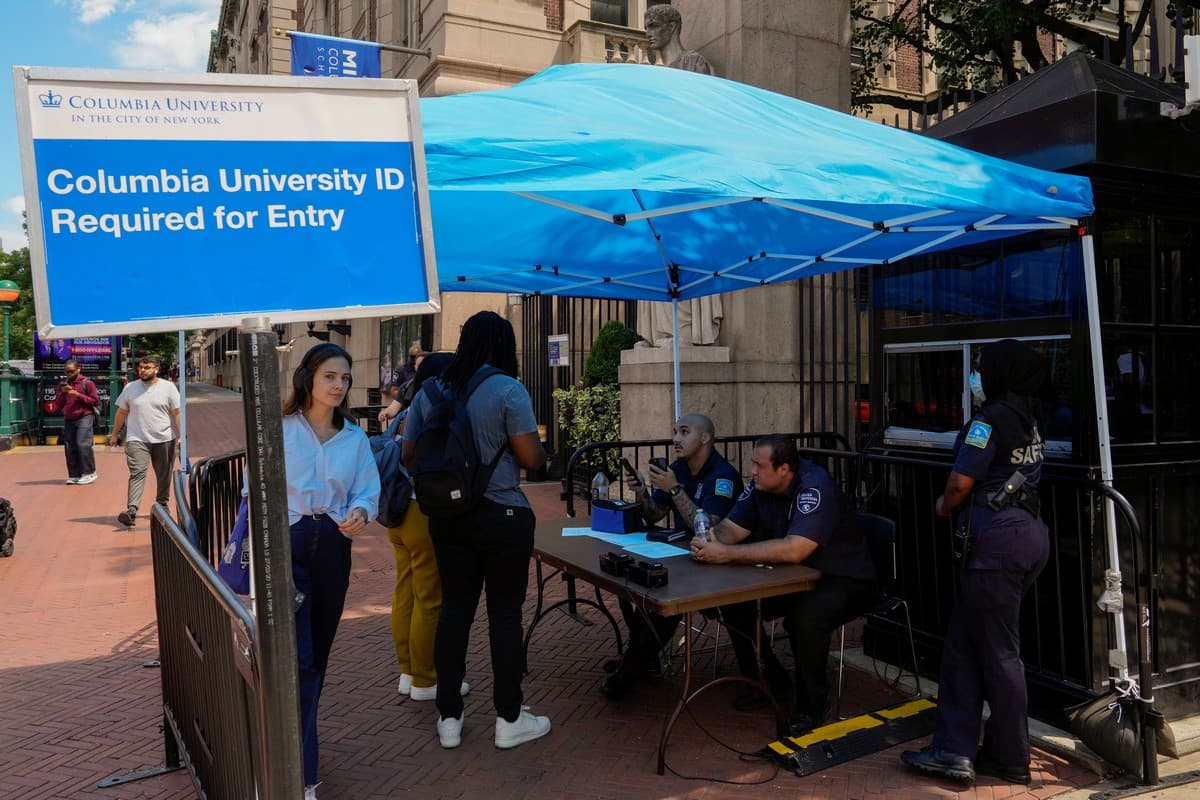
Yet, as the new year opens in the US, Rudoren wrote of a campus tour of Brown University where “there was nary a sign of the encampment or hunger strike protesting Israel’s war in Gaza that had roiled the place last spring. No Palestinian flags, no graffiti about genocide.
“The only signs I saw on the main quad warned those gathered for orientation programs that photos were being taken to commemorate the proceedings. Oh, and a bunch of bulletin boards had fliers advertising Shabbat dinners.”
This change reflects not only the cooling-off period provided by summer break and 10-12 weeks away from campus, but also the nature of the process of university education itself.

Comments
No comments on this article yet. Be the first to add your thoughts.