Published: 1 October 2019
Last updated: 5 April 2024
“HEY BUD, WHAT PART of your Torah portion are you thinking of writing about? What’s interesting to you in B’ha’alotcha?” My son Amichai’s barmitzvah was coming up. As his mother and a rabbi, I wanted to help him develop a meaningful barmitzvah D’var Torah, where he would mine our tradition to further his thinking on issues that concern him and impact his behaviour, and in turn allow him to teach and inspire our community.
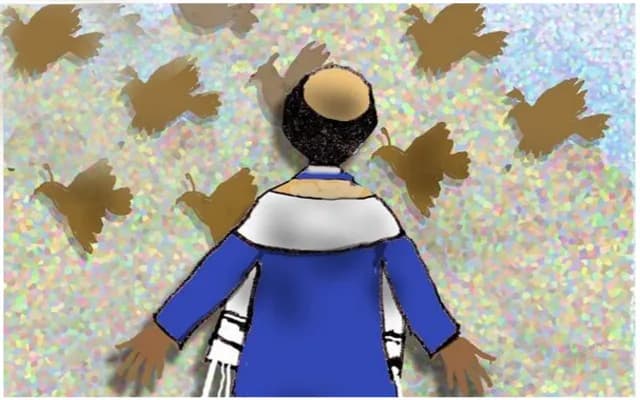
Ami had a quick answer. “The quail!
Did you know that the Israelites said they wanted to go back to Egypt because they missed having free meat, so God gave them crazy amounts of quail. They ate it and then died of a plague. It makes no sense,” he shouted. Then, he asked a compelling question: “Why would God give them what they want and then kill them for taking it?”
Our synagogue rabbi-educator had helped Ami use Sefaria.org to find rabbinic answers and when he returned to the site, he found Rashi’s teaching that the Israelites begged for quail even though they possessed cattle. Ami recognised a desire for freedom to mean having abundant luxury without having to give up precious resources.
Ibn Ezra furthered the idea saying that rather than being satisfied with what they had, in gathering so much quail, the Israelites demonstrated that they wanted more than enough.
“Mummy, this is exactly what you remind me when I want too much. You quote Ben Zoma, who says: ‘Who is rich? The one who is satisfied with their portion!’” Ami immediately saw a direct parallel to our environmental condition, saying, “We are killing the planet because we want more than we need, all the time, without having to pay the price or take responsibility for it!”
Our children know the impact of climate change is not in the distant future but during their life spans.