Published: 21 October 2024
Last updated: 21 October 2024
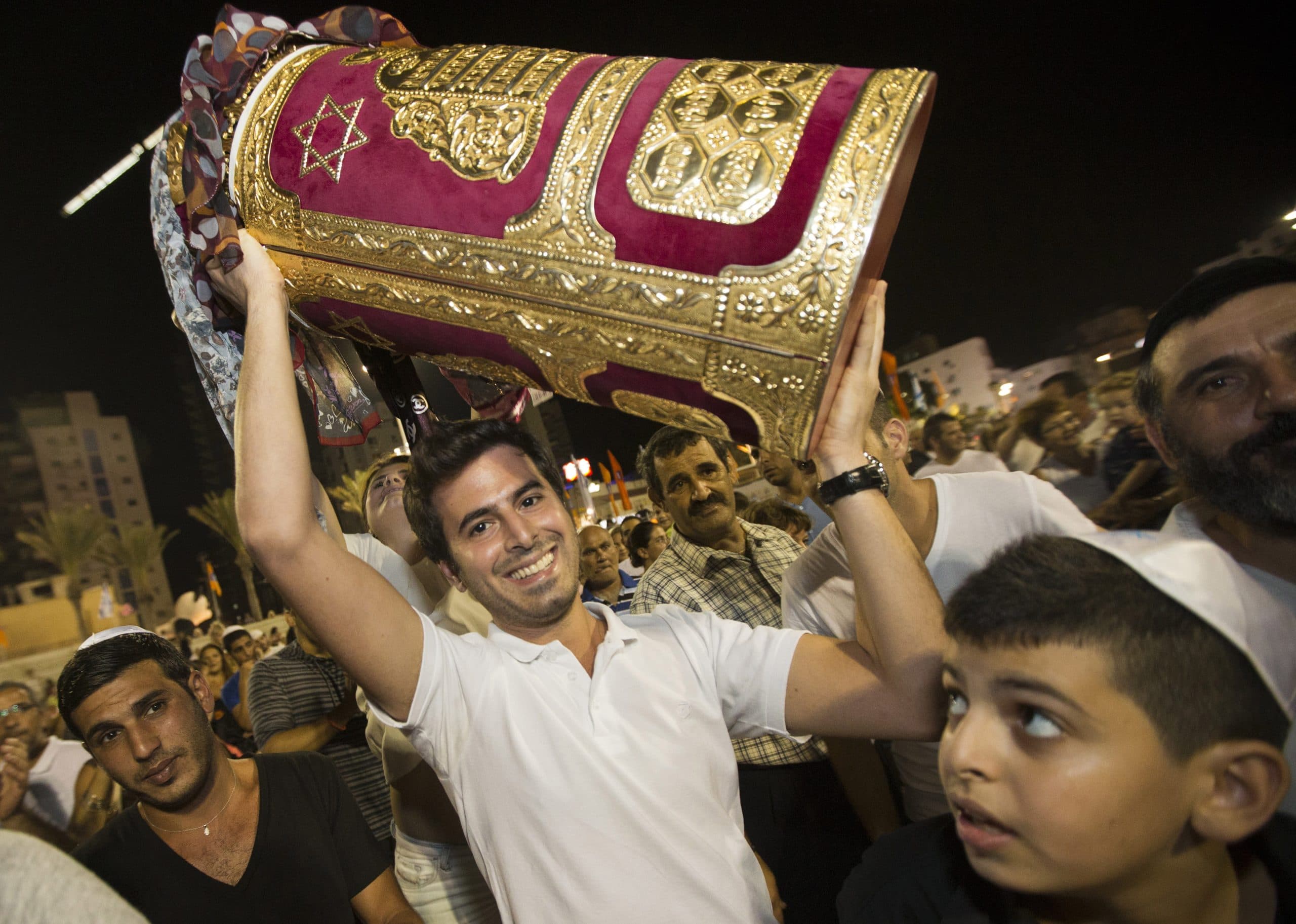
Rabbis in Israel and all over the world are asking themselves: "How will we celebrate Simchat Torah this year?"
On the one hand it is a festival, a day when it is forbidden to give eulogies and to mourn. On the other hand, by the Hebrew date, it is the anniversary of the most tragic attack against humanity since the Holocaust.
Can we dance again? Can we celebrate again? How should we respect the victims?
This conundrum was first discussed over 2,500 years ago when a national tragedy occurred on Rosh Hashanah: the assassination by Jews of the appointed Jewish leader Gedaliah. What did the rabbis do? They created a fast day after Rosh Hashanah, delaying the commemoration until after the festival was complete.
The overriding principle has always been: a Simcha (happy occasion) is a Simcha is a Simcha.
Sadly, in our past, Jews have encountered suffering and bereavement many times on festival days, and so the rabbis have established a number of creative solutions. But the overriding principle has always been: a Simcha (happy occasion) is a Simcha is a Simcha.
My wife Lucy and daughters Maia and Rina were murdered on the first day of Chol Hamoed Pesach. Technically, their Yahrzeit falls each year during the festival. However, I was told that the correct practice is to bring it forward each year by two and half weeks and to commemorate our loss at the end of Adar. On the first Yahrzeit, my kids and I found this to be an inspired solution, because we would be devastated to be mourning while the whole Jewish people were celebrating Pesach.
When the 7th day of Pesach fell a few days after we had buried Lucy, Maia and Rina, and the shiva was postponed until after the festival, I found myself in shul. The chazan started to recite the festive Hallel prayer, which is usually sung with joyful tunes. Since the whole community had just attended two funerals for my family, the mood was subdued and the Chazan began to recite the Hallel quietly without song. I rose and whispered in his ear: “Please sing!" Because a Simcha is a Simcha is a Simcha.




Comments
No comments on this article yet. Be the first to add your thoughts.