Published: 9 September 2026
Last updated: 9 September 2026
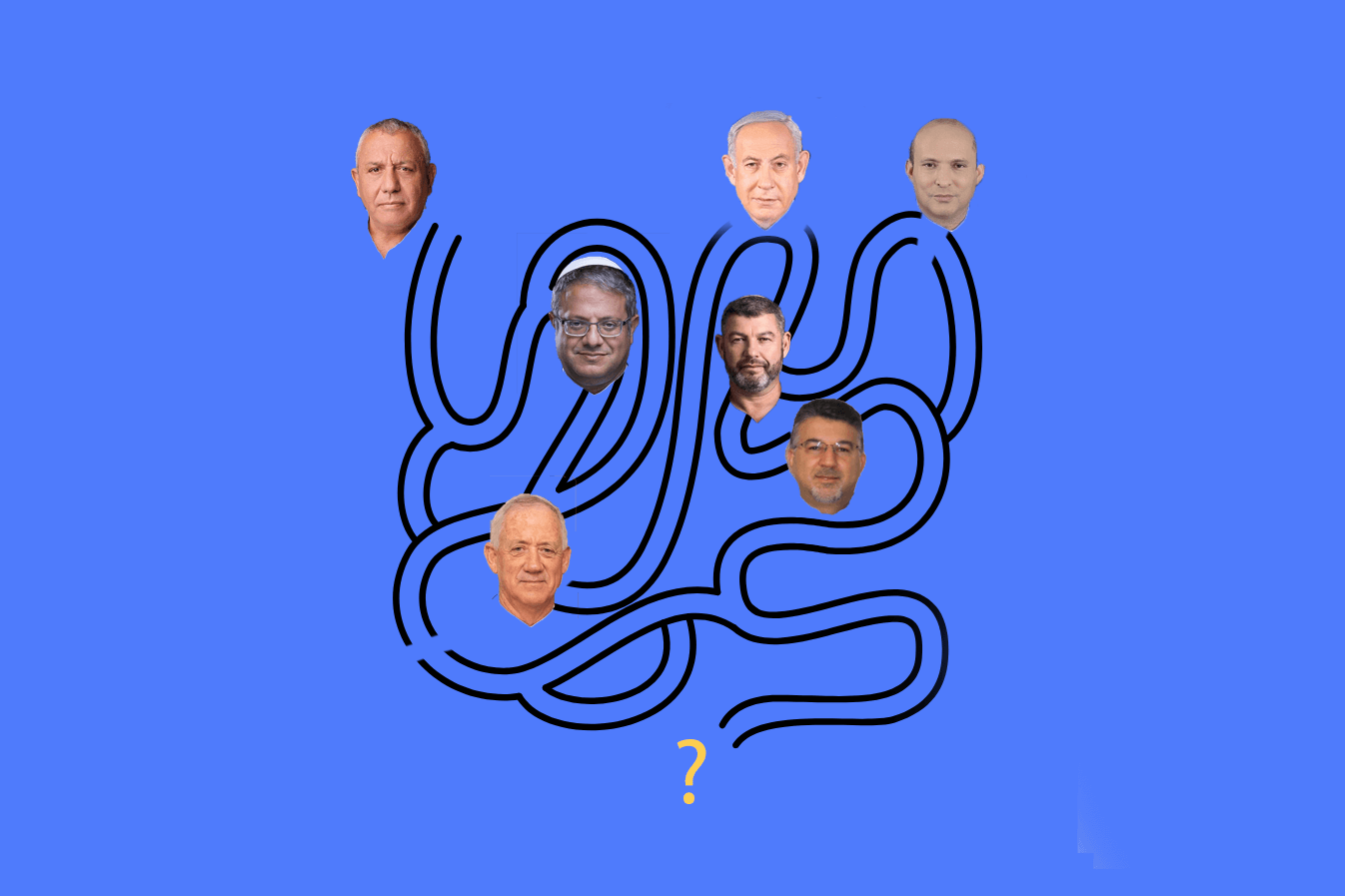
October 7 is Benjamin Netanyahu’s greatest political vulnerability. His conduct before and during the attack presents his opponents with a powerful election argument: Netanyahu led Israel while Hamas prepared its assault, ignored warnings about the consequences of Israel’s internal divisions and then presided over the country’s worst security failure.
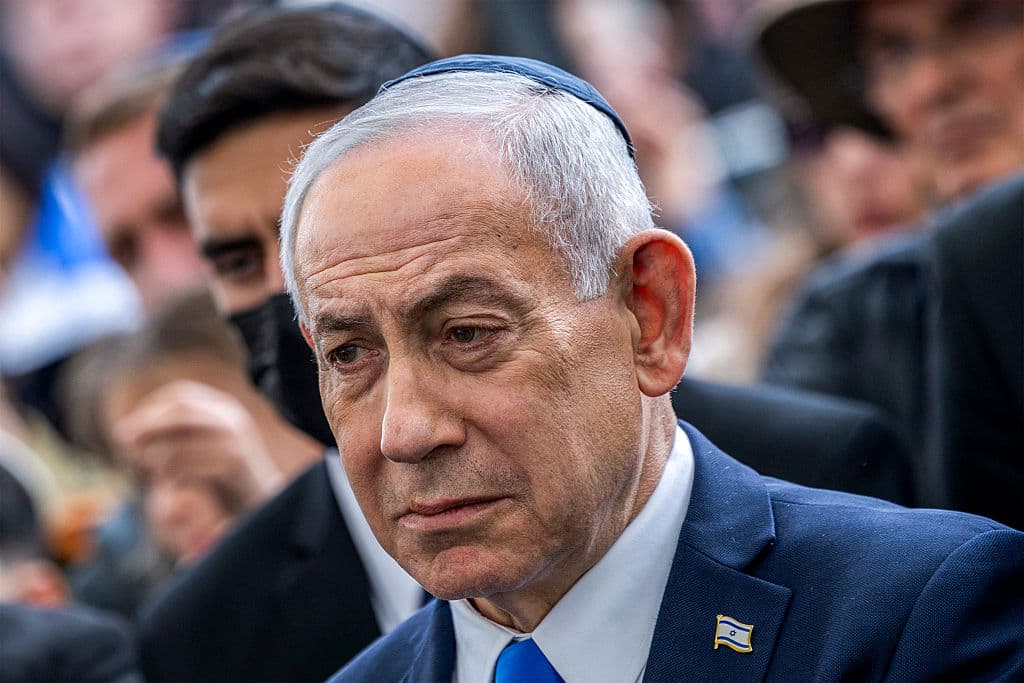
That vulnerability has deepened following a major new report by Haaretz that Netanyahu received a personal warning from United Arab Emirates President Mohammed bin Zayed about 10 days before the massacre. According to the report, bin Zayed told Netanyahu that Hamas was preparing a major operation that could cause extensive bloodshed and destabilise the region. Netanyahu allegedly dismissed the warning, failed to pass it to Israel’s security chiefs and took no action. The Prime Minister’s Office has called the report “a total lie” and denies that the conversation occurred.
The revelation, based on close anonymous sources, is politically explosive. Netanyahu’s emerging defence is built around the claim that the security establishment kept him in the dark. The Haaretz report suggests the opposite: that Netanyahu personally received significant information and failed to share it with the officials he now accuses of withholding warnings from him.
For nearly two years, Netanyahu and Likud have been preparing their response. Rather than simply arguing that the military and intelligence agencies failed, they have cultivated conspiracy theories that shift responsibility to “the generals”, the security establishment and the so-called “deep state”.